
The Smallest Parts of Life
The plant cell is very tiny. You cannot see it with eyes. It is a single cell unit. Every living plant has many cells. The cell is the basic unit here. These units build the whole plant. They work together in a team. This team makes the plant tissue. Each part has a special job. They keep the plant alive and well.
How Plants Are Built
Every mature plant has many cells. A mature plant cell is strong. It helps the plant stand up. Cells of plants come in shapes. Cells are usually square or long. The plant cell structure is very neat. It looks like a small box. The box holds everything inside safely. This structure is very important for life. It helps the plant grow very tall.
Meet the Strong Cell Wall
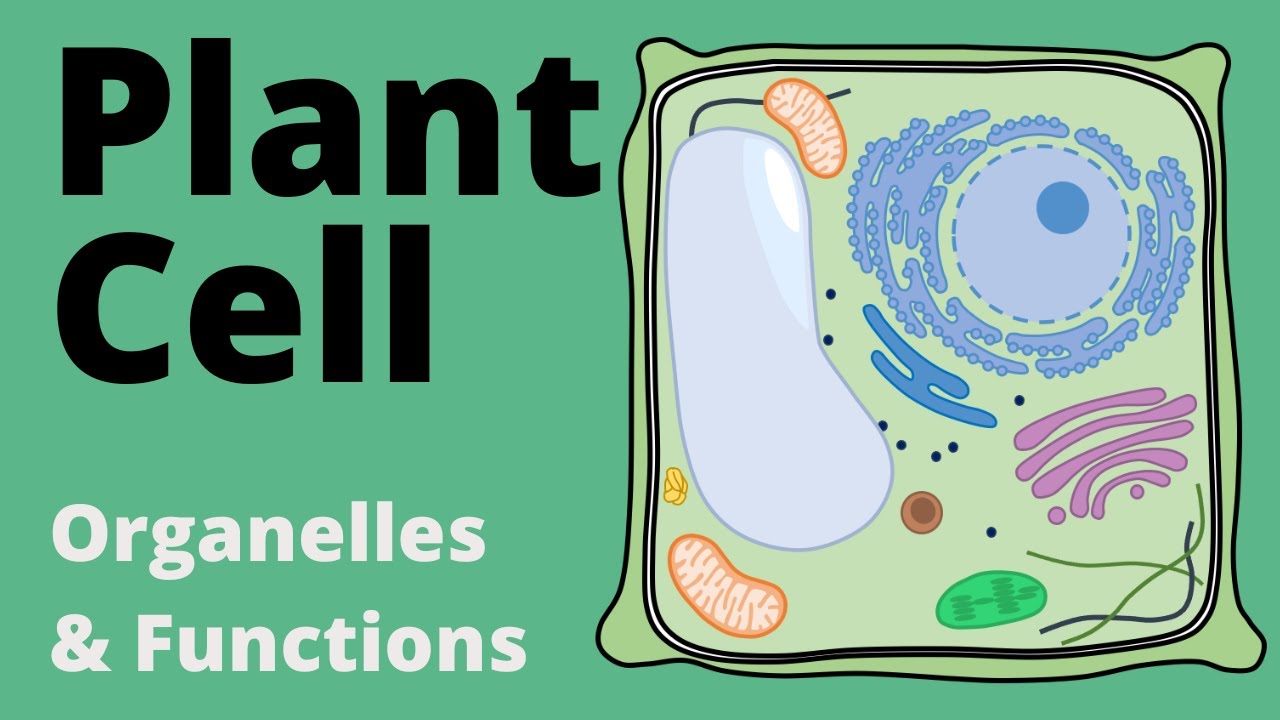
The cell wall is very tough. It surrounds the cell like armor. This rigid cell wall is strong. It is the wall surrounding the cell. The plant cell wall provides support. It is within the cell wall parts. The wall is a rigid cell part. It stays outside the inner parts. This wall protects the soft parts. It makes the plant stay stiff.
What Makes the Wall Strong
The cell wall is composed well. It is composed of cellulose fibers mostly. Cellulose is like a strong string. The wall is composed of several layers. It has a primary cell wall first. Then it gets a secondary wall later. The primary wall is very flexible. The secondary cell wall is very hard. Lignin makes the wall even tougher. This helps the plant stay upright.
The Magic of Photosynthesis
Plants make food using light energy. They get energy from the sun. This process is called photosynthesis. The cell that contains green parts. It takes in carbon dioxide gas. Then it makes a sweet sugar. This sugar is food for plants. It gives them chemical energy too. This helps the plant grow bigger. Plants are amazing photosynthetic living things.
Inside the Green Chloroplast
The chloroplast is a tiny factory. It is a special green organelle. Chloroplasts contain a green color. This color is the chlorophyll pigment. It is a very important pigment chlorophyll. This pigment catches the bright sun. It turns light into food fast. A plant cell has many chloroplasts. They are only in green parts. They are absent in animal cells always.
The Brain of the Cell: The Nucleus
The nucleus is like a boss. It is a membrane-bound organelle. The nucleus holds the genome inside. This genome is the plant’s map. It has all the nucleic acids. These acids tell the cell what to do. A transcription factor helps the DNA. It controls how the cell grows. The nucleus stays in the middle. It keeps the cell running smoothly.
The Jelly-Like Cytoplasm
The cytoplasm fills the whole cell. It is a thick watery jelly. The cytosol is the liquid part. Everything floats inside this thick jelly. Every organelle has its own spot. They stay inside the cell walls. The jelly protects the tiny parts. It helps things move around easily. The cell stays full and round. It is a very busy place.
The Large Central Vacuole
The large central vacuole is big. It is a very large vacuole indeed. This part stores a lot of water. It also stores the cell sap inside. The sap is full of nutrients. The tonoplast is the vacuole’s skin. It keeps the sap inside safely. The vacuole pushes against the wall. This makes the plant stay firm. It is like a big balloon.
Understanding Turgor Pressure
Water makes the plant stand tall. This is called turgor pressure now. The water fills the big vacuole. It allows plant cells to stretch. The pressure keeps the cell stiff. Without water, the plant will wilt. The cell stays very firm today. This pressure is good for plants. It helps the mature plant stay. Water is vital for this pressure.
The Thin Cell Membrane
The cell membrane is very thin. It is outside the cell membrane space. This membrane controls what goes in. It sits surface of the cell area. The membrane is like a gate. The membrane is soft and wiggly. It stays under the hard wall.
Comparing Plants and Animals
Animal cells are very different things. They are like animal cells mostly. But plants have a cell wall. Animals do not have a wall. Plants have chloroplasts for food making. Found in animal cells are mitochondria. Plants have a large central vacuole. Animals have many small ones instead. Both have a nucleus and jelly. They are both very complex cells.
Different Types of Plant Cells
There are many types of plant cells. Each cell type has a job. Types of cells work together now. The types of plant cells vary. They have different shapes and sizes. This variety helps the whole plant.
-
Parenchyma Cells: Soft and thin. They store food and water and help the plant heal.
-
Collenchyma Cells: Strong with thick corners. They help the plant bend and provide flexible support.
-
Sclerenchyma Cells: The toughest cells. They have thick secondary walls and act like the plant’s bones.
-
Xylem Cells: Like water pipes. They carry water from the ground up to the leaves.
-
Epidermal Cells: The “skin” of the plant. They are flat and tight to protect the plant.
How New Cells are Made
Cell division makes the plant grow. The cell wall is formed then. A cell plate grows in middle. It splits the cell into two. This is the formation of the cell. New cells are born this way. The plant cells contain the DNA. The DNA is copied very carefully. Both cells get the same map.
The Power of the Mitochondria
Mitochondria are the power houses here. They make energy for the cell. They use the sugar for energy. This is the cell functions part. All plant cells are eukaryotic units. This means they have many parts. The mitochondria work all day long. They never take a break ever.
Studying Plants with Science
Plant science is a great field. People study how plants grow well. They use a big electron microscope. They look at a tiny micrograph. It shows the plant cell clearly. Plant biology helps us understand life. Scientists use the plant Arabidopsis as a model because it has a small genome and grows fast.
Why Plant Cells Matter
Plant cells are the start. Without them, we could not live. They are the base of life. Every tree is made of them. Every flower is made of them. They make the world very green. They give us clean air and good food. We should study and protect them. They are the foundation of life.