
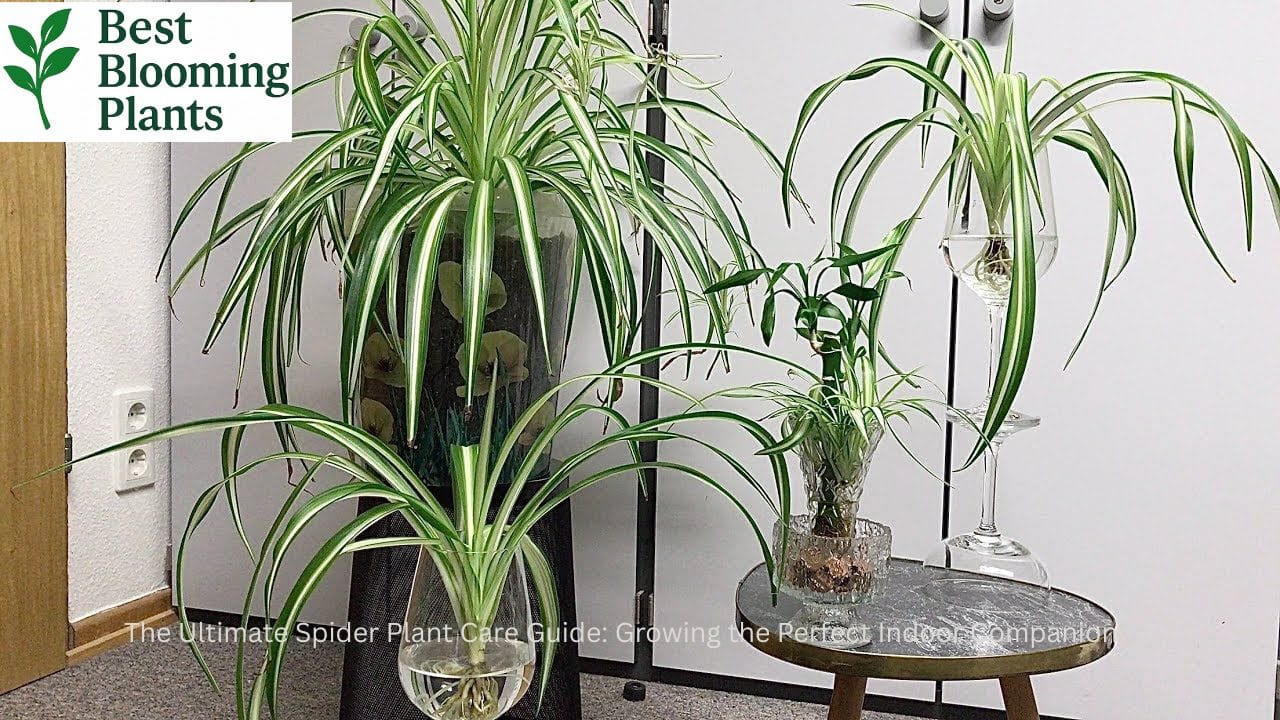

The Spider Plant (Chlorophytum comosum) is a timeless classic in the world of indoor gardening. Known for its arching, ribbon-like leaves and its incredible ability to survive even the most forgetful gardeners, it is a must-have for any home.
Why Every Home Needs a Spider Plant
Aside from its beauty, the Spider Plant is a powerhouse of benefits:
-
Natural Air Purifier: According to NASA studies, it removes toxins like formaldehyde and xylene from your indoor air.
-
Safe for Pets: Unlike many other popular plants, the Spider Plant is non-toxic to cats and dogs.
-
Easy to Multiply: It produces “spiderettes” (baby plants) that you can easily pot and give to friends as gifts.
Expert Care Tips for a Thriving Spider Plant
1. Light Requirements
Spider plants are not too picky, but they prefer bright, indirect sunlight.
-
The Best Spot: Near a window with a sheer curtain.
-
Avoid: Direct afternoon sun, which can bleach and burn the leaves.
2. Watering Schedule
The key to a happy Spider Plant is consistent moisture, but never soggy soil.
-
How to Water: Water when the top inch of the soil feels dry.
-
Water Quality: If you notice brown tips, your plant might be sensitive to the fluoride in tap water. Try using filtered water or rainwater.
3. Soil and Potting
Use a well-draining potting mix. Spider plants grow thick, fleshy roots, so if you see roots popping out of the drainage holes, it’s time to move it to a larger pot (usually every 1-2 years).
How to Propagate Spider Plant Babies
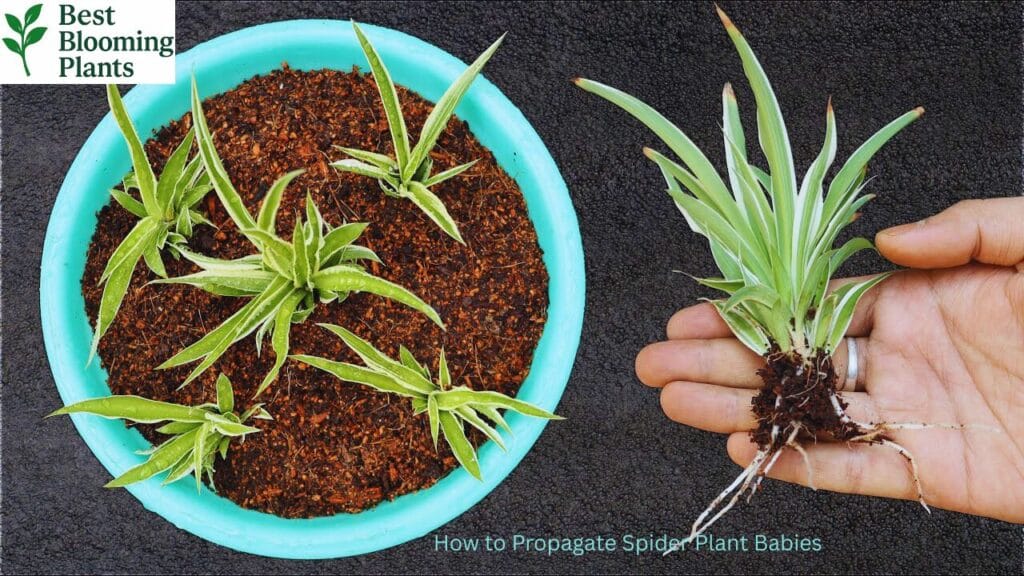
This is the most fun part! Once your plant matures, it will grow long stems with tiny baby plants at the ends.
-
Method 1 (Water): Snip the baby plant and place its base in a small glass of water. Wait for roots to reach 1-2 inches, then pot in soil.
-
Method 2 (Soil): Simply tuck the baby plant’s bottom into a small pot of moist soil while it’s still attached to the mother. Once it grows roots, cut the connecting stem.
Common Troubleshooting Tips
-
Yellow Leaves: Usually a sign of overwatering. Let the soil dry out completely.
-
Pale Leaves: Your plant might need a bit more indirect light or a little liquid fertilizer during the spring.
-
Brown Tips: Increase humidity by misting the leaves or switching to filtered water.
Conclusion: Start Your Indoor Jungle Today!
The Spider Plant is more than just a decorative piece; it is a resilient, air-purifying, and pet-friendly companion that brings life to any room. Whether you are a beginner looking for your first plant or an expert gardener adding to your collection, its easy-care nature makes it an unbeatable choice.
By following the simple tips on light, watering, and propagation mentioned above, you can enjoy a lush, green Spider Plant for many years. Don’t forget to share the “spiderettes” with your loved ones to spread the joy of gardening!


Pingback: Aloe Vera Care Guide: How to Grow the Miracle Plant at Home