
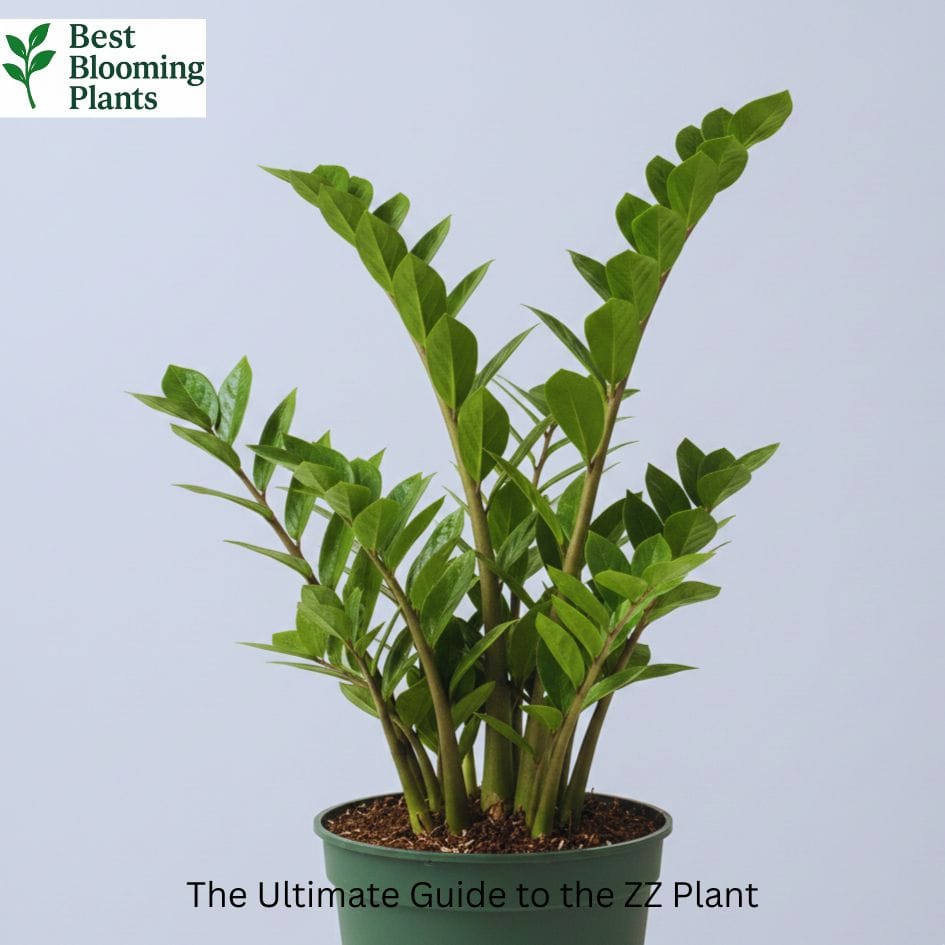

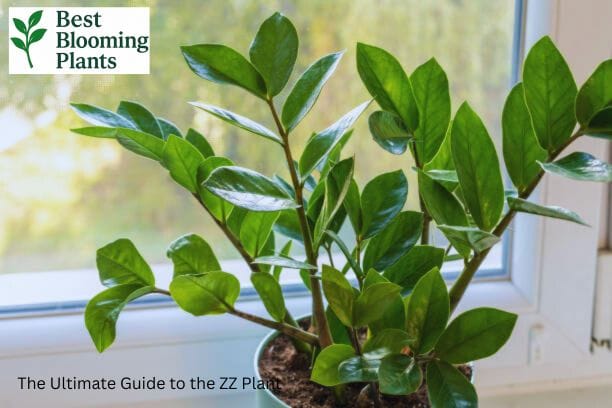
The ZZ plant, scientifically known as Zamioculcas zamiifolia, has earned its reputation as one of the toughest houseplants in the world. Often called the “King of Indoor Plants,” it is the go-to choice for beginners, busy professionals, and even those who claim they lack a “green thumb.”
In this comprehensive guide, we will dive deep into everything you need to know about caring for, growing, and troubleshooting your ZZ plant to ensure it thrives for years.
Why the ZZ Plant is So Popular
Native to drought-prone regions of East Africa, the ZZ plant has evolved to survive in extreme conditions. Its thick, waxy, emerald-green leaves are not just for show—they are designed to store water. Below the soil, the plant has potato-like structures called rhizomes, which act as water reservoirs.
Key Benefits:
-
Low Light Tolerant: It can thrive in offices and hallways where other plants would struggle.
-
Air Purifying: Like many indoor plants, it helps filter common household toxins.
-
Low Maintenance: You can literally forget to water it for 3 weeks, and it will still look stunning.
ZZ Plant Care: The Essentials

To keep your ZZ plant looking its best, follow these expert-recommended care tips:
1. Light Requirements
While the ZZ plant is famous for being a “low-light” plant, it actually grows fastest in bright, indirect light.
-
Ideal Spot: Near an east or north-facing window.
-
What to Avoid: Keep it out of direct afternoon sunlight, as the harsh rays can scorch and burn the leaves.
2. The Golden Rule of Watering
If there is one way to kill a ZZ plant, it’s overwatering. Because of its rhizomes, this plant prefers its soil to dry out completely between waterings.
-
Frequency: Water every 2–3 weeks in summer and once a month in winter.
-
Expert Tip: Always “finger-test” the soil. If the top 2 inches feel dry, it’s time for a drink. If in doubt, wait another few days.
3. Soil and Potting
Good drainage is non-negotiable. Use a well-draining potting mix (a standard indoor potting soil mixed with perlite or cactus mix works great). Ensure your pot has drainage holes at the bottom to prevent water from sitting at the roots.
Common Problems and How to Fix Them
Even though it’s a hardy plant, you might encounter a few issues. Here is how to troubleshoot them:
-
Yellow Leaves: This is the most common sign of overwatering. Stop watering immediately and let the soil dry out. If the stem feels mushy, you may need to check for root rot.
-
Leaning Stems: Your plant is likely “reaching” for the light. Move it to a slightly brighter spot or rotate the pot every few weeks so all sides get equal exposure.
-
Brown Tips: Usually caused by extremely dry air or using water with too many chemicals. Try using filtered water or misting the plant occasionally.
How to Propagate Your ZZ Plant
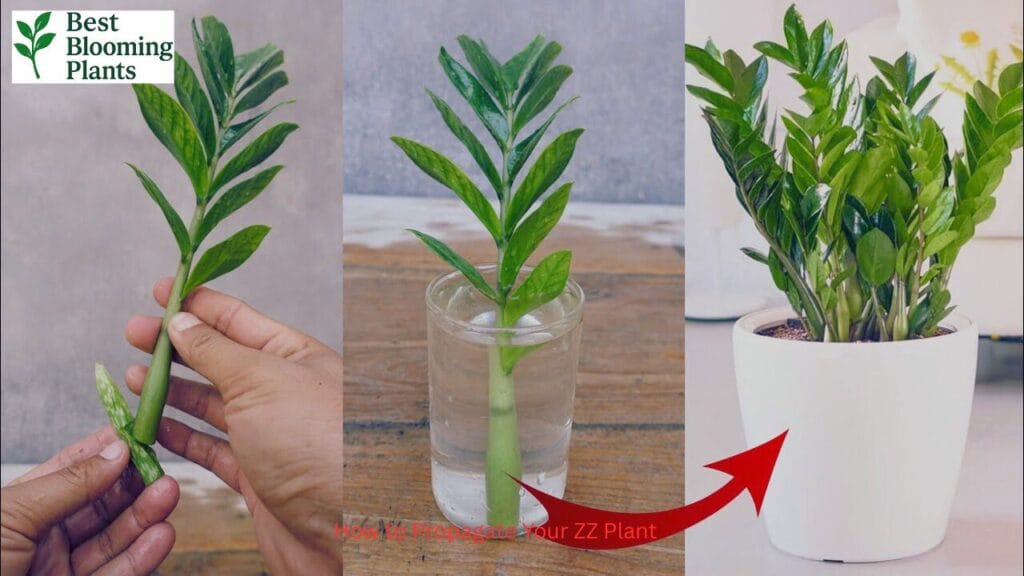
Sharing is caring! You can easily grow new ZZ plants from an existing one using two methods:
-
Division: When repotting, gently separate the rhizomes and plant them in individual pots.
-
Leaf Cuttings: You can place a single leaf in moist soil. While this method takes several months to grow a new bulb, it is a fascinating process to watch.
Final Thoughts: Is the ZZ Plant Right for You?
Whether you live in a low-light apartment or want to add a touch of green to your office desk, the ZZ plant is an unbeatable choice. It is stylish, resilient, and incredibly forgiving.
Safety Note: Keep in mind that ZZ plants are mildly toxic if ingested. It’s best to keep them out of reach of curious pets and small children.



Pingback: The Ultimate Spider Plant Care Guide: Growing the Perfect Indoor Companion
Pingback: Snake Plant Care Guide: Why the Mother-in-Law’s Tongue is the Ultimate Indoor Plant