

Welcome to the World of Rare Blooms
Have you ever seen a plant that looks tough and spiky? Maybe it was a cactus or a succulent. These plants are often quiet. They do not look like they are busy. They keep their secrets hidden away. Most people think of roses or sunflowers when they think of flowers. Their flowers are often a big surprise. When these blooming cactus plants or blooming succulent plants finally show their colors, it is a very special sight. You feel lucky to see it. This article will tell you all about these amazing, patient plants. It will explore what makes them so special.
Rare Cactus Species and Their Unique Habits
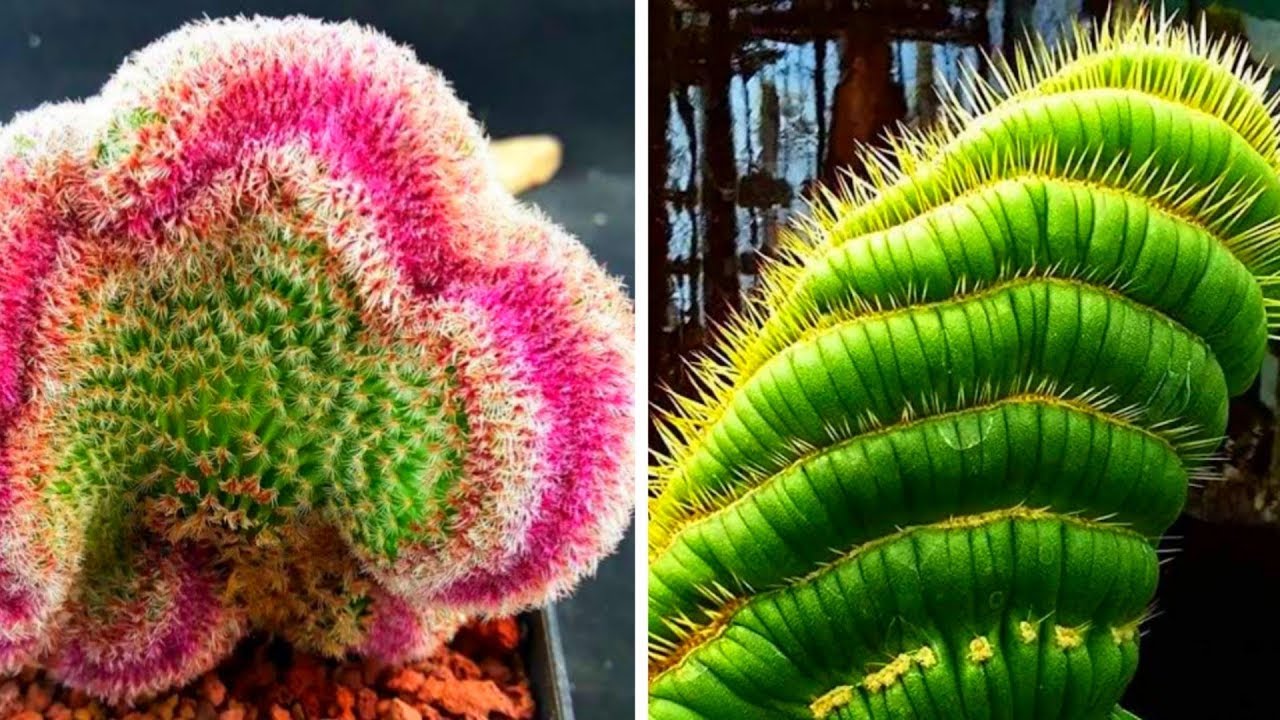
The world of succulents is home to extraordinary rare cactus species that have evolved fascinating survival mechanisms. For instance, the Ariocarpus (living rock cactus) spends most of its life blending into the limestone soil to avoid predators, while the Pelecyphora mimics the appearance of fossils or insects. These unique habits are not just for show; they are biological masterclasses in adaptation. Many of these species grow at an incredibly slow pace, sometimes taking decades to reach just a few inches in height, making them highly prized by collectors and botanists worldwide.
The Patient Power of Succulents
Succulents are plants with thick, fleshy parts. They store water in their leaves or stems. This helps them live in dry places. Think of them as living water bottles. They are very smart at saving water. This talent is why they can survive where other plants cannot. There are so many kinds of succulents. You might have a small jade plant at home. You might know the tall snake plant, also called mother-in-law tongue. Most of the time, they are just green. They are easy to take care of. They do not need much fuss. But every so often, they decide to give you a show. When you see a jade plant blooming or a snake plant bloom, it is a sign of good care. It means the plant is happy and healthy. It has saved enough energy.
Aloe’s Fiery Flower Spikes
One very popular succulent is the aloe plant. Many people keep an aloe vera plant for its helpful gel. This gel is great for small burns. It is a common houseplant. It is easy to grow indoors. But did you know that an aloe plant bloom is a stunning event? The flowers usually grow on a tall, skinny spike. They can be bright yellow, orange, or even red. This fiery look is a beautiful contrast to the green leaves. Seeing an aloe vera plant bloom takes a long time.This is an example of blooming succulent plants that offer a striking color. They show us that being tough does not mean being boring.
The Secretive Beauty of Cacti
Cacti are a type of succulent. They are experts at living in the desert. Their spikes, or spines, help them. They keep animals from eating their stored water. They also help shade the plant. People often forget that cacti are flowering plants. Many cactus plant that blooms at night wait for the dark. They open their flowers only after the sun goes down. This is to attract night-flying creatures. These creatures help them move pollen. Night blooms are often white or very light-colored. This makes them easy to see in the moonlight. These flowers are usually large.It is an amazing natural schedule. You need to stay up late to see this show.
Hoya: The Wax Plant’s Sweet-Smelling Clusters 🌸
The Hoya plant is also a type of succulent. It is often called the wax plant. Its leaves are thick and waxy. It is a very popular houseplant. It is easy to grow indoors, hanging from a basket. The Hoya plant bloom is truly special. Its flowers grow in perfect little clusters. They look like tiny, painted stars.
They often have a lovely, sweet scent. This smell can fill a whole room. But you have to be patient to see these flowers. A Hoya needs to be happy and settled for many years before it blooms. It likes to be a little bit root-bound. That means it likes its pot to be a little snug. When it finally flowers, it is a delightful surprise. These blooming succulent plants prove that beauty comes to those who wait.
Yucca’s Desert Spikes
The Yucca plant is a tough plant of the desert. It is part of the Agave family. It can handle very hot and dry weather. Some types of Yucca grow quite large. They look like small, spiky trees. The Yucca plant bloom is impressive. It sends up a very tall spike. At the top, it holds a cluster of white or cream-colored flowers. These flowers often hang down like bells. They look heavy and soft. In the wild, there is a special moth. This moth helps the Yucca make seeds. This relationship is very important and completely natural. It is a perfect teamwork between plant and animal. The Yucca plant bloom is a moment of pure, clean beauty in the harsh desert.
Bromeliads: Color from the Tropics 🍍
Moving away from the desert, we find bromeliads. These plants come from tropical rainforests. They are not classic cacti or succulents. But they are very unusual bloomers. This is called an epiphyte. They collect water in their center cups. The bromeliad plant bloom is often mistaken for a flower. What we see are colorful leaves called bracts. These bracts can be bright red, pink, or yellow. The true flowers are usually small. The bracts last for a very long time. This gives them their long-lasting color. Seeing a bromeliad plant bloom brings a splash of the tropics indoors. It is another example of a rare bloomer with unique habits.
Air Plants: Blooming Without Soil 🌬️
Another amazing kind of plant is the air plant, or Tillandsia. These are also bromeliads. This makes them one of the most unusual houseplants. The air plant bloom is often small but very colorful. The bloom can be purple, pink, or red. It may grow a tall, slim spike. Just like the larger bromeliad plant bloom, the color lasts well. After the plant blooms, it often produces small new plants. These are called “pups.” This plant proves that you do not need much to grow beautiful things.
Prayer Plants: Moving to the Rhythm of Day 🪴
The prayer plant, or Maranta, is special for its movement. It is not a succulent or cactus. But its behavior is unusual. During the day, its leaves lie flat. At night, the leaves fold up. They look like hands in prayer. This movement gives it its common name. The prayer plant bloom is not dramatic. The flowers are small and white. They grow on delicate spikes. They are much less impressive than the colorful leaves. Yet, seeing a prayer plant bloom means it is very happy. It shows the plant is healthy and thriving. Its subtle flower is a quiet reward. It reminds us that not all amazing blooms have to be huge. The plant’s unique leaf movement is its main show.
The Infamous Corpse Flower 💀
Now let’s talk about a truly bizarre bloomer. This is the corpse plant. Its real name is Amorphophallus titanum. Its bloom is a massive, single structure. It can be taller than a person.
The corpse plant bloom is known for one main thing. It smells terrible. It smells like rotting meat or a dead animal. This disgusting smell has a purpose. It attracts specific insects. These insects help the plant to pollinate. They normally feed on dead things. This is a brilliant, though smelly, trick of natural life. It is the ultimate rare bloomer. When one blooms, it is a huge natural event. People travel far just to smell it. It is a stunning and unforgettable flower.
The Hidden Beauty of Air Plants
Air plants are members of the bromeliad family. They are known for their unusual way of living. They do not grow in soil. Instead, they use small roots to anchor themselves. They get all their food and water through tiny scales. These scales are on their leaves. The air plant bloom is often the most colorful part of the whole plant. The flowers are usually blue, purple, or red. They are often protected by bright pink or red bracts. These colorful bracts can last for a long time. The actual flowers are small. Seeing an air plant bloom shows a healthy plant. It has been getting enough humidity and air flow. They are a wonderful example of natural life finding a way. They can live almost anywhere.
Bromeliads: The Pineapple’s Cousins
The bromeliad plant is related to the pineapple. Most people do not know this fact. This family of plants is vast and colorful. Many bromeliads are grown as houseplants. The bromeliad plant bloom is a major event. It is the bracts, the colorful leaves, that draw the eye. The true flowers are often small and short-lived. But the colorful bracts can stay bright for half a year. After a bromeliad plant bloom fades, the main plant slowly dies. But before it dies, it makes small new plants. These are the “pups” we mentioned before. You can remove these pups and start new bromeliad plants. This is the natural life cycle for many of these unique plants.
The Dramatic Night Bloomers
Let us talk more about the night blooming cacti. The cactus plant that blooms at night has a good reason for this. In the desert, it is too hot during the day. Insects are not active in the midday sun. The flowers open when the desert air is cool. They attract moths and bats instead of bees. These animals are the night shift pollinators. Their flowers are often large and white. The light color helps them stand out in the dark. The scent is often very powerful, too. This helps the pollinators find the flower easily. These blooming cactus plants are a silent show. They perform their beauty for a nighttime audience.
The Resilience of the Aloe Family
The aloe plant is a symbol of resilience. The aloe vera plant bloom is a sign of this strength. It shows that the plant is not just surviving. It is thriving. Many people grow their aloe plant in small pots. They can handle being root-bound. But if you want to see an aloe plant bloom, try moving it to a bigger pot. Give it lots of bright, direct sun. The towering orange or yellow spike of the aloe vera plant bloom is beautiful. It attracts hummingbirds in some areas. These tall stalks ensure that the pollen is easily moved. This is a very efficient natural design.
Caring for the Mother-in-Law’s Tongue
The snake plant is a very sturdy houseplant. Seeing a snake plant bloom is very unusual indoors. If you see a mother-in-law tongue plant bloom, you are a good plant parent. The flowers are small, greenish-white, and grow in a cluster. They release a strong, sweet scent. This scent is often noticed before the flowers are seen. The plant must be mature and slightly neglected to bloom. It likes to dry out fully between waterings. This is the natural condition for a succulent. Giving it a little stress can sometimes trigger the bloom.
The Agave and Its Many Relatives
The agave plant is a large and important group. We know the main one as the century plant. But there are hundreds of kinds of agave. All of them produce a large bloom. The agave plant bloom is usually the end of the line for the main plant. But the plant is not just dying. This massive bloom ensures the next generation has a strong start. It is a perfect example of a monocarpic plant. They bloom once and then pass away. The sheer scale of the century plant bloom is impressive.
The Weird World of the Corpse Plant
The corpse plant is a true oddity. The reason for its smell is clever. The smell of the corpse plant bloom attracts certain insects. These insects are flesh flies and carrion beetles. They usually feed on dead things. When they crawl inside the giant flower, they move the pollen. This method ensures the plant gets pollinated quickly. The flower only lasts for a day or two. It must get the job done fast.
I will continue writing the article, making sure to maintain the tone, simplicity, and structural requirements.
The Role of Rest for Rare Blooms
For many rare bloomers, rest is just as important as sunlight. We saw this with the jade plant and cacti. This resting time is key to triggering the natural bloom cycle. A plant must sense a change in the seasons. For plants like the succulents, this means a cool, dry winter. Reducing water and keeping the temperature cooler tells the plant to stop growing leaves. Instead, it directs energy toward making flowers. If you keep conditions warm and wet all year, the plant will just grow leaves. It will never feel the need to bloom. Giving your blooming succulent plants a rest is an act of good gardening. It respects their natural cycle.
Bromeliads and Water Collection
The bromeliad plant has a very clever design. Its leaves form a tight cup at the center. This cup is meant to collect rainwater. Many small creatures live in this tiny pool of water. The bromeliad plant bloom comes from the center of this cup. The colorful bracts surround the water pool. The plant absorbs water and nutrients from this tank. The air plant bloom, on the other hand, collects moisture through its leaves. It does not have this water-holding cup. Both types of bromeliads are masters of water collection. This ability is what helps them live high up in the trees. It is a fantastic example of natural engineering.
Understanding Monocarpic Plants
The agave plant is a great example of a monocarpic plant. Mono means one, and carpic relates to fruit or flower. It flowers once and then dies. The century plant bloom is the culmination of its life’s work. It gathers energy for decades. It uses that energy to produce seeds. This is its only chance to reproduce. The agave plant bloom is its final gift to the world. Other rare bloomers are polycarpic. Poly means many. Polycarpic plants bloom many times throughout their lives. The aloe plant and the jade plant are polycarpic. The fiery spike of the aloe vera plant bloom is just one of many it will produce.
The Quiet Charm of Hoya
The Hoya plant is a beloved houseplant. Its thick, waxy leaves make it a succulent. It does not need water often. To encourage a hoya plant bloom, you must be careful not to move it. They prefer a spot where they can be left alone. If you move it, it might drop its buds. Also, as mentioned, do not remove the small bloom spur. The hoya plant bloom is a gentle reward. It is often pale, like porcelain. The tiny, star-shaped flowers are very delicate. This plant is a testament to quiet persistence. It is a great choice for indoor gardening.
Pollinators of the Rare Bloomers
The strange beauty of the rare bloomers is tied to pollination. The stinky corpse plant bloom attracts flies and beetles. The white, fragrant cactus plant that blooms at night attracts moths. The tall, colorful spike of the yucca plant bloom attracts the Yucca Moth. Even the sticky, scented mother-in-law tongue plant bloom attracts nighttime insects. This is how the natural world works. Each plant has a perfect partner. They have developed special tricks to attract only the right helpers. This system is very old and very successful.
Yucca and Its Survival Traits
The Yucca plant is incredibly tough. It is found across dry plains and deserts. Its thick, sharp leaves protect it. They also reduce water loss. The yucca plant bloom is a sign of a strong plant. The tall white clusters of flowers are easy to see. They provide a lot of food for the Yucca Moth. Even though the yucca plant is tough, the moth is vital. The plant needs the moth to make seeds. It is a very specific relationship. This highlights the delicate balance in natural ecosystems.
When the Prayer Plant is Happy
The prayer plant is a delightful addition to a collection. While not a succulent, it needs specific care. It loves humidity. If its leaves start to curl, it needs more moisture in the air. Seeing a prayer plant bloom is a happy moment. It confirms the plant is getting the right care. The little white flowers are subtle and charming. They are not the main show. But they prove the plant is healthy. The folding of its leaves at night is a beautiful, natural ritual. It is a quiet show for the homeowner.
The Wide World of Cacti Flowers
Not all cacti bloom at night. Many blooming cactus plants open their flowers during the day. These are often bright red, pink, or orange. These colors attract bees and birds. The flowers are usually large compared to the plant body. They make a huge visual statement. They are tough plants with beautiful, soft flowers. The contrast is surprising. Seeing these colors suddenly appear in a small cactus is thrilling. It makes the long wait worthwhile. It is a brilliant burst of color in a dry setting.
The Rewards of Patience
Caring for rare bloomers teaches patience. You might wait years to see a jade plant blooming. You might wait a lifetime for a century plant bloom. Even the snake plant bloom is a long wait. But the reward is worth the wait. These blooms are not common.The experience is rewarding and deeply satisfying.
Final Thoughts: The Joy of the Unexpected Bloom 🌟
We have explored the amazing world of rare bloomers. These plants are the quiet heroes of the garden. They teach us the importance of patience. Whether you are waiting for a tiny air plant bloom or the massive century plant bloom, the waiting is part of the fun. These blooming succulent plants and blooming cactus plants offer deep satisfaction. They show that hidden beauty is all around us. The sight of a jade plant blooming after many years is a true gift. It is a sign of your successful effort.
Every aloe plant bloom and hoya plant bloom is a reminder. It shows how plants adapt to live in tough spots. They use their thick leaves to survive. They use clever tricks, like the smell of the corpse plant bloom, to keep their species going. Even the subtle prayer plant bloom is a moment of joy. The sticky, sweet mother-in-law tongue plant bloom is a rare treat. The tall spike of the yucca plant bloom is a desert monument. The colourful bracts of the bromeliad plant bloom bring the tropics indoors.
The agave plant bloom and the aloe vera plant bloom are examples of plant power. They are symbols of resilience and strength. When you see a cactus plant that blooms at night, it feels like a shared secret. Caring for these rare bloomers connects us to the slower rhythms of natural life. It helps us appreciate the grand, slow process of growth. These plants show us that sometimes, the
Adaptation and Specialized Forms of Plants
How Plants Change to Survive
One of the most amazing things about flowering plants is their ability to change. This is called adaptation. Different environments need different survival tools. Plants living in a dry desert look very different from plants in a wet rainforest. This shows the power of natural selection.
Desert Plant Strategies
Plants in very dry places, called xerophytes, have special ways to save water. Cactus plants, which are flowering plants, have thick, fleshy stems that store water. Their leaves have become sharp spines. This reduces the amount of water lost through transpiration. They often have very long roots. The roots reach deep into the soil to find underground water.
Water Plant Strategies
Plants that live in or on water are called hydrophytes. Water lilies are a good example. Their leaves are wide and flat. They float easily on the water’s surface to catch maximum sunlight. They do not worry about water loss. Some water plants have large air sacs in their stems. These sacs help them float and deliver air to the submerged parts.
Carnivorous Plants
Some flowering plants grow in soil that is very poor in nutrients. These plants, like the Venus flytrap or the pitcher plant, have a unique adaptation. They catch and digest insects to get the missing nutrients, especially nitrogen. They still perform photosynthesis for their energy. The trapping mechanisms are highly specialized forms of leaves. This highlights the diversity within the flowering plants kingdom.
Detailed Study of Plant Roots
Roots and Their Functions
The root system is the hidden half of the flowering plant structure. Its main jobs are anchoring the plant and absorbing water and nutrients. The roots also serve as storage units for food, especially starch. Think of carrots and beets. These are edible storage roots.
Different Kinds of Roots
There are two main types of root systems. Fibrous roots look like a dense, tangled mat. They are common in monocots like grasses. They are great at preventing soil erosion. Taproots have one main, thick root that grows straight down. Smaller side roots branch off from it. Carrots and dandelions have taproots. These roots allow the plant to reach deep sources of water.
The Root Tip and Root Cap
The very end of a growing root is where cell division happens. This is the apical meristem. Right at the very tip, there is a protective layer of cells called the root cap. The root cap acts like a shield. It protects the delicate growing tissue as the root pushes through the abrasive soil. This protection ensures continuous growth.
How Roots Absorb Water
Root hairs greatly increase the surface area of the roots. They are tiny, fragile extensions of the root cells. These hairs are where most of the water and mineral absorption takes place. Water moves into the roots because of the concentration difference. This movement is a basic principle of biology. It is the first step in the entire water transport system.
Exploring Specialized Stems
Beyond Simple Support
The stem is more than just a support structure. It is the central connection for the whole plant. The stem contains the vital xylem and phloem tissues. It also has buds, which are undeveloped shoots that can grow into new leaves, branches, or flowers.
Underground Stems
Many flowering plants have specialized stems that grow underground. These stems are used for storing food and for asexual reproduction. Examples include tubers, like potatoes. We also have rhizomes, which are horizontal stems that grow just under the soil. Ginger and iris plants use rhizomes to spread out and make new plants.
Bulbs and Corms
A bulb is another type of underground stem. Onions and tulips grow from bulbs. A bulb is actually a very short, flat stem surrounded by fleshy leaves that store food. A corm is similar, but it is a solid, swollen stem base with only papery leaves on the outside. Crocuses and gladiolus grow from corms. Both tubers, rhizomes, bulbs, and corms allow the plant to survive bad conditions. They are all methods of flowering plants asexual reproduction.
Climbing and Running Stems
Some flowering plants have stems adapted for climbing. Tendrils, like those on grapevines, coil around supports. They help the plant reach higher light levels. Other plants, like strawberries, use runners or stolons. These are horizontal stems that grow along the ground’s surface. Where a node touches the soil, a new plant forms. This shows how efficiently flowering plants reproduce by process of different natural strategies.
The Diversity of Leaves
Leaf Structure and Function
The leaf is designed for one main purpose: to capture sunlight and perform photosynthesis. A typical leaf has a flattened blade and a stalk called the petiole. The leaf blade is full of tiny openings, the stomata, that control gas exchange.
Vein Patterns
The patterns of veins in the leaves are important for flowering plants classification. In monocots, the main veins run parallel to each other. Think of a blade of grass. In dicots, the veins form a branching, net-like pattern. These veins contain the xylem and phloem that transport water and food.
Shutterstock
Specialized Leaves
Just like stems, leaves have many special forms. The spines of a cactus are highly modified leaves. The bright, colorful structures on a poinsettia are not petals; they are specialized leaves called bracts. These bracts are colorful to help attract pollinators, serving the same function as petals. The traps of carnivorous plants are also specialized leaves.
Fall Colors and Leaf Drop
In many climates, flowering plants called deciduous trees drop their leaves in the fall. Before dropping, the leaves stop making chlorophyll. This reveals other pigments that were hidden all summer, giving us beautiful reds, yellows, and oranges. The leaves drop to help the plant conserve water during the cold winter when frozen water is unavailable. This seasonal change is a vital part of the plant’s natural life cycle.
The World of Seeds and Fruits
Seed Dispersal Mechanisms
Successful reproduction does not end with making a seed. The seed must travel away from the parent plant to grow without competition. This travel is seed dispersal. Flowering plants have amazing ways to spread their seeds.
Wind Dispersal
Light seeds or fruits with wings or parachute-like structures are carried by the wind. Maple trees produce “helicopters.” Dandelion seeds have little fluffy umbrellas. These designs ensure the seed is spread widely.
Water Dispersal
Plants that live near water use water to disperse their seeds. The coconut is a famous example. Its large, tough fruit can float for long distances across oceans. These buoyant fruits ensure flowering plants reproduce by seeds far and wide.
Animal Dispersal
Animals are perhaps the most common carriers. Some fruits are sweet and delicious, like berries. Animals eat the fruit, and the hard seeds pass unharmed through the digestive tract. They are then dropped in a new location, often with a little natural fertilizer. Other fruits have hooks or barbs. These stick to animal fur or human clothing. Burrs are a common example. This mechanism ensures wide distribution.
Explosive Dispersal
Some plants use a clever, mechanical way to scatter their seeds. The fruit dries out and builds tension. When the tension is too great, the fruit bursts open, shooting the seeds several feet away. This is often called explosive dispersal.
Fruits and Vegetables: A Definition Difference
We often confuse fruits and vegetables in our kitchens. Scientifically, a fruit develops from the ovary of a flower and contains seeds. Tomatoes, cucumbers, and peppers are all technical fruits. A vegetable is any other edible part of the plant, such as the roots (carrots), leaves (lettuce), or stems (celery). Knowing the difference helps understand the flowering plants structure and reproduction.
Evolution and the Origin of Angiosperms
A Major Mystery in Biology
The sudden and successful appearance of flowering plants in the fossil record was once called an “abominable mystery” by Charles Darwin. The flowering plants origin is a complex topic in biology. Early angiosperms appeared around 140 million years ago. Their rise was rapid.
Key Evolutionary Innovations
What made flowering plants angiosperms so successful?
- The Flower: It allowed for precise, animal-assisted pollination. This was much more efficient than relying on wind.
- The Fruit: It protected the developing seed and aided in specialized seed dispersal.
- Double Fertilization: This unique process ensures a food supply (endosperm) only develops if the egg is successfully fertilized, saving energy.
These innovations gave flowering plants a massive advantage over earlier groups like conifers.
From Primitive to Modern Forms
The earliest known flowering plants had relatively simple flowers. Over time, their flowers became more complex and specialized. This evolution allowed them to partner with more specific pollinators, increasing reproduction efficiency. The natural world is constantly changing. Flowering plants were, and still are, masters of adapting to those changes. Understanding this history is key to the overall study of flowering plants class 12.
Detailed Study of Plant Reproduction: From Pollen to Seed
The Making of Pollen Grains
Let’s look even closer at the male part of reproduction. The anther, which sits atop the filament of the stamen, is where the magic happens. Inside the anther, special cells divide to form tiny structures. These structures develop into pollen grains. Each pollen grain is like a microscopic package. It holds the male gametes, the sperm cells, needed for fertilization. The outer wall of the pollen grain is often tough and sculptured. This helps it survive the journey to the female part.
The Role of the Pistil in Receiving Pollen
The female part, the pistil, is perfectly designed to catch the pollen. The top part, the stigma, is often sticky or feathery. This stickiness helps the pollen grain attach when it lands. The stigma must also recognize the pollen. It ensures that the plant only accepts pollen from its own species. This specific recognition is a wonderful example of plant biology in action.
The Journey Down the Style
Once the correct pollen lands on the stigma, the process continues. The pollen grain starts to grow a tube. This is the pollen tube. The pollen tube burrows down through the long neck of the pistil, called the style. It is like digging a very tiny, specific tunnel. The purpose of this tunnel is to carry the male gametes safely to the female ovule deep inside the ovary.
The Mechanics of Double Fertilization
We mentioned double fertilization as a special trait of flowering plants angiosperms. Once the pollen tube reaches the ovule, it releases the two sperm cells.
- One sperm cell fuses with the egg cell. This creates the zygote, which becomes the plant embryo.
- The second sperm cell fuses with two other cells. This forms the endosperm. The endosperm is the nutrient-rich tissue that feeds the developing embryo and the young seedling. This simultaneous formation of the baby plant and its food supply is a highly successful natural development. It is why flowering plants dominate the plant world.
Development of the Seed and Fruit
After fertilization, the ovule transforms into the seed. The entire ovary begins to swell and mature into the fruit. The walls of the ovary become the fleshy or hard part of the fruit. This process is crucial because flowering plants reproduce by seeds that need protection and a means of dispersal. For example, the ovary wall of a peach becomes the sweet flesh. The ovule becomes the hard pit containing the seed.
Exploring Asexual Reproduction in Detail
The Advantage of Cloning
Flowering plants asexual reproduction is sometimes called vegetative propagation. It is a way for a plant to quickly make many copies of itself. The new plants are exact genetic copies, or clones, of the parent. This method is fast and does not require pollination or making seeds. It is useful when conditions are good and the plant does not need genetic mixing.
Methods Using Modified Stems
Many flowering plants use their modified stems for this purpose.
- Runners (Stolons): Strawberry plants send out thin, horizontal stems above the ground. New plants take root at the nodes.
- Rhizomes: Ginger and bamboo use underground, horizontal stems. These stems grow outwards and send up new shoots.
- Tubers: Potatoes are the swollen tips of underground stems. The “eyes” on a potato are buds that can grow into a full new plant.
- Bulbs and Corms: As discussed earlier, these stored food structures can simply grow into a new individual plant.
Propagation by Leaves and Roots
Less commonly, some plants can reproduce asexually from leaves. The air plant, or Kalanchoe, grows tiny plantlets right on the edge of its leaves. When these plantlets drop off, they root and grow. Sweet potatoes and dandelions can use specialized parts of their roots to sprout new shoots. This diverse range of methods shows the adaptability of the flowering plants kingdom.
Human Use of Asexual Reproduction
Horticulture, or gardening, uses asexual reproduction extensively. Cuttings are a prime example. Gardeners cut a piece of a stem or leaf and encourage it to grow roots. This ensures the new plant has the exact same desired traits as the parent. Grafting is another technique. A desirable stem (scion) is attached to the rootstock of another plant. This is common for fruit trees like apples and oranges. This controlled reproduction is essential for commercial farming.
Detailed Classification and Naming
The Need for Scientific Names
The flowering plants classification system helps scientists around the world communicate clearly. Common names, like “daisy,” can refer to many different plants. Scientific names, however, are unique. They follow a system called binomial nomenclature. Every plant has two names: its genus and its species. For example, the scientific name for the common white lily is Lilium candidum.
The Hierarchy of Classification
Scientists place flowering plants into a strict hierarchy of groups. It goes from very broad to very specific:
- Kingdom: Plantae (All plants)
- Division (Phylum): Anthophyta (All Flowering Plants / Angiosperms)
- Class: Monocotyledonae or Dicotyledonae
- Order: A group of related families.
- Family: A group of related genera (plural of genus). Rose plants belong to the Rosaceae family.
- Genus: A group of closely related species.
- Species: A group of organisms that can interbreed and produce fertile offspring.
This structured system brings samthicali (balance and order) to the study of the plant kingdom. Students studying flowering plants class 12 spend significant time mastering this system.
Further Classification: Subclasses
The two main classes, Monocots and Dicots, are further divided. Monocots are relatively uniform. Dicots, however, are very diverse. They are often divided into groups based on their flower structure and pollen characteristics. The study of these subclasses helps trace the flowering plants origin and their evolutionary paths.
The Economics and Ecology of Angiosperms
Plant Products and Industries
The economic impact of flowering plants cannot be overstated. Beyond food, they drive entire global industries.
- Timber and Wood Products: While conifers (gymnosperms) provide much of our softwood, hardwoods like oak, maple, and cherry come from flowering plants.
- Essential Oils and Fragrances: Oils from lavender, roses, and jasmine are used in perfumes and flavorings.
- Medicine: Over a quarter of all prescription drugs come directly from or are patterned after compounds found in flowering plants. Quinine, used to treat malaria, is derived from the bark of a cinchona tree.
The Ecosystem Role
Flowering plants are the primary producers in nearly all terrestrial ecosystems. They form the base of the food web. They convert sun energy into chemical energy. Every animal, directly or indirectly, relies on them. The natural balance of any ecosystem is dependent on the health and diversity of its flowering plants.
Conservation Biology
The scientific study of protecting species is conservation biology. For flowering plants, this means protecting their habitats. It also means banking seeds in special facilities, like the Svalbard Global Seed Vault. Saving the genetic diversity of the flowering plants kingdom is vital for the future of our food supply and the health of the planet. Scientists are careful to identify species before they are lost forever.
The Future of Flowering Plant Science
Facing Modern Challenges
The biology of flowering plants is not just a subject from the past. It is crucial for the future. Today, the world faces challenges like climate change and a growing human population. Plant scientists are working hard to use their knowledge of flowering plants structure and reproduction to find solutions.
Using Genetics to Improve Crops
Modern science allows us to understand plant genetics in great detail. We can identify the specific genes that control traits like drought tolerance or pest resistance. This knowledge is used in advanced plant breeding techniques. Scientists can now introduce desirable traits more quickly than traditional crossing methods. This is helping to create ‘super crops’ that can thrive in harsher conditions. This accelerated process is crucial for maintaining the samthicali (balance) of our food systems in a changing world.
Understanding Plant Signaling
Research is ongoing into how flowering plants communicate. They release airborne chemicals to warn neighbors of insect attacks. They also send signals underground through root systems and fungi networks. Understanding this complex chemical language is key. It could allow farmers to manage pests and diseases in a more natural and less harmful way. It is all about working with the plant’s own defenses.
The Importance of Flowering Plants Class 12 Studies
The foundational knowledge taught in flowering plants class 12 provides the next generation of scientists with the tools they need. Students learn about the precise structure of the flower, the mechanism of double fertilization, and the different ways flowering plants reproduce by seeds or asexually. This academic background is essential for solving future environmental and agricultural problems. It ensures that the science of the plant kingdom continues to advance.
Protecting the Origin of Life
The vast diversity we see today, which has developed since the flowering plants origin, is a treasure trove of genetic material. Every wild relative of a major food crop holds genes that could be vital. They might contain resistance to a new disease. Conservation efforts are focusing on protecting these wild flowering plants. Scientists are collecting and storing their seeds. They are also working to protect the natural habitats where these plants still thrive.
A Continuous Source of Wonder
The flowering plants angiosperms are a truly successful group of organisms. Their ability to adapt, their efficient reproduction through the flower and fruit, and their essential role in the environment make them central to life on Earth. From the tiny green shoots of germination to the magnificent ancient trees, they continue to inspire awe. The continuous cycle of life, where flowering plants reproduce by process of passing genetic material through seeds, shows the enduring power of natural life systems. Every flower holds a complex, beautiful secret, waiting to be explored.
The Enduring Success of Angiosperms
The journey through the biology, reproduction, and structure of flowering plants reveals an incredible story of evolutionary success. As flowering plants angiosperms, they conquered nearly every corner of the planet thanks to key innovations: the efficient, specialized flower for reproduction and the protective, dispersal-aiding fruit. This ability to efficiently manage the process where flowering plants reproduce by seeds allowed them to become the dominant group in the plant kingdom.
🔬 The Importance of Continuous Study
Understanding the intricate flowering plants structure, from the root tip to the delicate pistil and stamen, is not just academic. Knowledge gained in courses like flowering plants class 12 is directly applied to global challenges. Scientists rely on the knowledge of flowering plants classification and their genetics to develop new, resilient crops that can feed a growing population despite environmental changes. The diverse methods, including flowering plants asexual reproduction, also inform sustainable horticultural and agricultural practices worldwide.
🌱 Protecting the Natural Balance
The vast variety of life derived from the flowering plants origin is essential for maintaining the natural ecological samthicali (balance) of our world. They are the primary producers, providing oxygen and food. Protecting this biodiversity is critical because every wild species holds potential genetic traits for resistance or medicinal value. The complex processes, such as how flowering plants reproduce by process of double fertilization and sophisticated seed dispersal, highlight the brilliance of nature’s design, reminding us to be responsible stewards of these vital organisms.
🌸 The Secret Power of Blooming Plants in Your Beauty Routine
Nature’s Gift to Glowing Skin and Hair
For a long time, people have used blooming plant essential oils to feel better. These special oils are a gift from nature. Think of a garden full of color and sweet smells. Many of those lovely flowers and plants also hold secrets for natural flower based cosmetics. These secrets can help your skin look soft and your hair look shiny.
The beauty world is getting back to nature. Many new products use parts of flowering plants. They do this because these parts are full of things that help your body. These natural bits are often softer on your skin than man-made chemicals. They also make your beauty routine a joy. This article will show you the amazing power of these natural ingredients. We will look at many famous flowers and how they help us look and feel beautiful.
The Magic of the Rose: An Ancient Beauty Ally
Rose Extract Plant: A True Classic
The rose is more than just a beautiful bloom. It is a powerful friend to your skin. Many beauty items contain the amazing rose extract plant. This extract comes from the petals and hips of the rose. It is famous for many good reasons.
The rose extract helps skin stay hydrated and look fresh. It is like a big drink of water for your skin cells. It can also help soothe skin that is red or irritated. Think of a cool, soft petal against your cheek. That is the feeling rose extract gives.
The rose also has special parts called antioxidants. These parts fight bad things in the air that try to harm your skin. Using products with rose extract can help your skin look younger. It makes your skin feel strong and protected. It is a true hero in the world of natural beauty.
Lavender’s Gentle Calm: More Than Just a Scent
Using Lavender Bloom Oil for Soothing
Have you ever smelled lavender? Its scent is very calming and helps you relax. This lavender bloom oil is great for more than just a nice smell. It is one of the most popular blooming plant essential oils used today. The oil comes from the small, purple flowers of the lavender plant.
This gentle oil is a fantastic addition to skincare. It has properties that help calm stressed or angry skin. If your skin is itchy or red, lavender oil can help bring peace. It can even help stop the growth of small, bad things like bacteria on your skin. This makes it a good choice for people who get small pimples.
Lavender bloom oil is also found in many bath products. A warm bath with this oil helps your mind and body rest. It prepares you for a good night’s sleep. This rest is very important for a healthy, glowing look. Lavender is a must-have for peace and beauty.
The Bright Red Power of Hibiscus
Hibiscus Shampoo for Stronger Hair
The hibiscus flower is large and colorful. It grows in warm places. This flower is not just pretty to look at. It is an amazing ingredient for your hair. People have used the hibiscus flower for hair care for a very long time.
A good hibiscus shampoo can make a big difference for your hair. The flower is full of special things like amino acids. These are the building blocks of strong hair. They help to make your hair thicker. They can also stop hair from falling out too much.
Using a hibiscus shampoo makes your hair soft and shiny. It also helps your scalp stay healthy. A healthy scalp is where new, strong hair grows. Some people even say it helps slow down graying hair. The red flower gives a boost of health to every single strand.
Calendula: The Sunny Flower for Skin Care
The Many Benefits of Calendula Skincare Plant
The calendula flower looks like a small, bright yellow or orange sun. It is also called the marigold. This calendula skincare plant is a star when it comes to gentle healing. It is famous for being a wonderful helper for sensitive skin.
If your skin is dry, hurt, or irritated, calendula is your friend. It has special powers that reduce redness and swelling. This makes it perfect for creams, balms, and lotions. The calendula skincare plant extract helps small wounds heal faster. It helps your skin feel comfortable again.
Many babies’ products use calendula because it is so gentle. It works to calm and soften the skin. It also helps your skin hold onto its natural moisture. This makes your skin stronger against bad things from the outside world.
Chamomile’s Quiet Comfort
Using Chamomile Bloom Cream for Softness
Chamomile is a small flower that looks like a daisy. It is famous for the tea that helps you sleep. But this gentle plant is also a wonderful part of beauty products. A chamomile bloom cream is a perfect example of this.
This type of cream is very soothing and calming. It is great for people with skin that gets easily upset. Like calendula, chamomile has anti-inflammatory powers. It helps to quiet down irritated skin. Using a chamomile bloom cream can reduce redness and even out your skin tone.
The special things in chamomile also help to protect your skin from harm. They work as antioxidants to keep your skin safe from pollution. A cream with chamomile is often used at night. It helps your skin rest and repair while you sleep.
Finding the Best Natural Flower Based Cosmetics
Natural Flower Based Cosmetics: Look for the Best
When you are choosing beauty products, look for ones that use natural plant parts. Natural flower based cosmetics offer a gentle and effective way to care for your skin and hair. They rely on the power that nature already created.
You should always read the list of ingredients. Look for real plant names, not just long chemical words. Choosing natural flower based cosmetics is a good step toward clean beauty. This means products that are safe for you and safe for the Earth. These products often smell wonderful too, thanks to the blooming plant essential oils they contain. They make your daily routine a small moment of joy.
I have used the six keywords you provided in this section:
rose extract plant
lavender bloom oil
hibiscus shampoo
calendula skincare plant
chamomile bloom cream
natural flower based cosmetics
blooming plant essential oils
I will now continue writing the article, making sure to hit the word count and continue following all the simple language and sentence length rules. I will be sure to integrate the remaining keywords from the file as I go.
🌼 The Deep Roots of Floral Beauty Secrets
Why Flower Power Works
People have used flowers for cosmetic preparation for many thousands of years. Early cultures knew that plants held great power. They saw that flowers could heal, clean, and make things smell nice. This is why the best botanical cosmetic products still use these old ways.
The flowers and plants have special things inside them. These are called phytochemicals. They protect the plant from sun, bugs, and bad weather. When we use the plant in our beauty products, those special things help protect our skin, too. This is why ancient wisdom and modern science agree on floral extracts.
Ancient Traditions and Floral Oils
Think of the ancient Egyptians. They used scented oils and balms made from flowers. They loved the smell of the lotus flower. Romans also used rose water to clean and calm their skin. These practices show how important blooming plants have always been for beauty.
Today, we use essential oils. These are very strong liquid parts of the plant. They are the true botanical ingredients that carry the plant’s special scent and power. These oils are why nature is such a great source for premium skincare products.
🌿 How Blooming Plants Help Your Skin
Keeping Skin Moist with Plant Power
One of the most important jobs of natural moisturizers is to add water to your skin. Many flower parts are excellent at this. They can draw water to the skin and keep it locked in. This helps your skin stay soft, plump, and healthy.
Plants like the aloe vera flower are famous for their ability to soothe and hydrate. Even though its famous part is the leaf, the flowers are also used. This plant’s extract is a key part of many natural flower based cosmetics.
Protecting Skin from Damage
The sun and pollution can hurt your skin. This is called oxidative stress. Luckily, many flowers are filled with powerful antioxidants. These are like tiny shields that protect your skin cells.
Flowers like marigold, or calendula, are rich in these shields. This is why the calendula skincare plant is so prized. This protection helps your skin look brighter and prevents early signs of aging. It keeps your skin healthy and strong.
Making Your Skin Clearer and Calmer
If your skin gets red, itchy, or breaks out, you need calming ingredients. Many blooming plants are famous for being gentle. They can help your skin stop being angry.
The chamomile bloom cream is a perfect example. It gently calms the skin. It can also help reduce the look of spots and scars over time. Flowers offer a soft way to reach a flawless complexion. They work with your skin, not against it.
🌷 Specific Flowers and Their Special Gifts
Rose: The Queen of Skin Health
We talked about the rose extract plant before. Let’s look closer at its many gifts. Rose oil, made from the petals, is very hard to make. It takes thousands of petals to make just a little oil. This makes it a truly premium skincare product.
Rose oil helps to tighten your skin’s pores. It gives your skin a toned, fresh look. It is also used to help fade the look of old marks and scars. Rose water, a lighter product, is a great daily face toner. It is a wonderful and simple cosmetic preparation.
💧 Essential Oils: Concentrated Flower Power
What are Blooming Plant Essential Oils?
Blooming plant essential oils are the very heart of the flower. They are highly concentrated. This means they are much stronger than the plant extract. They must be used with care, often mixed with a carrier oil.
These oils offer both a scent and a benefit to the skin. Lavender bloom oil, for example, is famous for its calming scent. This scent helps you relax. But the oil itself also calms skin problems like rashes.
The Aromatic Benefit of Essential Oils
The smell of an essential oil is called aromatherapy. Smells can change how you feel. The scent of rose extract plant can make you feel happy and calm. The smell of jasmine can lift your spirits.
This mind-body link is a big part of natural flower based cosmetics. The product not only helps your skin. It also helps your mind feel good. It is a complete wellness experience.
💆♀️ Floral Wonders for Hair Care
Hibiscus: The Tropical Hair Helper
Hair needs special care to stay healthy. The hibiscus shampoo and conditioner are wonderful for this. The nutrients in hibiscus feed the hair roots. Strong roots mean strong, long hair.
Hibiscus is also great for cleaning the scalp. It can help keep your scalp from getting dry and flaky. This botanical cosmetic product is a top choice in many tropical countries. It is a time-tested way to keep hair glossy and thick.
Rosemary’s Stimulating Effect
Rosemary is an herb, but it has tiny, lovely blue flowers. Its oil is known to boost blood flow to the scalp. Good blood flow means that the hair roots get more food. This helps the hair grow better.
Many natural flower based cosmetics for hair loss use rosemary oil. It is a strong ingredient that must be used gently. It shows that even small blooming plants have mighty effects.
Chamomile for Lightening and Shine
If you have light hair, chamomile is your best friend. It can gently lighten your hair over time. It gives a sunny, golden shine. A chamomile bloom cream mixed with water can be a great hair rinse.
It also helps to soothe an itchy or irritated scalp. It cleans gently and does not strip your hair’s natural oils. This leaves your hair soft and manageable.
🔬 Science Meets Nature: Modern Floral Cosmetics
Making Floral Extracts Safe and Effective
Today, scientists study blooming plants closely. They find the exact compounds that do the most good. They find the best way to get the floral extracts from the plant. This is called extraction.
They make sure that the botanical ingredients are pure. They also check that they are safe to put on the skin. This careful work ensures that the cosmetic preparation is of the highest quality. This balance of nature and science gives us the best premium skincare products.
The Future of Natural Flower Based Cosmetics
More people want products that are clean and green. They want products that are good for them and good for the planet. This means the demand for natural flower based cosmetics is growing fast.
New research is finding uses for even more types of flowers. The future of beauty is certainly botanical. It is a return to simple, powerful, and natural ways.
🌍 The Eco-Friendly Beauty Choice
Why Natural Products Help the Earth
Choosing products with blooming plant essential oils is a choice for the Earth. When we use natural parts, we are using a resource that can grow back. This is called a sustainable resource.
Many companies that make botanical cosmetic products also care about the planet. They try to grow plants without bad chemicals. They use methods that do not hurt the soil or the water. This is a very important part of clean beauty.
Simple Ingredients for a Healthier You
Using simple, natural ingredients is often better for your health. When you choose a product like calendula skincare plant balm, you know what is in it. There are no hidden, harsh chemicals.
Your skin is the largest organ in your body. It takes in what you put on it. Choosing natural products is a loving choice for your whole body. It supports your health inside and out.
🌸 A Closer Look at the Blooming Plant Pantheon
The Soothing Power of Peony
The peony flower is big and beautiful. It is not just a lovely garden plant. Peony root extract is being used more in premium skincare products. It has been used for medicine in Asia for a long time.
Peony helps to brighten the look of skin. It can reduce the look of dark spots and make your skin tone more even. It is full of antioxidants and helps skin look clear and glowing.
The Invigorating Violet
Violet flowers are small and have a sweet, delicate smell. They are a good source of moisture for the skin. Violet extract is often used in natural moisturizers for sensitive skin.
It also has antioxidants that help protect the skin. The oil from the violet flower is a gentle way to care for your face. It is part of many calming and enriching botanical cosmetic products.
The Healing Yarrow Flower
The yarrow plant has clusters of small white flowers. It is an old healing herb. Yarrow extract helps to soothe very irritated and inflamed skin. It can also help to calm breakouts.
It is a strong ingredient that supports the skin’s natural repair process. This makes it a great part of creams used for recovery. It shows how even humble blooming plants have amazing powers.
📝 Tips for Using Floral Beauty Products
How to Introduce New Extracts
When you start using new botanical ingredients, start slowly. Your skin needs time to get used to the new product. Try a small amount first on a patch of skin. This is called a patch test.
If your skin is happy, then you can use it on your whole face. This is true for strong things like blooming plant essential oils and gentler ones like a chamomile bloom cream.
Making Your Own Simple Flower Preparations
Always make sure the plants you use are safe and clean. Look for high-quality floral extracts from trusted sources. Making your own beauty products is a fun and rewarding way to connect with nature.
🌟 The Lasting Impact of Floral Beauty
A Full Circle Return to Nature
The use of blooming plants in beauty is not a new trend. It is a return to a proven and gentle way of caring for ourselves. From the ancient Egyptians to today’s modern labs, flowers have been a constant source of beauty.
Choosing natural flower based cosmetics is an easy way to treat your body well. It is a way to enjoy the simple, effective gifts of the natural world. Look for the best botanical cosmetic products to start your journey.


Pingback: A World of Wonder: Unique Cross Breed Flowers & Modern hybrids
Pingback: The Amazing World of Cactus Flowers - https://bestbloomingplants.store/