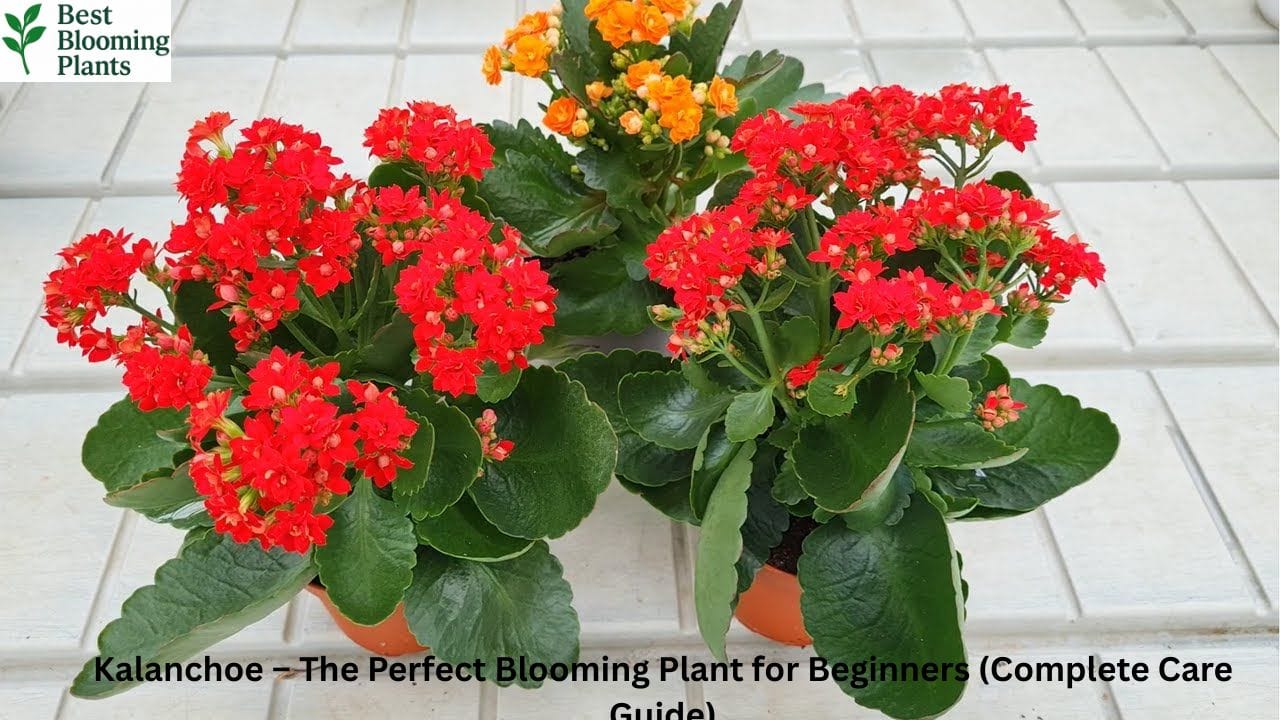

Indoor flowering plants are a great way to bring color and life into your home. Among all indoor plants, Kalanchoe stands out as one of the easiest and most rewarding plants for beginners. With its vibrant flowers and low maintenance needs, Kalanchoe is perfect for apartments, balconies, and living rooms.
This complete guide will help you grow healthy Kalanchoe plants, encourage blooming, and troubleshoot common problems. We will also cover soil, light, watering, temperature, and fertilizing requirements to ensure your plant thrives.
What is Kalanchoe?
Kalanchoe is a succulent plant known for its thick, fleshy leaves and clusters of bright flowers. Its blooms come in red, pink, yellow, orange, and white shades. Because it stores water in its leaves, Kalanchoe can survive periods of drought, making it ideal for beginners.
Kalanchoe is widely grown indoors because it is compact, resilient, and blooms for long periods.
Why Kalanchoe is Perfect for Beginners
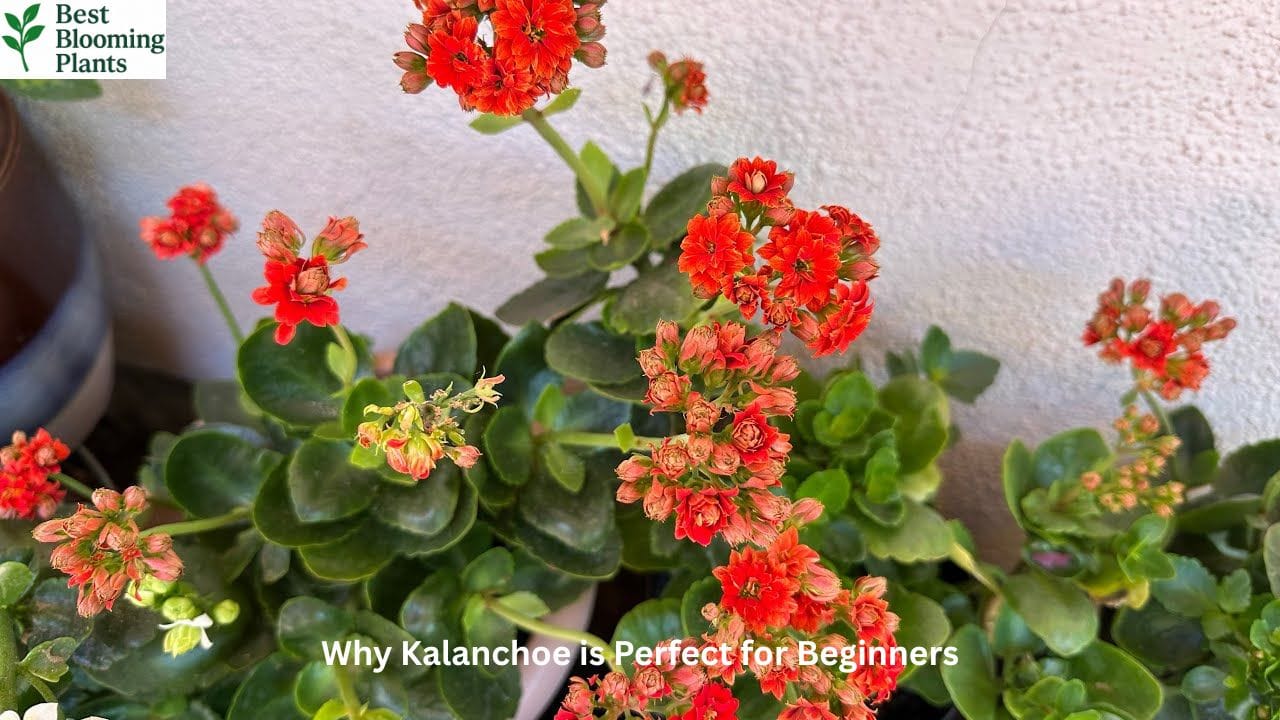
Here’s why this plant is beginner-friendly:
-
Low maintenance and drought-tolerant
-
Long-lasting flowers
-
Requires minimal fertilizer
-
Thrives in indoor conditions with moderate care
-
Resistant to many common indoor plant pests
If you are starting your indoor garden, Kalanchoe is an excellent first choice. You can also explore our guide on Top Blooming Plants for Indoor Spaces for more beginner-friendly options.
Light Requirements
Light is crucial for Kalanchoe to produce blooms.
-
Best light: Bright indirect sunlight for 4–6 hours daily
-
Placement: Near east or south-facing windows
-
Low light effect: Reduced flowering, long stems, pale leaves
-
Too much direct sun: Leaf burn; use filtered light if sunlight is harsh
Tip: Rotate your plant weekly to ensure all sides receive light evenly.
For areas with limited sunlight, check out our article on Blooming Plants That Thrive Under Artificial Light and Hydroponics.
Soil Requirements
Kalanchoe thrives in well-draining soil. Proper soil prevents water from staying near roots, reducing the risk of root rot.
-
Ideal mix: 50% succulent or cactus soil, 25% sand or perlite, 25% compost
-
Key: Light, airy, and fast-draining soil
-
Avoid heavy garden soil as it retains too much moisture
Watering Guide
Kalanchoe needs careful watering for optimal growth.
-
Water only when the top 1–2 inches of soil are dry
-
Typically every 7–10 days, depending on climate
-
Ensure pots have drainage holes
-
Avoid waterlogging, which causes yellow leaves and root rot
Temperature and Humidity
-
Preferred temperature: 18°C to 28°C
-
Humidity: Low to moderate, typical indoor humidity is fine
-
Avoid cold drafts, frost, or proximity to air conditioners
-
Outdoor placement should be partial sun with protection from heavy rain
Fertilizer for More Flowers
To encourage Kalanchoe blooms:
-
Use balanced fertilizer like 10-10-10 once a month
-
During blooming season, switch to phosphorus-rich fertilizer
-
Organic options: Bone meal, banana peel compost, vermicompost
Avoid excessive nitrogen, which encourages leaf growth instead of flowers.
How to Encourage Kalanchoe to Bloom Again
Many beginners discard Kalanchoe after its first flowering. With the right care, it can bloom multiple times a year.
-
Remove faded flowers (deadheading)
-
Slightly reduce watering
-
Provide 12–14 hours of darkness daily for 6 weeks
-
Ensure bright light during the day
This dark-light cycle triggers new buds.
Common Problems and Solutions
| Problem | Cause | Solution |
|---|---|---|
| Yellow leaves | Overwatering | Let soil dry, improve drainage |
| No flowers | Lack of light or too much nitrogen | Increase sunlight, use bloom fertilizer |
| Drooping leaves | Water stress | Adjust watering schedule |
| Leggy stems | Low light | Move closer to light source |
Indoor vs Outdoor Growing
-
Indoor: Needs bright windows, moderate humidity, protection from waterlogging
-
Outdoor: Partial sun, well-draining soil, shield from heavy rain
-
Hot climates: Morning sun works best, afternoon shade
Pruning and Maintenance
-
Trim dead or weak stems
-
Remove faded flowers to promote new blooms
-
Clean leaves to avoid dust accumulation
-
Repot when roots become crowded
Regular pruning encourages more flowering.
Benefits of Growing Kalanchoe
-
Improves indoor air quality
-
Adds color and beauty to small spaces
-
Long-lasting blooms with minimal care
-
Perfect for bedrooms, living rooms, and offices
Frequently Asked Questions (FAQs)
1. How long does Kalanchoe bloom?
6–8 weeks, depending on care.
2. Can Kalanchoe survive in low light?
It can survive but blooms will be limited without bright indirect sunlight.
3. Is Kalanchoe safe for pets?
Some varieties are mildly toxic. Keep away from cats and dogs.
4. How often should I repot it?
Every 1–2 years or when roots outgrow the pot.
5. Can Kalanchoe bloom multiple times a year?
Yes, with proper pruning, light, and fertilizer, it can bloom repeatedly.
Conclusion
Kalanchoe is an excellent flowering plant for beginners due to its low maintenance and vibrant, long-lasting flowers. By providing the right light, soil, water, temperature, and fertilizer, you can enjoy healthy growth and multiple blooming cycles.
Start your indoor garden with Kalanchoe and explore more plants using our Top Blooming Plants for Indoor Spaces and Blooming Plants That Thrive Under Artificial Light and Hydroponics guides.