
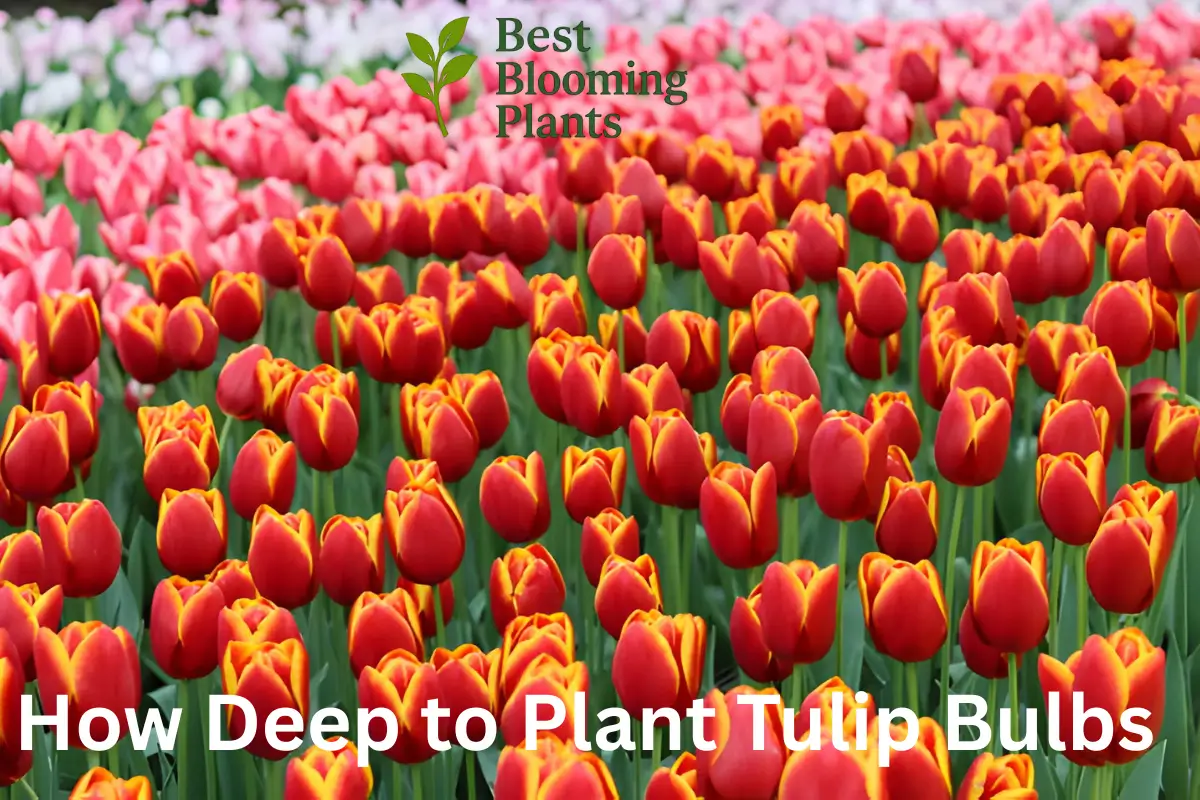

Spring flowers bring so much joy after a long, cold winter. Those bright cups of color, standing tall and proud, are a perfect reward for any gardener. But getting that amazing display requires a little bit of planning in the fall. The most important step? Learning how to properly Plant Tulip Bulbs. It is simple, but the exact depth you choose makes all the difference between a single beautiful season and a gorgeous show that returns year after year. Let’s dig in and learn the secrets to a stunning spring garden
Understanding the Beauty of Tulips
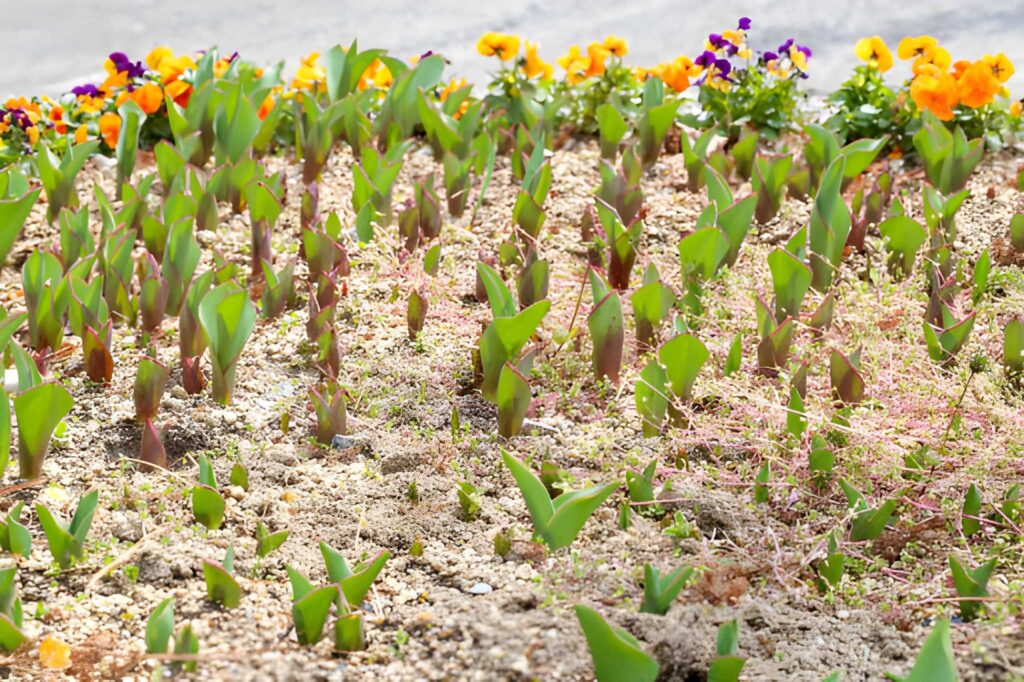
Tulips are famous for their bright colors. They bring joy to gardens every spring. People love to see them bloom. The flowers look like colorful cups. They stand tall on green stems. Red tulips are very popular. Yellow ones are also quite lovely. You can find them in many shades. Some are even purple or white. Gardeners wait all winter for them. The blooms signal that spring is here. It is a happy time for everyone. Planting them is a fun task. You can do it in the fall. It is not hard to do. You just need to know how.
The Magic Inside a Bulb
A tulip bulb is a small package. It holds a flower inside it. It also holds food for the plant. The bulb looks like a small onion. It has a papery skin on it. This skin protects the inner parts. The bottom has a flat plate. Roots will grow from this spot. The top point is for the stem. The stem shoots up towards the sun. The bulb needs to be safe underground. The soil keeps it safe from cold. It sleeps there during the winter months. Then it wakes up in the spring. This cycle happens every single year.
Why Planting Depth Matters
You must plant bulbs deep enough. Shallow bulbs might get too cold. Frost can hurt the flower bud. Animals might dig them up easily. Squirrels love to eat tasty bulbs. Planting deep helps protect them well. It also keeps the plant strong. A deep bulb grows strong roots. Strong roots hold the plant up. The wind will not blow it over. Proper depth is key for success. It helps the tulip come back. Shallow tulips may not bloom again. Deep planting is better for them. We will learn the right depth.
The General Rule of Thumb
There is a simple rule to follow. It helps you know the depth. Look at the size of the bulb. Measure how tall the bulb is. Multiply that number by three. That is how deep it goes. For example, take a two-inch bulb. It needs a six-inch deep hole. This is an easy way to remember. It works for most spring bulbs. It works for big and small ones. Just use your ruler to check. Dig the hole to that depth. Then drop the bulb in carefully. This rule keeps your flowers safe.
Determining Exactly How Deep to Plant Tulip Bulbs
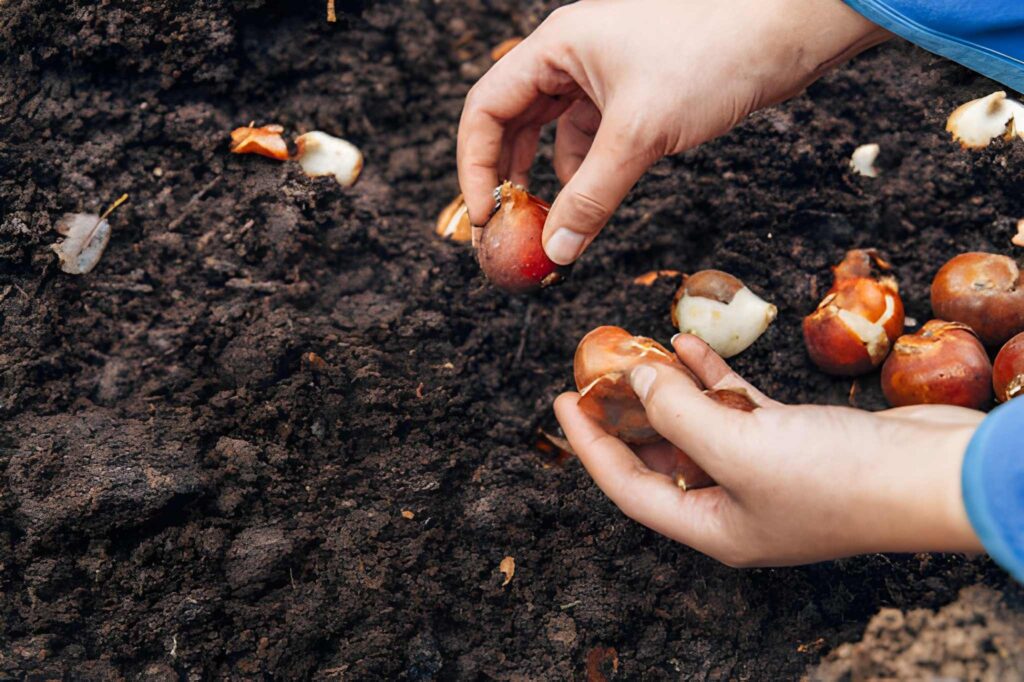
Many people ask this common question. They ask how deep to plant tulip bulbs. The answer is usually six inches. Some experts say eight inches is better. Eight inches keeps them very safe. It is good for cold places. The soil stays warmer down deep. This protects the bulb from freezing. It also keeps the bulb cool in summer. Heat can hurt the bulb too. So, deep planting helps in two ways. You should aim for six to eight inches. This is the sweet spot for tulips. Your tulips will be very happy there.
Tools You Will Need
You need a few tools to start. A shovel is the most important one. A hand trowel is also good. It helps you dig small holes. You might want a bulb planter. This tool makes perfect round holes. It removes a plug of soil. Then you put the bulb in. You also need a pair of gloves. Gloves keep your hands clean and safe. The soil can be cold and wet. Gloves make the work much easier. A ruler can help measure depth. You want to be very precise. Proper tools make the job fun.
Choosing the Right Spot
Tulips need a lot of sun. Pick a spot with bright light. They need six hours of sun. Full sun makes the colors bright. The stems will grow straight and strong. Shade makes the stems weak and floppy. The flowers might be small in shade. Look for a sunny patch of ground. It should not be too wet there. Tulips do not like wet feet. Wet soil can rot the bulbs. Good drainage is very important for them. Avoid spots where puddles form often. A slope can be a good place.
Preparing the Soil Correctly
Good soil is key for healthy plants. You should loosen the soil first. Dig down about twelve inches deep. This makes the dirt soft and loose. Roots can grow easily in soft soil. Remove any big rocks or stones. Break up big clumps of dirt. You can add some compost too. Compost adds food to the soil. It helps the soil hold water well. But it also lets water drain. This balance is perfect for tulips. Your bulbs will love the fresh soil. They will grow big and strong.
Using Bone Meal or Fertilizer
Some people add food for bulbs. Bone meal is a common choice. It adds phosphorus to the soil. This helps roots grow very strong. You can sprinkle some in the hole. Mix it with the soil at the bottom. Do not let it touch the bulb directly. Bulb fertilizer is also a good option. You can buy it at stores. Follow the instructions on the bag. Do not use too much food. Too much can burn the tender roots. A little bit goes a long way. It gives the bulbs a good start.
The Best Time to Plant
You must plant at the right time. Fall is the season for planting. The soil must be cool enough. Wait for the first light frost. The soil temperature should be sixty degrees. This usually happens in late October. November is also a good month. You can plant in early December too. Do not plant when it is hot. Heat can make the bulb grow early. You want them to sleep in winter. The cold winter helps them bloom. Planting too early is a bad idea. Patience is key for good tulips.
Knowing How to Plant Fall Bulbs Tulips
Learning how to plant fall bulbs tulips is easy. Wait until the leaves fall down. The air should feel crisp and cool. Get your bulbs and tools ready. Go to your chosen garden spot. Dig your holes to the right depth. Place the bulbs in the ground. Point the sharp end up high. Cover them with the loose soil. Pat the soil down very gently. Water them well after you plant. This wakes up the roots below. They will settle in for winter. Then you just wait for spring.
Checking the Bulb Orientation
The bulb has a top and bottom. The bottom is flat and rough. This is where roots come out. The top is pointy and sharp. The stem comes out of the top. You must plant them right side up. Put the flat side down deep. Point the sharp tip to the sky. This helps the plant grow straight. If you plant it sideways, it struggles. It has to curve to go up. This wastes energy for the plant. So, take a moment to check. Place each one with care and love.
Why Soil Drainage Is Vital
We talked about drainage briefly before. Let us talk about it more. Tulips hate to sit in water. Water fills the air pockets in soil. Roots need air to breathe underground. If there is no air, they die. The bulb will turn into mush. It will smell bad and rot. Sandy soil drains water very fast. Clay soil holds water for a long time. You might need to fix clay soil. Add sand or compost to it. This creates space for water to move. Good drainage saves your tulip bulbs.
Dealing with Sandy Soil
Sandy soil is loose and gritty. Water runs through it very quickly. This is good for drainage purposes. But it can be too dry. Also, sand does not hold nutrients. You might need to plant deeper. Plant them eight inches deep in sand. This keeps them from drying out. You should also add some organic matter. Mix in peat moss or compost. This helps the sand hold moisture. It also feeds the growing plants. Sandy soil warms up fast in spring. Your tulips might bloom early there.
Dealing with Clay Soil
Clay soil is heavy and sticky. It holds a lot of water. It can be hard to dig. Water drains slowly from clay soil. This can cause the bulbs to rot. You should plant shallow in clay. Try planting only four inches deep. Or, you can improve the soil. Mix in lots of coarse sand. Add compost to break up clumps. Raised beds are good for clay. They let water drain away fast. Do not walk on wet clay. It packs down and becomes hard. Be gentle with heavy clay soil.
Spacing for Individual Bulbs
You need to give them space. Do not crowd them too close. Each plant needs room to grow. How far apart to plant tulip bulbs? Place them four inches apart. This gives them enough soil space. Their leaves will not touch much. Air can move between the plants. This prevents mold and sickness. It also looks very neat and tidy. You can use a ruler again. Measure from center to center. Give each bulb its own spot. They will be happy and healthy. Proper spacing makes a nice garden.
Creating a Mass Planting Look
Sometimes you want a big show. You want a carpet of color. You can plant them closer together. Dig a large, wide trench instead. Place many bulbs in the trench. You can put them three inches apart. This makes a very full look. It looks like a field of flowers. Just make sure they do not touch. Touching can spread rot or disease. Ensure they have a little gap. This method is great for impact. It looks stunning in the spring. Your neighbors will love the view.
Understanding How Deep to Plant a Tulip Bulb
You might have just one bulb. You wonder how deep to plant a tulip bulb. The rule stays the same always. Aim for that six-inch depth. Even for a single special flower. Dig a small hole for it. Make sure the bottom is loose. Place your special bulb inside it. Cover it up with good soil. Mark the spot with a stick. You do not want to lose it. Water it gently and walk away. One tulip can be very beautiful. It is a small spot of joy. Treat it with great care.
How Deep Do I Plant Tulip Bulbs?
Tulip bulbs ko lagane ki sahi gehraai (depth) unki sehat aur phool nikalne ke liye bohot zaroori hai. Iska aik asaan aur “Golden Rule” ye hai ke bulb ko uski apni height se 3 guna gehra lagayein. Aam taur par, aik standard tulip bulb ko zameen mein 6 se 8 inches (15–20 cm) gehra lagana chahiye. Agar aap ise bohot upar lagayenge, to garmi ki wajah se bulb jal sakta hai ya koi janwar ise nikal sakta hai, aur agar bohot gehra laga diya, to shayad pauda bahar hi na nikal paye.
Planting in Raised Beds
Raised beds are great for tulips. The soil is usually very good. It is loose and drains well. It warms up early in spring. You can plant easily in them. Follow the same depth rules here. Dig down six to eight inches. Plant your bulbs in rows or groups. Raised beds are easy to reach. You do not have to bend much. This saves your back from pain. The flowers will be higher up. They are closer to your eyes. You can enjoy them even more. Raised beds are a smart choice.
Using the Lasagna Method
This is a fun planting trick. It is called the lasagna method. You plant bulbs in layers. Dig a very deep hole first. Maybe ten or twelve inches deep. Put big late tulips at bottom. Cover them with some soil. Then add early tulips on top. Cover those with more soil too. You can add crocus on top. This gives you flowers for weeks. One layer blooms, then the next. It saves space in the garden. You get more flowers in one spot. It is like a flower sandwich.
Mixing Tulips with Other Bulbs
You can mix different flowers together. Daffodils are a great choice friends. They bloom at the same time. You need to know depths. How deep to plant tulip and daffodil bulbs? Tulips go deeper than the daffodils. Plant tulips eight inches down deep. Plant daffodils six inches down deep. You can layer them in holes. Or plant them side by side. They look great paired together. Yellow and red is a classic mix. They help support each other too. Daffodils keep pests away effectively. Squirrels do not like daffodil taste. This keeps your tulips safer.
Understanding How to Plant Tulip Bulb
Let us review the steps again. You want to know how to plant tulip bulb. First, find a good sunny spot. Second, dig a hole six inches deep. Third, loosen the soil at bottom. Fourth, put the bulb in pointy-up. Fifth, cover it with the soil. Sixth, water the spot right away. These six steps are all you need. It is a simple garden chore. Anyone can do it with ease. Kids can help you do it. It is a fun family activity. You will feel proud in spring.
The Role of Mulch
Mulch is a blanket for soil. It keeps the ground temperature stable. It stops weeds from growing there. Put mulch on after you plant. Use shredded leaves or wood chips. Spread it two inches thick. Do not pack it down tight. It keeps the soil moist too. It protects bulbs from deep frost. In spring, the shoots push through. You do not need to remove it. The green tips are very strong. Mulch makes the garden look clean. It is a helpful finishing touch.
Watering After Planting
Water is vital for new bulbs. You must water them immediately. This settles the soil around them. It removes air pockets in dirt. It signals the bulb to wake. Roots start to grow in fall. Do not soak them too much. Just make the soil moist. If it rains, you are good. You do not need to water more. Only water if it is dry. A dry fall needs extra water. Check the soil with your finger. If it is dry, add water. Stop watering when winter freezes ground.
Growing Tulips in Pots
You can grow them in pots. This is great for small spaces. You need a pot with holes. Drainage is critical for potted bulbs. How to plant tulip bulbs in containers is specific. Use a good potting soil mix. Do not use dirt from the garden. Garden dirt gets too hard in pots. Potting mix stays light and fluffy. Fill the pot half full first. Place your bulbs on the soil. You can pack them close together. They can almost touch in pots. This makes a full, lovely display.
Depth for Potted Tulips
The depth is different in pots. You might ask how deep to plant tulip bulbs in pots. You can plant them shallower here. Four to six inches is okay. The pot limits how deep you go. Just ensure they are covered well. They need soil above them. This holds them in place firmly. If too shallow, they fall over. The stems need soil for support. Measure from the soil surface down. Leave space at the top rim. You need room to water them. Do not fill to the very top.
Protecting Potted Bulbs in Winter
Pots get colder than the ground. The cold air surrounds the pot. This can freeze the bulbs hard. You must protect them in winter. How to plant tulip bulbs in pots in fall includes protection. Keep the pots in a shed. Or put them in a garage. An unheated garage is perfect. It stays cold but not freezing. Keep them there until spring comes. Check them for water sometimes. Do not let the soil dry out completely. Give them a sip of water. Move them out in the spring.
Forcing Tulips Indoors
You can trick them to bloom. You can make them bloom early. This is called forcing the bulbs. How to plant tulip bulbs in pots indoors is fun. Plant them in a pot. Put the pot in the fridge. They need cold for weeks. Keep them cold for twelve weeks. This mimics the winter season outside. After twelve weeks, take them out. Put them in a sunny window. They will think spring has arrived. They will grow and bloom indoors. You can have flowers in winter. It brightens up a snowy day.
Planting Combinations
We mentioned daffodils and tulips before. Let’s look at how deep to plant daffodil and tulip bulbs again. Daffodils can go a bit higher. Tulips go a bit lower down. This is a good general rule. You can also add crocus. Crocus bulbs are very small. They go near the top surface. Maybe just three inches deep. Grape hyacinths are also small. They look like little blue bells. They look great with red tulips. Plant them shallow around the tulips. The blue and red look amazing. It is a classic color combo.
Dealing with Pests
Animals are a big problem. Squirrels dig up fresh bulbs. They see loose soil and dig. Chipmunks also love to eat them. Mice and voles eat them underground. You can protect your precious bulbs. Lay wire mesh over the soil. Chicken wire works very well. Bury the wire under the dirt. The shoots grow through the holes. The animals cannot dig through it. You can also use repellents. Spray smells that they hate. Red pepper flakes can help too. Sprinkle them on the soil top.
Companion Planting
Some plants help tulips grow. These are called companion plants. Daffodils are the best companions. As said, pests hate them. Plant them around your tulip patch. This creates a protective barrier. Alliums are also good friends. They are in the onion family. They smell like onions to pests. Animals avoid the onion smell. Plant alliums near your tulips. It keeps the bad critters away. Plus, alliums look very cool. They are purple balls on stems. They bloom after the tulips do.
What Is a Tunic?
The bulb has a skin. This skin is called a tunic. Sometimes the skin is loose. It might even fall off. Do not worry about that. The bulb is still okay. You can plant it without skin. Be gentle with naked bulbs. They can get scratched easily. The tunic keeps moisture inside. It is a natural wrapper. Leave it on if you can. It helps keep the bulb healthy.
Inspecting Bulbs Before Planting
Check your bulbs at the store. Squeeze them gently with fingers. They should feel hard and firm. Do not buy soft bulbs. Soft bulbs are likely rotten. Do not buy moldy bulbs. Look for spots or cuts. A healthy bulb is heavy. It feels solid in your hand. Big bulbs make big flowers. Small bulbs make small flowers. Choose the biggest ones you find. They have the most energy. Inspect them before you plant. Throw away any bad ones.
The Importance of Roots
Roots grow from the basal plate. This is the bottom flat part. Roots drink water for the plant. They suck up food from soil. They anchor the plant down. Deep planting helps root growth. The roots have more room. They can go deep for water. This helps in dry weather. Shallow roots dry out fast. Deep roots stay cool and moist. Good roots mean a strong plant. The flower will be tall. The leaves will be green. Roots are the plant’s engine.
How Far Down to Plant Tulip Bulbs
People ask how far down to plant tulip bulbs often. We know the answer is six inches. But what if you go deeper? Can you go ten inches? Yes, you can go deep. Ten inches is very deep. But the tulip will still grow. It just takes longer to emerge. It will bloom a bit later. This can be a good thing. It avoids late spring frosts. But do not go too deep. Twelve inches might be too much. The sprout might run out of energy. Stick to six to eight inches.
Spring Planting
Sometimes people forget to plant. They find bulbs in the spring. They ask how to plant tulip bulbs in spring. It is hard to do. The bulbs need winter cold. If they did not get cold, they fail. You can try to chill them. Put them in the fridge. But it might be too late. You can buy pre-chilled bulbs. Sellers chill them for you. You can plant these in spring. They will bloom quickly. But fall is always best. Spring planting is a backup plan.
Understanding Pre-Chilled Bulbs
Pre-chilled bulbs are special. They have had their winter nap. They are ready to grow now. You treat them like normal bulbs. Plant them in the ground. Or plant them in pots. How to plant tulip bulbs in the spring uses these. Dig the hole as usual. Put the chilled bulb in. Cover and water it well. It will grow very fast. The soil is already warm. You will see flowers soon. This is good for warm places. Places where winter is not cold.
Zone Differences
Gardening zones are very important. Tulips love zones three to seven. These zones have cold winters. Zones eight and nine are hot. Tulips do not like the heat. In hot zones, treat them as annuals. This means you plant new ones yearly. They will not come back. You must chill them in the fridge. Plant them in December or January. Enjoy the blooms in early spring. Then dig them up and compost. It is sad but necessary. Hot weather kills the bulb.
Fertilizing in Spring
When shoots appear, you can feed. Use a balanced fertilizer. Sprinkle it around the plants. Do not get it on leaves. Rain will wash it in. This feeds the green leaves. The leaves make food for next year. They store energy in the bulb. Healthy leaves mean flowers next year. If leaves are weak, no flowers. Do not use too much nitrogen. Nitrogen makes leaves but no flowers. Look for bulb booster food. It has the right mix.
Watering in Spring
Spring can be rainy or dry. Tulips need water to bloom. If it is dry, water them. They are thirsty when growing. The flower bud is forming. Water helps the cells expand. The stem needs water to stand. If they wilt, water them. Do not let them dry out. But do not drown them. Puddles are still bad news. Just keep the soil moist. Check it every few days. Your finger is the best tool. If dry, get the hose.
Deadheading the Flowers
The flower will fade eventually. Petals will fall off the stem. You should cut the stem head. This is called deadheading. Snap off the seed pod. Do not let seeds form. Seeds take a lot of energy. You want energy in the bulb. Leave the green stem there. Leave all the green leaves. Only remove the flower part. This saves strength for next year. It helps the bulb grow big. It ensures blooms for next spring.
Leaving the Foliage
This is the most important rule. Do not cut the leaves. The leaves must stay on. They turn sunlight into food. This process is photosynthesis. The food goes down to the bulb. The bulb stores it for winter. You must wait for leaves to yellow. They will turn brown and die. This takes about six weeks. Only then can you cut them. If you cut early, the bulb dies. The bulb will starve. Be patient with messy leaves.
Hiding the Dying Leaves
Yellow leaves can look ugly. Gardeners want to hide them. You can plant other flowers nearby. Plant annuals in front of tulips. Petunias or marigolds work well. They grow up and hide leaves. Hostas are also great covers. Their big leaves cover the tulips. Daylilies work well too. As tulips fade, others grow. Your garden stays looking green. You do not see the brown mess. This is a smart design tip. It keeps the garden pretty.
Digging Up Bulbs
Some people dig up bulbs. This is a lot of work. But it saves the bulbs. It prevents rot in wet summer. If your summer is wet, do this. Dig them after leaves die. Clean off the dirt. Let them dry in the shade. Store in a mesh bag. Hang them in a cool spot. Replant when autumn returns.
Perennial Tulips
Most tulips are not perennials. They bloom well for one year. Then they get small and weak. But some types are perennials. Darwin Hybrids are very strong. They come back for years. Species tulips also come back. They are small but tough. If you want return blooms, buy these. Look for “naturalizing” on the label. Plant them deep and feed them. They will reward you for years. Other types are best as annuals. Just plant new ones each year.
Troubleshooting: No Flowers
Sometimes tulips have leaves but no flowers. This is called coming up blind. Why does this happen to them? Dig them up and check. Separate the small baby bulbs. Plant them in a new spot. Feed them well next spring. They might bloom in two years. It takes time for them to recover.
Troubleshooting: Rot
Bulb rot is a sad problem. The plant turns yellow and dies. The bulb is mushy and slimy. This is from too much water. It is a fungus in soil. You cannot fix a rotten bulb. You must throw it away. Do not put it in compost. It spreads the fungus there. Dig out the bad soil too. Put fresh soil in the hole. Improve drainage for next time. Plant in a drier spot. Or use a raised bed.
Troubleshooting: Short Stems
Sometimes stems are very short. The flower opens near the ground. This looks funny and strange. This happens from warm winters. The bulb did not sleep enough. It did not stretch properly. It can also be lack of water. Dry soil stunts the growth. There is not much you can do. Just enjoy the short flower. Hope for a colder winter next. Or water more in the spring. Nature can be unpredictable.
Varieties: Darwin Hybrids
Darwin Hybrids are the giants. They have huge flower heads. The stems are tall and strong.Plant them eight inches deep. Give them plenty of space. They will make a big statement. They are classic tulip shapes. You will love them in your garden.
Varieties: Triumph Tulips
Triumph tulips are very popular. Then they fade away. Treat them as annuals mostly. Plant many of them together. They look great in mass plantings. The color range is amazing. You can find any color you want.
Varieties: Parrot Tulips
Parrot tulips are fancy and wild. The petals are twisted and curled. They look like exotic bird feathers. They are fringed and ruffled. The colors are mixed and striped. They are truly works of art. The stems can be weak. They might flop over in rain. Plant them in a sheltered spot. Protect them from strong wind.
Planting Design: Blocks of Color
Design your garden with care. Plant in big blocks of color. Do not mix colors too much. A block of red looks bold. A block of yellow looks bright. Mixed colors can look messy. Unless you plan it well. Purple and yellow look good. Red and white look crisp. Pink and purple look soft. Think about the feeling you want. Bold or soft and romantic? Use the flowers to paint. The soil is your canvas.
Planting Design: Drifts
Make your planting look natural. Do not plant in straight lines. Nature does not grow in lines. Plant in curved shapes. These are called drifts. Make a kidney bean shape. Or a teardrop shape. Throw the bulbs gently on ground. Plant them where they land. This creates random spacing.
Recording Your Work
It is easy to forget things. You forget where you planted. You forget what colors you chose. Keep a garden journal. Write down what you did. Draw a map of the garden. Mark where the bulbs are. Write down the date too. Write down the variety names. In spring, check your notes. See what worked well. See what failed. Learn from your own work. This makes you a better gardener.
Clean Up and Storage
After planting, clean your tools. Wipe the dirt off shovels. Dry them so they do not rust. Store unused bulbs properly. If you have leftovers, share them. Give them to a friend. Or plant them in a pot. Do not keep them for next year. They will dry out and die. Bulbs must be planted now. They cannot survive on a shelf. Use them or lose them. That is the rule of bulbs.
Safety for Pets
Be careful with your pets. Tulip bulbs can be toxic. Dogs might dig and eat them. This can make them sick. It can cause vomiting. Keep dogs away from planting. Watch them in the garden. If they eat one, call vet. Cats usually ignore them. But be safe and watchful. Store bulbs in a closed bin. Do not leave bags open. Safety is first priority.
Engaging Kids in Gardening
Planting is great for kids. The bulbs are easy to hold. The holes are fun to dig. Let them help you plant. Teach them about the seasons. Explain how the bulb sleeps. They will learn patience. They will check for shoots. When it blooms, they are happy. “I planted that!” they say. It connects them to nature. It is a special memory. Start a small patch for them.
Checking how and when to plant tulip bulbs
Let’s summarize how and when to plant tulip bulbs. The “when” is autumn. Late October to December. The “how” is deep and pointy-up. Six to eight inches deep. Pointy end facing the sky. In well-drained soil. With a little bone meal. Covered with mulch. Watered once well. That is the magic formula. It is simple but strict. Follow it for success.
The Joy of Anticipation
Winter is long and cold. The garden is brown and bare. But you know a secret. Hidden treasures are underground. They are waiting for the sun. You dream of the colors. You check the ground often. One day, a green tip appears. It is a sign of life. Spring is coming back. The tulips are waking up. It is a wonderful feeling. It makes winter bearable.
Conclusion
Planting tulips is a rewarding hobby. It brings beauty to the world. It is good exercise too. You connect with the earth. You create something lovely. Just remember the key rules. Plant deep, six to eight inches. Plant in the fall. Give them sun and drainage. Protect them from pests. Be patient and wait. Nature will do the rest. Your garden will shine. Enjoy your beautiful tulips!
1. How deep should I plant my tulip bulbs in the ground?
You should plant tulip bulbs deeply. A good rule is to plant them six to eight inches deep. Measure from the base of the bulb. This depth protects them from cold. It keeps hungry animals away. It helps them grow strong roots. The bulbs will be safer down deep.
2. When is the best time to plant tulip bulbs?
The best time is in the fall. You should wait until the soil cools. This is usually late October or November. Plant them when the soil temperature drops. The soil needs to be cool for the bulbs to sleep. This cold sleep is important. It helps them bloom in the spring.
3. Which way up should I put the tulip bulb in the hole?
Always plant the bulb with the pointy side up. The pointy side is where the stem will grow. The flat, rough side should face down. Roots will grow out of the flat part. Planting it pointy-up helps the sprout grow straight.
4. What is the rule of thumb for determining planting depth?
The simple rule is to plant a bulb three times its own height. If a bulb is two inches tall, you dig a six-inch hole. This helps you get the depth right. It works for all bulb sizes too.
5. How deep should I plant tulip bulbs in pots or containers?
You can plant them a little shallower in pots. Plant potted bulbs four to six inches deep. Make sure the container has drainage holes. Do not let them sit in water. Pots need protection in cold winter. Store the pots in a garage or shed.
6. Can I plant tulips and daffodils together, and how deep?
Yes, you can plant them together. Daffodils help keep pests away. Plant the tulips deeper first, at about eight inches. Then plant the daffodils above them, at about six inches. This is a layering technique.
7. What happens if I cut the green leaves after the flower dies?
Never cut the green leaves after the flower fades. The leaves are very important. They collect sunlight to make food. This food goes back into the bulb. It feeds the bulb for next year’s bloom. Wait until the leaves turn yellow or brown. Then you can safely cut them off.
8. What should I do if my tulips are in a warm area with mild winters?
Tulips need a cold period to bloom. If your winter is warm, you must pre-chill them. Put the bulbs in your refrigerator. Keep them there for six to twelve weeks. Keep them away from fruits like apples. Plant the chilled bulbs in late fall or early winter.
9. How far apart should I space my tulip bulbs?
For a natural look, space them four inches apart. If you want a full, dense look, space them closer. You can put them three inches apart for a mass display. Make sure the bulbs are not touching each other. This helps stop rot and disease.
10. How can I protect my tulip bulbs from squirrels and other pests?
Planting them deep (eight inches) helps a lot. You can also cover the planting area. Lay down wire mesh or chicken wire over the soil. The tulip shoots will grow through it. The animals cannot dig up the bulbs. Planting daffodils nearby also helps. Daffodils taste bad to pests.