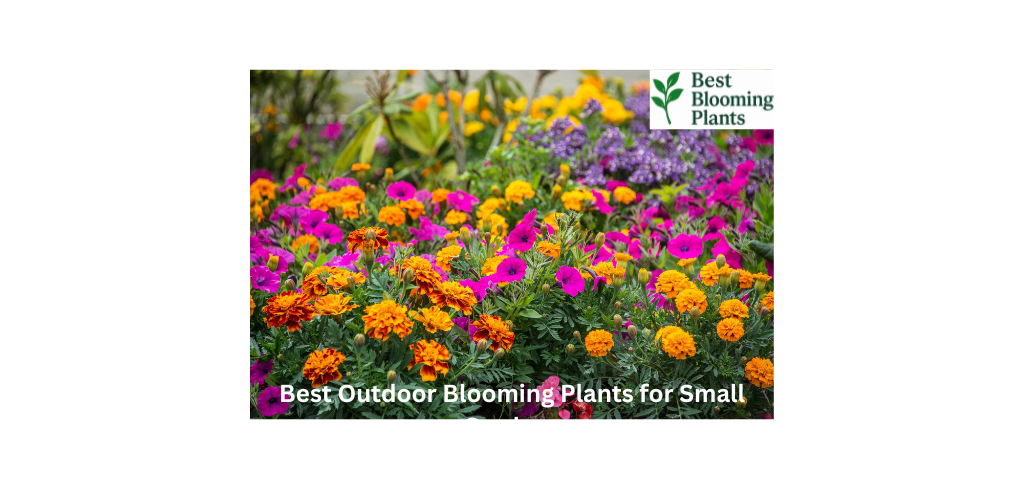

Do you have a small balcony, a tiny front yard, or a compact patio that feels dull and lifeless? The great news is that you do not need acres of land to create a breathtaking garden full of color and fragrance. With the right outdoor blooming plants, even the smallest space can be transformed into a vibrant paradise.
In this complete guide, we will explore the best outdoor blooming plants for small gardens, compare their care needs side by side, and show you exactly how to mix and match them for year-round color. Whether you are a complete beginner or an experienced gardener looking for fresh ideas, this guide has everything you need.
Why Small Gardens Need Blooming Plants
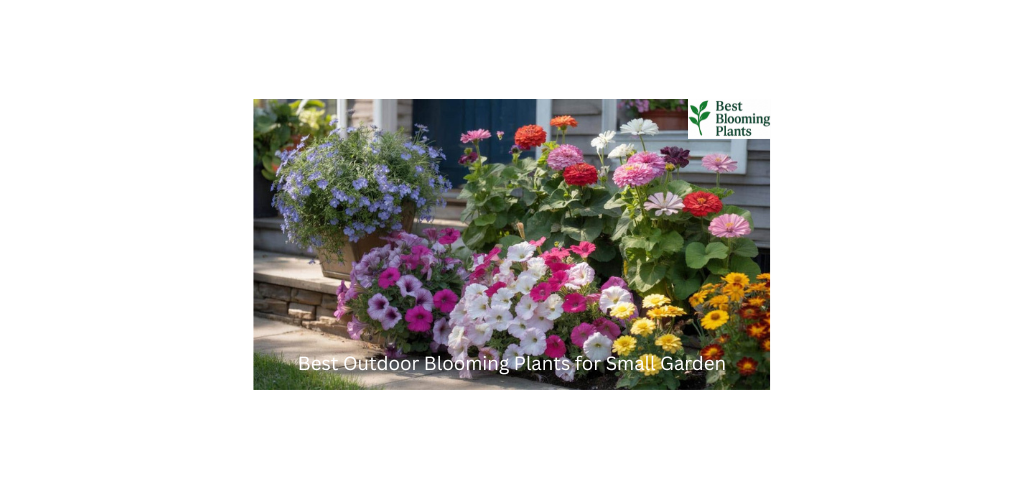
Small gardens face a unique challenge — every plant has to earn its place. You cannot afford to fill your limited space with plants that only look interesting for a few weeks and then fade into the background for the rest of the year. Blooming plants solve this problem beautifully.
A well-chosen selection of outdoor flowering plants can:
- Add bursts of seasonal color that change throughout the year
- Attract pollinators like bees and butterflies, supporting local ecosystems
- Create visual depth and layers in a small space
- Produce fragrance that makes your outdoor area feel like a true garden retreat
- Increase the curb appeal and value of your property
If you are also interested in low-maintenance houseplants that complement your outdoor garden, check out our detailed guide on Low-Maintenance Office Plants — many of which can transition beautifully between indoor and outdoor spaces during warmer months.
Quick Comparison Table: Best Outdoor Blooming Plants at a Glance
Before we dive deep into each plant, here is a handy comparison table so you can quickly find the right plant for your specific needs:
| Plant Name | Bloom Season | Sunlight Needed | Watering Needs | Height | Best For |
|---|---|---|---|---|---|
| Marigold | Spring – Fall | Full Sun | Moderate | 6–36 inches | Borders, pots |
| Lavender | Summer | Full Sun | Low | 1–3 feet | Fragrance, edges |
| Geranium | Spring – Fall | Full/Part Sun | Moderate | 6–24 inches | Balconies, pots |
| Petunia | Spring – Fall | Full Sun | Moderate-High | 6–18 inches | Hanging baskets |
| Salvia | Summer – Fall | Full Sun | Low-Moderate | 1–4 feet | Pollinator gardens |
| Black-Eyed Susan | Summer – Fall | Full Sun | Low | 2–3 feet | Wildflower look |
| Begonia | Spring – Fall | Part Shade | Moderate | 6–18 inches | Shady spots |
| Bougainvillea | Spring – Summer | Full Sun | Low-Moderate | Climbing vine | Walls, trellises |
| Cosmos | Summer – Fall | Full Sun | Low | 1–4 feet | Cottage gardens |
| Zinnia | Summer – Fall | Full Sun | Low-Moderate | 6–36 inches | Cut flowers, beds |
1. Marigold (Tagetes)
Marigolds are arguably the most popular outdoor blooming plant in the world — and it is easy to see why. Their vibrant orange, yellow, and red blooms are cheerful, long-lasting, and incredibly easy to grow. They are also natural pest repellents, which makes them a favorite companion plant in vegetable gardens.
Detailed Care Guide:
- Sunlight: Full sun (at least 6 hours per day)
- Watering: Water at the base, not on the flowers; allow soil to dry slightly between waterings
- Soil: Average, well-draining soil; they do not need rich or heavily fertilized soil
- Deadheading: Remove spent blooms regularly to encourage continuous flowering
- Common Pests: Generally pest-resistant; in fact, they repel aphids and whiteflies
Best Varieties for Small Gardens:
- French Marigold (Tagetes patula) — compact, 6–12 inches, perfect for borders and pots
- Signet Marigold (Tagetes tenuifolia) — delicate, lacy foliage with small edible flowers
Pro Tip: Plant Marigolds near your tomatoes, peppers, or roses to naturally deter harmful insects without using chemical pesticides.
2. Lavender (Lavandula)
Few plants can rival the elegance and sensory pleasure of Lavender. Its iconic purple flower spikes and silvery-green foliage are beautiful year-round, even when not in bloom. The fragrance is famous worldwide for its calming, stress-relieving properties.
Detailed Care Guide:
- Sunlight: Full sun — absolutely essential for good blooming
- Watering: Drought-tolerant once established; overwatering is its biggest enemy
- Soil: Sandy, alkaline, well-draining soil; add grit or sand to heavy clay soils
- Pruning: Prune lightly after flowering each year to prevent woody, leggy growth
- Hardiness: Most varieties are hardy to -10°C (14°F); English Lavender is the most cold-tolerant
Best Varieties for Small Gardens:
- Hidcote — compact, deep purple flowers, perfect for small borders
- Munstead — early bloomer, compact habit, excellent fragrance
Lavender pairs wonderfully with the other sun-loving plants in this list, such as Salvia and Black-Eyed Susan, to create a low-water Mediterranean-style garden that thrives with minimal effort.
3. Geranium (Pelargonium)
When most people say “Geranium,” they actually mean Pelargonium — the classic balcony and windowbox plant found across Europe and the Mediterranean. With their bold clusters of red, pink, white, and salmon flowers, they are a staple of small garden design.
Detailed Care Guide:
- Sunlight: Full sun to partial shade; morning sun with afternoon shade is ideal in very hot climates
- Watering: Allow the top inch of soil to dry between waterings; reduce watering in winter
- Soil: Rich, well-draining potting mix; feed with a balanced liquid fertilizer every two weeks during the growing season
- Overwintering: In cold climates, bring pots indoors before frost; they are tender perennials
- Deadheading: Remove spent flower heads to promote continued blooming
Best Varieties for Small Gardens:
- Zonal Geraniums — classic, upright habit, great for pots and borders
- Ivy Geraniums — trailing habit, excellent for hanging baskets and window boxes
4. Petunia (Petunia x hybrida)
Petunias are the ultimate high-impact, low-cost blooming plant for small gardens. Available in virtually every color imaginable — from pure white to deep purple to striped and ruffled varieties — they bloom from spring all the way until the first frost.
Detailed Care Guide:
- Sunlight: Full sun (minimum 5–6 hours daily for best flowering)
- Watering: Water frequently, especially in hot weather; they do not like to dry out completely
- Soil: Rich, well-draining potting or garden soil; feed every 1–2 weeks with a high-potassium fertilizer
- Pinching: Pinch back leggy stems every few weeks to encourage bushy, full growth
- Common Issues: Watch for aphids and caterpillars; treat with neem oil spray
Best Varieties for Small Gardens:
- Wave Petunias — spreading, low-growing habit, excellent for ground cover and hanging baskets
- Supertunia — vigorous, self-cleaning (no deadheading required), perfect for busy gardeners
5. Salvia (Salvia splendens / Salvia nemorosa)
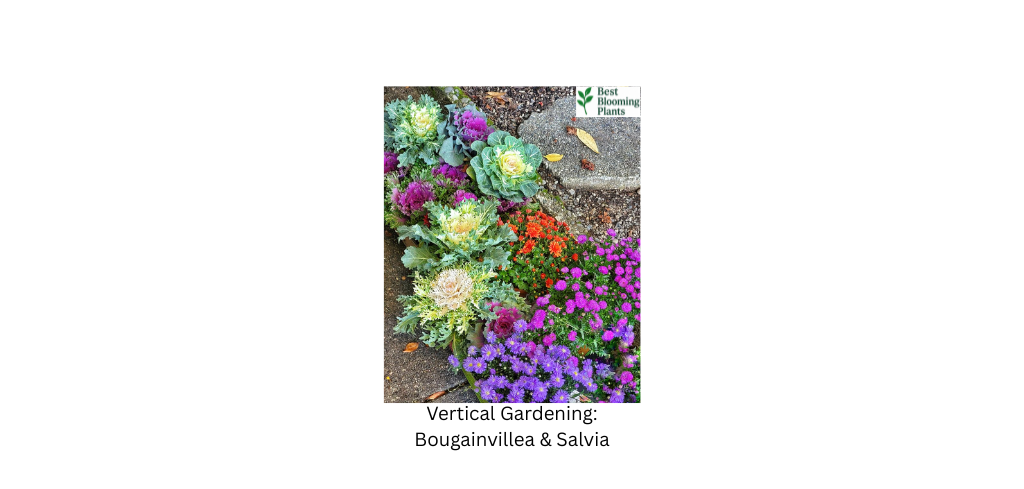
Salvia is a powerhouse plant for small gardens — producing tall spikes of vibrant blue, purple, red, or pink flowers that attract pollinators in huge numbers. It blooms for an extended period and requires very little maintenance once established.
Detailed Care Guide:
- Sunlight: Full sun; tolerates light partial shade
- Watering: Drought-tolerant once established; water young plants regularly
- Soil: Well-draining, average soil; does not need heavy fertilization
- Deadheading: Cut back spent flower spikes to encourage a second flush of bloom
- Attracts: Bees, butterflies, and hummingbirds
Why It Works in Small Gardens: Salvia provides vertical interest — its tall flower spikes draw the eye upward, making small spaces feel larger and more dynamic.
6. Black-Eyed Susan (Rudbeckia hirta)
Black-Eyed Susans bring a wild, cottage-garden charm to any outdoor space. Their golden-yellow petals surrounding a dark brown center are instantly recognizable and deeply cheerful. They are also extremely drought-tolerant and long-blooming.
Detailed Care Guide:
- Sunlight: Full sun; tolerates some partial shade
- Watering: Very drought-tolerant once established; minimal care needed
- Soil: Adaptable to most well-draining soils, including poor soils
- Self-Seeding: They self-seed freely, so you get more plants every year with no effort
- Wildlife Value: Seed heads provide winter food for birds
Perfect Companion Plants: Pair Black-Eyed Susans with Salvia and Cosmos for a stunning, wildlife-friendly garden display that blooms from summer through autumn.
7. Begonia (Begonia x semperflorens)
For small gardens with limited direct sunlight, Begonias are an absolute lifesaver. They are one of the few flowering plants that genuinely thrive in partial shade, producing non-stop blooms in shades of red, pink, white, and peach.
Detailed Care Guide:
- Sunlight: Partial shade to full shade; too much sun can scorch the leaves
- Watering: Keep soil consistently moist but not waterlogged
- Soil: Rich, well-draining potting mix; add perlite to improve drainage
- Temperature: Frost-sensitive; bring indoors when temperatures drop below 10°C (50°F)
- Propagation: Easily propagated from stem cuttings placed in water
Best For: North-facing balconies, shaded patios, and spots under trees where other plants struggle to flower.
8. Bougainvillea
If you live in a warm or Mediterranean climate, Bougainvillea is one of the most spectacular plants you can grow. Its papery bracts — which are often mistaken for flowers — come in blazing shades of magenta, orange, red, purple, and white, covering the entire plant in a breathtaking cascade of color.
Detailed Care Guide:
- Sunlight: Full sun — essential for good flowering
- Watering: Drought-tolerant once established; water stress actually triggers heavier blooming
- Soil: Well-draining, slightly acidic soil
- Support: Needs a trellis, wall, or fence to climb; ideal for vertical gardening in small spaces
- Pruning: Prune after each bloom cycle to encourage more flowering
Small Garden Tip: Train Bougainvillea up a wall or trellis to maximize vertical space — it creates a stunning privacy screen and focal point without taking up any ground space.
9. Cosmos (Cosmos bipinnatus)
Cosmos are one of the easiest annual flowers to grow from seed. Their feathery, delicate foliage and cheerful daisy-like flowers in pink, white, and magenta give gardens a relaxed, cottage-garden feel that is effortlessly charming.
Detailed Care Guide:
- Sunlight: Full sun
- Watering: Low water needs; too much fertilizer or water leads to more leaves and fewer flowers
- Soil: Poor to average soil is actually preferred; very fertile soil reduces blooming
- Sowing: Direct sow seeds in spring after last frost; thin seedlings to 12 inches apart
- Self-Seeding: Will self-seed in mild climates, returning year after year
Fun Fact: Cosmos are so easy to grow that they are often recommended as the first plant for children’s gardens. They germinate within 7–10 days and bloom within 7–8 weeks of sowing.
10. Zinnia (Zinnia elegans)
Zinnias are the ultimate summer cut flower and garden showstopper. Available in every color except blue, they produce large, bold blooms on upright stems that are perfect for cutting and bringing indoors. They also attract butterflies in remarkable numbers.
Detailed Care Guide:
- Sunlight: Full sun
- Watering: Water at the base to prevent powdery mildew on leaves; allow soil to dry slightly between waterings
- Soil: Average, well-draining garden soil; feed monthly with a balanced fertilizer
- Deadheading: Deadhead regularly to keep plants blooming through summer and into autumn
- Pests: Watch for spider mites in hot, dry weather; a strong spray of water usually controls them
Best Varieties for Small Gardens:
- Profusion Series — compact, disease-resistant, covered in blooms all season
- Thumbelina — dwarf variety, perfect for containers and front borders
How to Design a Small Garden with Blooming Plants
Now that you know your plants, let us talk about how to combine them effectively in a small space.
Layer by Height: Place tall plants (Salvia, Black-Eyed Susan, Cosmos) at the back or center of a bed. Medium-height plants (Marigolds, Zinnias, Geraniums) go in the middle, and low-growing plants (Petunias, compact Begonias) fill the front edges.
Plan for Continuous Color: Mix early-season bloomers (Lavender, Geraniums) with mid-summer plants (Zinnias, Cosmos) and late-season plants (Black-Eyed Susans, Salvia) so your garden never has a dull period.
Use Containers Strategically: In very small spaces, containers are your best friend. Group pots of different sizes together for a layered effect. Plant trailing Petunias in hanging baskets to add color at eye level and above.
Stick to a Color Palette: Choose two or three complementary colors and repeat them throughout your garden. A palette of purple (Lavender, Salvia), yellow (Marigold, Black-Eyed Susan), and white (Cosmos, Petunia) creates a cohesive, sophisticated look.
Caring for Your Outdoor Garden: Essential Tips
Watering Wisely Water in the morning so that foliage dries before evening, reducing the risk of fungal diseases. Invest in a drip irrigation system or soaker hose for containers to save time and water.
Feeding Your Plants Most blooming plants benefit from regular feeding with a high-potassium fertilizer (look for a higher third number on the NPK ratio). This encourages flower production over leafy growth. For a deeper understanding of plant nutrition, read our detailed guide on Indoor Plant Fertilizer and Soil Science.
Deadheading for More Blooms Removing spent flowers is the single most effective thing you can do to extend your plants’ blooming period. When a plant sets seed, it stops producing flowers — deadheading tricks it into continuing to bloom.
Pest Management Check plants regularly for aphids, spider mites, and caterpillars. Introduce beneficial insects like ladybugs and lacewings by planting companion plants. If chemical intervention is needed, always use the least toxic option first.
Soil Preparation Before planting, work a generous amount of compost into your garden soil. Good soil is the foundation of a successful garden. For container plants, use a high-quality potting mix — never use garden soil in pots as it compacts and prevents healthy root growth.
Frequently Asked Questions
Q: What is the easiest outdoor blooming plant to grow for beginners? A: Marigolds and Zinnias are universally considered the easiest outdoor bloomers for beginners. They grow quickly from seed, tolerate most soils, and bloom prolifically with minimal care.
Q: Which outdoor plants bloom all summer long? A: Petunias, Geraniums, Zinnias, and Salvia are all known for exceptionally long bloom periods, often flowering continuously from late spring until the first autumn frost.
Q: Can I grow outdoor blooming plants in pots? A: Absolutely. Most of the plants in this guide grow beautifully in containers. Use pots with drainage holes, a good quality potting mix, and remember that container plants need more frequent watering and feeding than garden-bed plants.
Q: Which plants attract the most butterflies and bees? A: Lavender, Salvia, Black-Eyed Susan, Cosmos, and Zinnias are all exceptional pollinator plants. Including a mix of these in your garden makes a meaningful contribution to local biodiversity.
Final Thoughts: Small Garden, Big Impact
The size of your garden should never limit the beauty you can create. With the right selection of outdoor blooming plants — chosen for their season, height, color, and care requirements — even the smallest balcony, courtyard, or front garden can become a breathtaking showcase of nature’s finest work.
Start with two or three plants from this list, learn their needs, and build your confidence. Before long, you will find yourself planning seasonal rotations, experimenting with new color combinations, and discovering the deep satisfaction that comes from nurturing a garden through the seasons.
For more plant care inspiration, explore our guides on Air Purifying Plants, Succulent Care, and How to Grow Lemon Trees in Pots — your outdoor garden and indoor plant collection can grow together beautifully.
Happy gardening!
Best Blooming Plants — Your trusted guide to growing beautiful plants indoors and outdoors.