
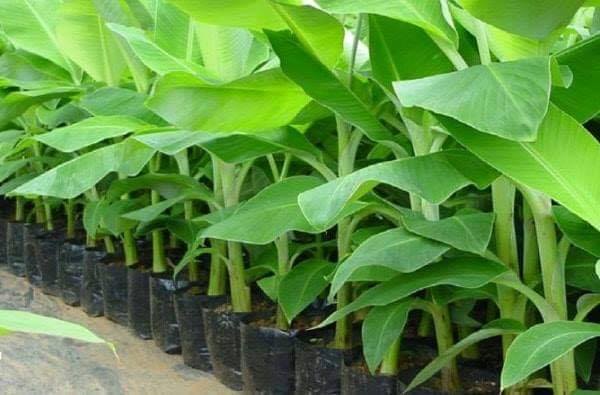

Tissue culture plants
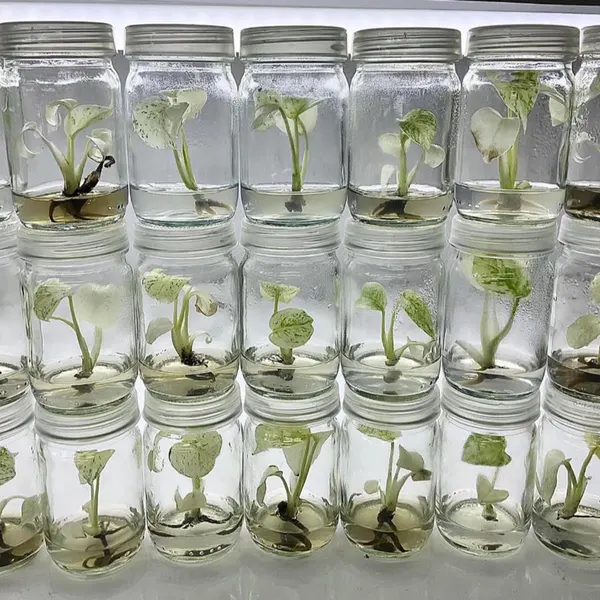
Tissue culture plants are tiny wonders. They come from a special science lab. Scientists grow them in jars or tubes. This way of growing is very clean. It helps make many healthy plants quickly. It is a modern farming magic trick. This process creates perfect copies of one parent plant. These tiny plants have many great uses. They are changing how we grow food. They also change how we keep our gardens beautiful.
What Are These Tiny Plants?
Many people wonder about these small sprouts. They ask what are tissue culture plants. These are plants grown from just a few cells. They can start from a small leaf piece. They might start from a tiny root bit. Scientists put these pieces on a special food. This food is like a thick jelly. It has all the nutrients the plant needs. It helps the plant grow without soil. This growth happens in a closed, sterile jar. It is a very safe and controlled space. The plants stay safe from bad germs. They avoid harmful pests this way.
A Secret Lab Method
The science behind this is neat. It is called micropropagation. The lab must be extremely clean. It must be cleaner than a hospital. This keeps out all bacteria. Even a tiny speck of dust is bad. The plant pieces grow under bright lights. The temperature is always just right. Each small piece can become a whole plant. Scientists can make thousands from one tiny sample. This is much faster than seeds. It is a very efficient way to farm. This method saves lots of time and space.
The Amazing Process: Tissue Culture in Plant Propagation
Growing plants this way is very exact. It is a true form of science. The entire process is a wonder to see. It is all about precise steps. This is how we use tissue culture in plant propagation. It helps make sure every plant is exactly the same. They all have the same great features.
Picking the Best Piece
The process starts with a parent plant. A grower picks the very best one. This plant must be very strong. It must also be free of all disease. A tiny piece is cut off. This small part is called an explant. It is usually taken from a growth tip. This area grows very fast.
The Sterile Environment
The explant goes into a clean place. It is put under a special hood. This hood blows clean, filtered air. The piece is washed with chemicals. This removes any tiny germs. The scientists wear clean gloves. They wear masks and lab coats. Everything must be totally sterile.
Life in a Petri Dish
Next, the tiny piece goes on the food jelly. This jelly has sugars for energy. It has vitamins and plant hormones. These hormones tell the cells what to do. They tell them to make roots. They tell them to grow small leaves. The plant grows inside the sealed jar. It slowly gets bigger and stronger. The plant is happy and healthy in its jar.
Bringing Them Home: Getting Your Tissue Culture Plants
These plants are very popular now. Many people want them for their homes. They are a great way to start a tank. You can get many plants at once.
Where to Find Them
You can easily find plant tissue cultures for sale. Special nurseries often sell them. Big online shops offer them, too. They are sold in small, sealed cups. These cups look almost like jam jars. They are very easy to ship safely. They travel well because they are small.
The Home Hobbyist
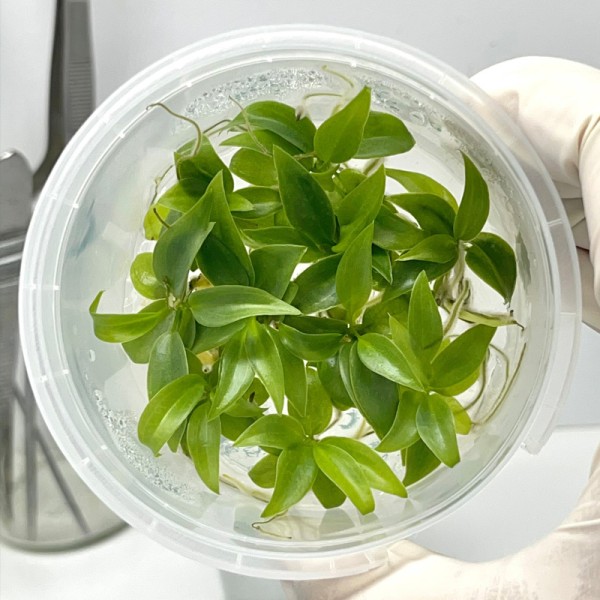
Some people like to try the science. They want to grow plants themselves. For them, plant tissue culture kits are available. These kits let people try the process. They come with media and tools. They include directions for growing. It is a fun and educational project. It is a safe way to learn the science.
Shopping at Big Stores
Even large pet stores stock them. You can find petsmart tissue culture plants. They are often used for aquariums. They help make a beautiful fish tank. Fish keepers love how clean they are. They do not bring in snails or pests. This keeps the fish tank very safe.
Helping Them Grow: Acclimation is Key
The plants in a jar live an easy life. The air is humid and very soft. They never need to worry about water. When you open the jar, things change. They must get used to the real world. You need to know how to acclimate tissue culture plants. Acclimation is a fancy word. It just means getting used to a new home. This step is very important.
The Big Move
Take the plants out of the jar slowly. Gently wash the jelly off the roots. Use clean, room-temperature water. Do not pull on the small roots. Plant the new tiny plants in soil or a pot. They are still very delicate now.
Slow and Gentle Care
The plants need high humidity first. You can use a clear plastic dome. A plastic bag works well, too. Keep them covered for one week. Slowly open the cover a little each day. This lets the plants get used to dry air. Keep the plants out of direct sun. Give them bright, gentle light. In a few weeks, they will be strong. They will be ready to grow big.
A Career with Tiny Plants: Tissue Culture Jobs
This science needs smart, careful people. There is a whole industry based on it. Many labs need good workers. Plant tissue culture jobs are available. These jobs are often in labs or big farms. They help the world grow better food.
What Scientists Do
Lab technicians follow exact steps. They mix the media perfectly. They prepare the small plant samples. Researchers try new methods. They find better ways to grow plants. They work to make disease-free plants. This is very important work for everyone.
Many Kinds of Work
You could work in a sterile lab. You could work on a big research farm. Maybe you will teach the science to others. You could sell the new plants to shops. There are many exciting ways to help. This career path is all about life. It is about growing a better future.
The Big Picture: Why We Use Tissue Culture Plants
These plants solve many big problems. They are a great tool for farming. They also help save rare plants. This is why tissue culture plants are so valuable. They are changing the world of agriculture.
Making Many Copies
This method is super fast. It can clone a great plant quickly. Farmers get thousands of the best plants. They all grow at the same speed. They all produce the same big crops. This means more food for everyone. It also means better flowers for our yards.
Keeping Plants Healthy
This process starts with clean cells. This means no diseases are passed on. A virus can ruin a whole farm. Tissue culture keeps the plants pure. They are born healthy and strong. This protects the farmer’s hard work. It helps save important plant types.
Future of Food
These small plants are a big part of the future. They help grow food in small spaces. They can grow food in hard climates. This science helps feed a growing planet. It is an amazing way to use science for good.
Challenges and Fun Facts
Even with all the benefits, things can be tricky. But there are also fun things to know. Learning about tissue culture plants is very interesting.
Things to Watch Out For
Sometimes the tiny plants get sick. The jar must stay totally clean. One mistake can spoil many jars. It takes careful, patient work. The acclimation process is also hard. The plants can die if moved too fast. You must follow the steps exactly.
Amazing Stories
Scientists have saved rare orchids. They used this method to clone them. Farmers grow perfect potatoes this way. New kinds of bananas are created, too. Tissue culture helps make the world better. It is a tiny step that makes a huge change.
Why This Science Matters: Huge Applications
The uses for these tiny plants are vast.This science is a tool for a healthier planet. It gives us perfect copies every time. It saves plants from being lost forever.
Better Crops for Farmers
Tissue culture is a great aid to farmers. It helps them get the very best plants. These plants are called elite clones. They have the best qualities of the parent. Maybe they grow bigger or faster. Maybe they can fight off diseases well. Farmers get many strong copies at once. This means they can grow more food. The food quality is also very high. This method is used for potatoes greatly. It is used for bananas and many fruit trees. It ensures a stable, reliable harvest.
Saving Rare and Special Plants
The world has many rare plant types. Some are hard to grow from seeds. Some are nearly gone from the wild. Tissue culture is a last hope for them. Scientists take a tiny piece from the last plant. They grow many copies in the lab jars. This saves the plant’s special genes. Orchids are often saved this way. Rare medicinal herbs are also protected. This method helps keep our planet diverse. It is plant conservation work in a jar.
Creating New and Stronger Plants
Tissue culture helps make new hybrids. Scientists can combine different plants. They can use the protoplast method. They can also change genes easily. This leads to new and better crops. Maybe a tomato that can handle salt. Maybe a corn that needs less water. This gives us better food choices. It helps farms adapt to climate changes. This science supports future food security.
Beautiful Flowers for All
This method is vital for flower growing. It helps mass produce beautiful blooms. Think of perfect, identical orchids. Think of a field of matching lilies. Tissue culture makes this possible. It creates thousands of new plants fast. These plants are always disease-free. This is important for high-end flowers. Growers need perfect plants to sell. It keeps the cost of flowers lower. This lets more people enjoy their beauty.
The Good and The Hard: Benefits and Limitations
Like all great tools, this science has pros and cons. It is a powerful method but not perfect. Understanding both parts is very important. It helps us use the technique wisely. The benefits often outweigh the problems. But the challenges must be respected always.
The Great Advantages
The biggest benefit is rapid cloning. We get many plants from one source fast. A small lab takes up little space. It can still produce millions of plants. The plants are also disease-free always. This is a massive win for farming. It stops the spread of plant viruses. This saves farmers from huge crop loss. Shipping the plants is also very easy. The small jars are light and compact. This lowers the cost of transport greatly. It also helps trade plants globally. Finally, this method preserves genes. It keeps a perfect copy of the parent plant.
The Difficult Challenges
Tissue culture is quite expensive to start. Setting up a sterile lab costs much money. The equipment needed is very complex. It takes highly trained people to run it. The media and supplies also cost money. This makes the initial plant cost higher. The plants are also very delicate. They need extreme care when being moved. If the process is not perfect, it fails.
Another issue is genetic change. Sometimes the cells change unexpectedly. This is called somaclonal variation. It means the new plant is not a perfect copy. It might have a bad, new trait. This happens mostly in long-term cultures. Scientists work hard to prevent this. They try to keep the clones stable. This needs constant checking and testing. The careful work ensures success.
Advanced Uses: Beyond Basic Plants
Tissue culture is used for many special things. Scientists use it in advanced research. It is a key tool for plant medicine. It helps produce useful compounds. This goes far beyond just growing a garden.
Plant Chemicals for Health
Plants make many useful chemicals. They are called secondary metabolites. Things like flavors and medicines are made. Vanilla flavor is one example. Some anti-cancer drugs come from plants. Growing whole plants takes much time. Tissue culture speeds up the process. Scientists use suspension culture for this. They grow the needed cells in liquid. They harvest the chemical from the liquid. This is a fast, clean way to produce medicine. It saves rare plants from over-harvesting.
Storing Plant Genes
This method is also used for gene banks. Gene banks save plant types for the future. They keep seeds and cuttings safe. Tissue culture helps in cryopreservation. Cryopreservation means freezing cells. Tiny shoot tips are frozen in liquid nitrogen. They stay safe for a very long time. They can be thawed and regrown later. This saves plant genes from extinction. It is like a seed vault, but for cells.
Making Better Forest Trees
Forests are vital for our planet. We need very strong, fast-growing trees. Tissue culture helps clone the best trees. Scientists can clone a tree with great wood. They can clone a tree that fights pests well. They can make thousands of these trees fast. This helps replant forests quickly. It makes the new forests very strong. This is very important for the future.
Looking Ahead: The Future of Tiny Plants
This science keeps getting better every day. New methods are being developed now. Scientists want to make it cheaper. They want to make it easier for everyone. This will change farming even more. New tools will help automate the labs. Robots will do the repetitive work. This will lower the total cost greatly.
The Power of the Tiny Jar: A Final Look
The entire journey has shown this clearly. Tissue culture plants are truly amazing. This small science is a modern marvel indeed. We learned how tiny cells start growing. They live a sterile life inside a clean jar. This lab method clones plants perfectly now. It gives us strong, clean, identical copies. This speed is helpful for farmers greatly. This careful work gives us healthy plants. This science is a powerful aid to nature.
We explored the process in great depth here. We saw tissue culture in plant propagation clearly. It is the best way to get clean plants fast. We looked at the critical growing steps. We studied the roles of plant hormones. These hormones tell cells what to become. Auxins push the plant to grow roots now. Cytokinins tell the plant to make shoots. The right balance is everything inside. We saw the common problems of the lab. Browning and contamination are big threats always. Sterile technique is needed to avoid them. The result is pure, virus-free material. This helps farmers get bigger, better harvests.
A Secret Lab Method
The science behind this is neat. It is called micropropagation. The lab must be extremely clean. It must be cleaner than a hospital. This keeps out all bacteria. Even a tiny speck of dust is bad. The plant pieces grow under bright lights. The temperature is always just right. Each small piece can become a whole plant. Scientists can make thousands from one tiny sample. This is much faster than seeds. It is a very efficient way to farm. This method saves lots of time and space.
The Amazing Process: Tissue Culture in Plant Propagation
Growing plants this way is very exact. It is a true form of science. The entire process is a wonder to see. It is all about precise steps. This is how we use tissue culture in plant propagation. It helps make sure every plant is exactly the same. They all have the same great features.
Picking the Best Piece
The process starts with a parent plant. A grower picks the very best one. This plant must be very strong. It must also be free of all disease. A tiny piece is cut off. This small part is called an explant. It is usually taken from a growth tip. This area grows very fast.
The Sterile Environment
The explant goes into a clean place. It is put under a special hood. This hood blows clean, filtered air. The piece is washed with chemicals. This removes any tiny germs. The scientists wear clean gloves. They wear masks and lab coats. Everything must be totally sterile.
Life in a Petri Dish
Next, the tiny piece goes on the food jelly. This jelly has sugars for energy. It has vitamins and plant hormones. These hormones tell the cells what to do. They tell them to make roots. They tell them to grow small leaves. The plant grows inside the sealed jar. It slowly gets bigger and stronger. The plant is happy and healthy in its jar.
Bringing Them Home: Getting Your Tissue Culture Plants
These plants are very popular now. Many people want them for their homes. They are a great way to start a tank. You can get many plants at once.
Where to Find Them
You can easily find plant tissue cultures for sale. Special nurseries often sell them. Big online shops offer them, too. They are sold in small, sealed cups. These cups look almost like jam jars. They are very easy to ship safely. They travel well because they are small.
The Home Hobbyist
Some people like to try the science. They want to grow plants themselves. For them, plant tissue culture kits are available. These kits let people try the process. They come with media and tools. They include directions for growing. It is a fun and educational project. It is a safe way to learn the science.
Shopping at Big Stores
Even large pet stores stock them. You can find petsmart tissue culture plants. They are often used for aquariums. They help make a beautiful fish tank. Fish keepers love how clean they are. They do not bring in snails or pests. This keeps the fish tank very safe.
Helping Them Grow: Acclimation is Key
The plants in a jar live an easy life. The air is humid and very soft. They never need to worry about water. When you open the jar, things change. They must get used to the real world. You need to know how to acclimate tissue culture plants. Acclimation is a fancy word. It just means getting used to a new home. This step is very important.
The Big Move
Take the plants out of the jar slowly. Gently wash the jelly off the roots. Use clean, room-temperature water. Do not pull on the small roots. Plant the new tiny plants in soil or a pot. They are still very delicate now.
Slow and Gentle Care
The plants need high humidity first. You can use a clear plastic dome. A plastic bag works well, too. Keep them covered for one week. Slowly open the cover a little each day. This lets the plants get used to dry air. Keep the plants out of direct sun. Give them bright, gentle light. In a few weeks, they will be strong. They will be ready to grow big.
A Career with Tiny Plants: Tissue Culture Jobs
This science needs smart, careful people. There is a whole industry based on it. Many labs need good workers. Plant tissue culture jobs are available. These jobs are often in labs or big farms. They help the world grow better food.
What Scientists Do
Lab technicians follow exact steps. They mix the media perfectly. They prepare the small plant samples. Researchers try new methods. They find better ways to grow plants. They work to make disease-free plants. This is very important work for everyone.
Many Kinds of Work
You could work in a sterile lab. You could work on a big research farm. Maybe you will teach the science to others. You could sell the new plants to shops. There are many exciting ways to help. This career path is all about life. It is about growing a better future.
The Big Picture: Why We Use Tissue Culture Plants
These plants solve many big problems. They are a great tool for farming. They also help save rare plants. This is why tissue culture plants are so valuable. They are changing the world of agriculture.
Making Many Copies
This method is super fast. It can clone a great plant quickly. Farmers get thousands of the best plants. They all grow at the same speed. They all produce the same big crops. This means more food for everyone. It also means better flowers for our yards.
Keeping Plants Healthy
This process starts with clean cells. This means no diseases are passed on. A virus can ruin a whole farm. Tissue culture keeps the plants pure. They are born healthy and strong. This protects the farmer’s hard work. It helps save important plant types.
Future of Food
These small plants are a big part of the future. They help grow food in small spaces. They can grow food in hard climates. This science helps feed a growing planet. It is an amazing way to use science for good.
Challenges and Fun Facts
Even with all the benefits, things can be tricky. But there are also fun things to know. Learning about tissue culture plants is very interesting.
Things to Watch Out For
Sometimes the tiny plants get sick. The jar must stay totally clean. One mistake can spoil many jars. It takes careful, patient work. The acclimation process is also hard. The plants can die if moved too fast. You must follow the steps exactly.
Amazing Stories
Scientists have saved rare orchids. They used this method to clone them. Farmers grow perfect potatoes this way. New kinds of bananas are created, too. Tissue culture helps make the world better. It is a tiny step that makes a huge change.
Why This Science Matters: Huge Applications
The uses for these tiny plants are vast.This science is a tool for a healthier planet. It gives us perfect copies every time. It saves plants from being lost forever.
Better Crops for Farmers
Tissue culture is a great aid to farmers. It helps them get the very best plants. These plants are called elite clones. They have the best qualities of the parent. Maybe they grow bigger or faster. Maybe they can fight off diseases well. Farmers get many strong copies at once. This means they can grow more food. The food quality is also very high. This method is used for potatoes greatly. It is used for bananas and many fruit trees. It ensures a stable, reliable harvest.
Saving Rare and Special Plants
The world has many rare plant types. Some are hard to grow from seeds. Some are nearly gone from the wild. Tissue culture is a last hope for them. Scientists take a tiny piece from the last plant. They grow many copies in the lab jars. This saves the plant’s special genes. Orchids are often saved this way. Rare medicinal herbs are also protected. This method helps keep our planet diverse. It is plant conservation work in a jar.
Creating New and Stronger Plants
Tissue culture helps make new hybrids. Scientists can combine different plants. They can use the protoplast method. They can also change genes easily. This leads to new and better crops. Maybe a tomato that can handle salt. Maybe a corn that needs less water. This gives us better food choices. It helps farms adapt to climate changes. This science supports future food security.
Beautiful Flowers for All
This method is vital for flower growing. It helps mass produce beautiful blooms. Think of perfect, identical orchids. Think of a field of matching lilies. Tissue culture makes this possible. It creates thousands of new plants fast. These plants are always disease-free. This is important for high-end flowers. Growers need perfect plants to sell. It keeps the cost of flowers lower. This lets more people enjoy their beauty.
The Good and The Hard: Benefits and Limitations
Like all great tools, this science has pros and cons. It is a powerful method but not perfect. Understanding both parts is very important. It helps us use the technique wisely. The benefits often outweigh the problems. But the challenges must be respected always.
The Great Advantages
The biggest benefit is rapid cloning. We get many plants from one source fast. A small lab takes up little space. It can still produce millions of plants. The plants are also disease-free always. This is a massive win for farming. It stops the spread of plant viruses. This saves farmers from huge crop loss. Shipping the plants is also very easy. The small jars are light and compact. This lowers the cost of transport greatly. It also helps trade plants globally. Finally, this method preserves genes. It keeps a perfect copy of the parent plant.
The Difficult Challenges
Tissue culture is quite expensive to start. Setting up a sterile lab costs much money. The equipment needed is very complex. It takes highly trained people to run it. The media and supplies also cost money. This makes the initial plant cost higher. The plants are also very delicate. They need extreme care when being moved. If the process is not perfect, it fails.
Another issue is genetic change. Sometimes the cells change unexpectedly. This is called somaclonal variation. It means the new plant is not a perfect copy. It might have a bad, new trait. This happens mostly in long-term cultures. Scientists work hard to prevent this. They try to keep the clones stable. This needs constant checking and testing. The careful work ensures success.
Advanced Uses: Beyond Basic Plants
Tissue culture is used for many special things. Scientists use it in advanced research. It is a key tool for plant medicine. It helps produce useful compounds. This goes far beyond just growing a garden.
Plant Chemicals for Health
Plants make many useful chemicals. They are called secondary metabolites. Things like flavors and medicines are made. Vanilla flavor is one example. Some anti-cancer drugs come from plants. Growing whole plants takes much time. Tissue culture speeds up the process. Scientists use suspension culture for this. They grow the needed cells in liquid. They harvest the chemical from the liquid. This is a fast, clean way to produce medicine. It saves rare plants from over-harvesting.
Storing Plant Genes
This method is also used for gene banks. Gene banks save plant types for the future. They keep seeds and cuttings safe. Tissue culture helps in cryopreservation. Cryopreservation means freezing cells. Tiny shoot tips are frozen in liquid nitrogen. They stay safe for a very long time. They can be thawed and regrown later. This saves plant genes from extinction. It is like a seed vault, but for cells.
Making Better Forest Trees
Forests are vital for our planet. We need very strong, fast-growing trees. Tissue culture helps clone the best trees. Scientists can clone a tree with great wood. They can clone a tree that fights pests well. They can make thousands of these trees fast. This helps replant forests quickly. It makes the new forests very strong. This is very important for the future.
Looking Ahead: The Future of Tiny Plants
This science keeps getting better every day. New methods are being developed now. Scientists want to make it cheaper. They want to make it easier for everyone. This will change farming even more. New tools will help automate the labs. Robots will do the repetitive work. This will lower the total cost greatly.
The Power of the Tiny Jar: A Final Look
The entire journey has shown this clearly. Tissue culture plants are truly amazing. This small science is a modern marvel indeed. We learned how tiny cells start growing. They live a sterile life inside a clean jar. This lab method clones plants perfectly now. It gives us strong, clean, identical copies. This speed is helpful for farmers greatly. This careful work gives us healthy plants. This science is a powerful aid to nature.
We explored the process in great depth here. We saw tissue culture in plant propagation clearly. It is the best way to get clean plants fast. We looked at the critical growing steps. We studied the roles of plant hormones. These hormones tell cells what to become. Auxins push the plant to grow roots now. Cytokinins tell the plant to make shoots. The right balance is everything inside. We saw the common problems of the lab. Browning and contamination are big threats always. Sterile technique is needed to avoid them. The result is pure, virus-free material. This helps farmers get bigger, better harvests.
Frequently Asked Questions (FAQ)
About Tissue Culture Plants
Q: What are tissue culture plants?
A: They are special tiny plants. Scientists grow them in a clean lab. They use very small pieces of a mother plant. They are perfect, healthy clones.
Q: Why do growers use this method?
A: It makes plants very fast. The plants are clean and disease-free. They are all exactly the same. This is good for farming and science.
Q: Are tissue culture plants clones?
A: Yes, they are perfect clones. They are copies of the parent plant. They have the same exact traits. This keeps the best plants alive.
Q: What is the jelly-like food they grow on?
A: It is called the culture medium. It is a special jelly food. It has sugar for energy. This food is very important.
Q: Can I grow my own tissue culture plants?
A: Yes, you can try this at home. You can buy special plant tissue culture kits. You must keep everything very clean. Cleanliness is the most important rule.
Buying and Acclimating Plants
Q: Where can I buy these special plants?
A: Many companies sell plant tissue cultures for sale. You can find them in nurseries. Some pet stores also sell them. Look for sealed jars or cups.
Q: Why do pet stores sell tiny plants in cups?
A: Petsmart tissue culture plants are often aquatic. They are for fish tanks and aquariums. They are guaranteed to be clean. This means no snails or pests are inside.
Q: What is acclimation?
A: Acclimation means getting used to a new place. It is the move from the jar to soil. The plants must adjust to dry air. This process is called hardening off.
Q: How do I acclimate my new plants?
A: You must learn how to acclimate tissue culture plants. Wash off all the jelly food first. Plant them in clean soil. Cover them with a dome or bag. Slowly let in outside air over weeks.
Q: What happens if I skip acclimation?
A: The plant will likely dry out fast. It will be too weak to survive. The dry air hurts the delicate leaves. Acclimation is a necessary step.
Science and Career
Q: How does tissue culture help rare plants?
A: Tissue culture in plant propagation makes clones. It makes many new plants from a small piece. This helps save plants from extinction. It is important for conservation efforts.
Q: Is the lab work difficult?
A: It requires great attention to detail. Every step must be very clean. Scientists must follow strict rules. It is a precise kind of work.
Q: What kind of jobs are available in this field?
A: There are many plant tissue culture jobs. You can work as a lab technician. You can be a plant scientis. It is a great science career path.