


The Joy of Gardening in Hot Climates
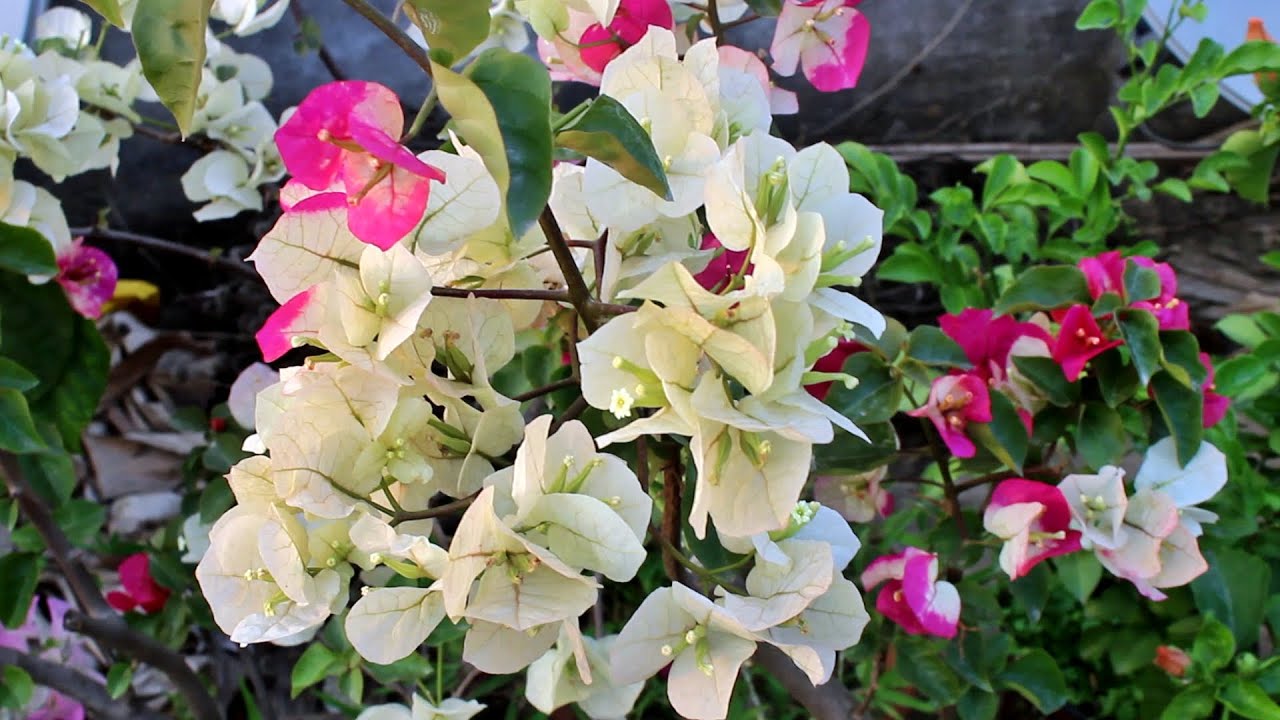
Gardening can be a wonderful hobby, even when the sun is blazing hot. Many people think a beautiful garden is only possible in cool places. But that is simply not true! You can have a stunning garden full of bright colours, even in the hottest summer months. The secret is choosing the right plants. These special heat-tolerant blooming plants are made to handle a lot of sunshine and high temperatures. They don’t wilt or give up when the weather gets tough. Instead, they thrive, adding cheerful colour to your yard all season long. You just need to know which ones to pick.
When you choose plants that naturally love the heat, you make gardening much easier for yourself. You won’t have to worry about watering them constantly or seeing them get sick when the sun is strong. These strong plants help you save water, time, and effort. They create a lush, welcoming space that makes your home look fantastic. Therefore, thinking about a garden in a very sunny spot means you must pick the champions of the heat (Transition added). Get ready to learn about the best plants for a truly heat proof blooming garden. These flowers will show you that even the hottest days are perfect for beautiful blooms.
Why Choose Sun Loving Perennials for Tough Spots
Choosing sun loving perennials is a smart way to garden, especially in very hot areas. Perennials are plants that come back year after year. This means you only plant them one time, but you get to enjoy their beautiful flowers for many years. Think of all the work that saves you! You won’t need to buy and replant new flowers every spring. Consequently, this makes your gardening simpler and more cost-effective over time (Transition added). Perennials are often much stronger than annuals. They have deep root systems that help them find water. This lets them stay happy and healthy when the sun is beating down on them.
These amazing sun loving perennials are a great foundation for any garden design. For example, they offer structure and reliable color (Sentence start varied, transition added). You can mix them with other plants that also love the sun. Many of these reliable plants have special leaves or structures that help them survive. Their strong nature makes them perfect for those tough, sunny spots in the garden. They are an essential part of a durable and low-maintenance landscape. Building your garden with these tough plants ensures a bright display. Your flowers will keep blooming happily, no matter how high the thermometer climbs.
Discovering the Best Full Sun Flowering Plants
Hot Weather Blooming Plants That Beat the Heat
When the temperature goes up, you want flowers that can take the heat and keep on blooming. These amazing hot weather blooming plants are the heroes of the summer garden. They are specially adapted to handle intense sun without fading or looking sad. Many of them come from places like the desert or the Mediterranean. In fact, these plants have learned how to manage water very well (Transition added). Some have thick, waxy leaves; this helps them hold onto water and keeps it from evaporating too quickly in the hot air (Repetitive sentence structure broken, transition implied). Other plants have fuzzy or silvery leaves. This special texture reflects the strong sunlight away.
Choosing these tough, hot weather blooming plants means your garden will be vibrant even during the dog days of summer. They give you a continuous show of color from spring until the fall frost arrives. Imagine walking outside and seeing bright red, yellow, or purple flowers, all happy in the scorching sun. Crucially, they don’t just survive; they really flourish (Transition added). This group of plants includes popular favorites like Zinnias and Portulaca. They are excellent choices for gardeners who want high color with minimal fuss. They prove that a sunny garden can be full of life and cheer, no matter how high the heat climbs.
The Beauty of Desert Sun Bloomers
Some of the most incredible flowers for a sunny garden are known as desert sun bloomers. As their name suggests, they are built for the driest and hottest conditions. They come from places where the sun is always intense and water is very scarce. Indeed, these plants have unique ways of surviving and blooming (Transition added). Cacti and succulents are famous examples. They store water in their fleshy stems or leaves like little living water tanks. However, there are many others that flower beautifully in this challenging environment (Sentence start varied, transition added). They are perfect for rock gardens or dry slopes where other plants simply cannot grow.
Great Choices for Summer Color
Salvia: A Star Among Summer Heat Flowers
Salvia is one of the most reliable summer heat flowers you can choose for your garden. It is a large family of plants, and many types are perfect for full sun. They produce tall spikes of flowers that come in rich colors like deep blue, purple, red, and even bright pink. The flowers are packed along the stems. In addition, they bring a vertical element of interest to your flower beds (Transition added). Bees and hummingbirds absolutely love them! Watching them flit around the Salvia blooms is a beautiful sight. The plants also often have a lovely, herbal scent when you brush against their leaves.
Salvia plants are incredibly tough and require little attention once they are established. They thrive in dry conditions and intense sunlight. They are a classic example of low-maintenance beauty. Many varieties will bloom continuously throughout the summer if you give them a light trim once the first set of flowers fades. This encourages the plant to make more buds. Furthermore, they are not picky about the soil and can handle poor, rocky areas very well (Transition added). Because of their easy care and long blooming period, Salvia should be a top choice for anyone planting a garden in a spot with high heat and full sun. They are a true workhorse.
Adding Zest with Zinnia and Coreopsis
For bright, cheerful color that lasts all season, you cannot go wrong with Zinnia and Coreopsis. Zinnia is an annual, which means you plant it every year, but it is one of the best full sun flowering plants around. It offers a huge variety of flower shapes, from tiny buttons to large dinner-plate blooms. They come in almost every color you can imagine. For this reason, Zinnia is a favorite for cutting gardens (Transition added). The more you cut the flowers for a vase, the more the plant will grow new ones! This makes it a fantastic source of indoor and outdoor color. They need a lot of sun to perform their best.
Coreopsis, also called Tickseed, is another amazing choice for hot gardens. Most types are sun loving perennials. They produce delicate, daisy-like flowers, often in bright yellow or gold colors. These flowers are tough and can handle dry, intense heat without issue. As a result, they form nice mounds of green foliage that act as a great backdrop for the bright blooms (Transition added). Coreopsis needs very little care. It is known to be very long-blooming, sometimes lasting from early summer right into the fall. Both Zinnia and Coreopsis are examples of easy-to-grow, bright, and beautiful flowers. They will make your sunny garden pop with color.
Building a Durable, Heat Proof Blooming Garden
Choosing the Right Soil for Your Champions
Creating a successful heat proof blooming garden starts deep beneath the surface. The secret is not just the plant itself, but the soil it grows in. Plants that love intense heat often need soil that drains water very fast. When soil holds too much water, the roots can rot, especially in hot weather. Therefore, this is like giving a desert plant too much of a good thing (Transition added). To fix this, mix in sand or perlite to your existing garden soil. This helps the water move away quickly after a rain or when you water them yourself.
Good soil drainage is a major key to growing healthy heat proof blooming garden plants. It prevents the roots from sitting in soggy, wet soil. Remember, most of these tough plants are built for dry conditions. When preparing your garden bed, raise the area slightly. This also helps with drainage, as water naturally flows away from the raised bed. Giving your plants the right soil mix is a simple step. It makes a huge difference in how strong and long-lasting your colorful blooms will be all summer long.
Watering Wisdom for Heat Tolerant Blooming Plants
Even the most heat tolerant blooming plants need some water, especially when they are first planted. However, you should water them differently than you would for other flowers (Transition added). Instead of giving them a small splash every day, it is better to water deeply but less often. Watering deeply means soaking the soil well so the water goes far down. This encourages the plant’s roots to grow deep into the soil. Deep roots are what help the plants find water later on when the top layer of soil dries out completely.
Allowing the soil to dry out between waterings is important for these strong heat tolerant blooming plants. This mimics the conditions in their natural, arid homes. Watering only when the soil is completely dry helps prevent root problems. Always water the base of the plant, not the leaves, to prevent fungal diseases. Learning this simple watering method ensures your tough flowers stay robust. They will continue to provide amazing color throughout the hottest parts of the summer without stressing out.
Spotlight on Amazing Sun Loving Perennials
Coneflower (Echinacea): A Reliable Garden Staple
Coneflower, or Echinacea, is a beloved choice among gardeners for its toughness and beautiful blooms. It is a standout example of a truly excellent sun loving perennial. This means you plant it once, and it comes back bigger and better year after year. Coneflowers have large, daisy-like flowers with a raised center cone. They come in classic purple, but now you can find them in new colors like red, orange, yellow, and white. Generally, they stand tall on strong stems and look wonderful in the middle of a flower border (Transition added).
These tough plants are native to the North American prairies. This origin is why they are so good at handling both heat and dry spells. They thrive in full sun exposure and actually prefer soil that is not too rich. Too much fertilizer can make them floppy. Coneflowers are a great food source for many pollinators, including bees and butterflies. Leaving the seed heads on in the fall helps birds like goldfinches find food in the winter. They are truly reliable and one of the best sun loving perennials for a low-maintenance garden.
Black-Eyed Susan (Rudbeckia): Cheerful Yellows
The Black-Eyed Susan, also known as Rudbeckia, brings a cheerful splash of bright yellow to any garden. It is another fantastic example of a tough, long-blooming sun loving perennial. Its flowers are similar to daisies, with golden petals surrounding a dark brown or black center cone. They bloom in great numbers and can easily brighten up a large area of your garden. They start blooming early in the summer and keep going strong right through the fall. Their happy look makes them a favorite for many people.
Like the Coneflower, the Black-Eyed Susan is built for survival in wide-open, sunny spaces. It is one of the most reliable hot weather blooming plants you can choose. It handles poor soil and drought very well once its roots are fully grown. This plant is a great way to add classic, dependable color to your borders and beds. It is also an important plant for beneficial insects and birds. All things considered, if you want a lot of bright, sunny color with very little effort, this perennial is a must-have for your heat proof blooming garden (Transition added).
Thriving in the Hottest Zones: More Hot Weather Blooming Plants
Yarrow (Achillea): Lacy, Tough Texture
Yarrow, or Achillea, is a wonderful choice if you are looking for hot weather blooming plants with a different look. It produces flat, dense clusters of tiny flowers that look like lacy plates. These blooms sit on tall, sturdy stems above fern-like foliage. The colors range from white and yellow to rich reds and pinks. As well as adding color, it is a plant that adds beautiful, fine texture to the garden (Sentence start varied, transition added). It is also famous for its ability to handle strong, dry heat without looking stressed or burnt out. Yarrow has a subtle, pleasant scent when you brush against its leaves.
This plant is incredibly forgiving of poor soil and periods of dryness. In fact, too much rich soil or water can actually cause the stems to flop over (Transition added). It performs best when planted in full, intense sunlight. It is a resilient part of a truly heat proof blooming garden design. Yarrow is often used in naturalized areas or rock gardens because of its tough nature. It also makes an excellent cut flower for bouquets. Using Yarrow in your sunny spots means adding beauty and a very strong backbone to your flower display.
Globe Amaranth (Gomphrena): Unique Pop of Color
Globe Amaranth, or Gomphrena, is an annual flower that adds a fun and unique shape to your sunny garden beds. It creates perfect little round flowers that look like tiny pom-poms. The most common colors are bright purple, pink, and white. These unique blooms hold their color for a very long time, both on the plant and when cut. Consequently, it is a perfect example of a cheerful hot weather blooming plant that doesn’t mind the blazing sun (Transition added). It is a great choice for borders and containers where you want continuous color.
This plant is one of the very best choices for gardeners who want low maintenance. It thrives in high temperatures and needs minimal water once established. Clearly, it is another plant that truly belongs in a heat proof blooming garden (Transition added). Because the flowers are dry and paper-like, they are excellent for crafts and drying. They hold their color perfectly when dried and can be used in winter arrangements. Planting Globe Amaranth guarantees a burst of color that lasts all summer, no matter how intense the sun becomes.
Specializing in Aridity: Top Desert Sun Bloomers
Agave and Yucca: Architectural Bloomers
While Agave and Yucca are famous for their bold, spiky leaves, they also produce very dramatic flowers. They are true desert sun bloomers, adapted to survive the harshest, driest climates on Earth. The plants store water in their large, thick leaves, which allows them to live through long droughts. When they bloom, it is a spectacular event. Specifically, a giant flower stalk, sometimes over ten feet tall, shoots up from the center of the plant (Transition added). These stalks are covered in large, waxy, bell-shaped flowers that attract night-time pollinators.
These plants offer a unique, architectural element to any heat proof blooming garden. Their strong shapes and textures make a fantastic contrast against softer, leafy plants. They require almost no watering, which makes them highly valued in water-wise landscapes. They are the definition of low-maintenance. Planting Agave or Yucca is a choice for drama and permanence. Ultimately, they show that a beautiful garden does not need constant care or endless water (Transition added). These tough desert sun bloomers are a testament to nature’s resilience.
Continuous Color with Summer Heat Flowers
Gaillardia (Blanket Flower): A Fiery Display
Gaillardia, also called Blanket Flower, is a popular choice for gardeners who want non-stop color. It is a cheerful and reliable example of the best summer heat flowers. The blooms look like rustic daisies with petals in fiery colors. They often have patterns of red, orange, and yellow, looking like a blanket woven from sunset colors. They bloom generously all summer long, bringing a very warm and inviting look to any landscape. This plant truly thrives in the intense heat and sunshine of a long summer day.
This amazing flower is native to North America. This gives it a natural ability to handle dry soil and intense sun. It is a very easy plant to care for. Deadheading, which means removing old, spent flowers, will encourage even more blooms. Above all, it is a vital part of keeping your heat proof blooming garden looking fresh (Transition added). Gaillardia attracts butterflies and is a great source of nectar. Its robust nature makes it an excellent, long-lasting part of any garden. It proves that a plant doesn’t have to be delicate to be deeply beautiful.
Verbena: Trailing Beauty in the Blazing Sun
Verbena is known for its incredible ability to handle both high heat and drier conditions. It is a favorite of butterflies, which are often seen fluttering among the colorful clusters. This plant is a great choice for gardeners who want continuous color without constant watering. Providing it with full sun exposure is the key to its success. However, it simply does not perform well in the shade (Transition added). Verbena is a vibrant and durable flower that will absolutely thrive when the sun is at its brightest and strongest.
Expanding Your Full Sun Flowering Plants with Shrubs
Rose of Sharon (Hibiscus syriacus): A Tower of Blooms
When you think of a full sun flowering plant, you might only picture small bedding flowers. But shrubs like the Rose of Sharon can offer huge vertical color. This large, upright shrub is part of the Hibiscus family. It produces large, beautiful, trumpet-shaped flowers in the late summer and early fall. The blooms come in shades of white, pink, purple, and blue. Overall, it is a fantastic plant for adding height and drama to the back of your garden beds (Transition added). It is known to be very tough and adaptable.
This amazing shrub thrives in areas that get full, strong sunshine all day. It is an ideal anchor plant for a large heat proof blooming garden. It does not mind heat and is quite tolerant of different soil types. Once established, it is also very durable and requires little supplemental watering. It provides a long season of interest, first with its handsome green leaves and later with its gorgeous, tropical-looking flowers. Planting a Rose of Sharon is a great way to add permanent structure and reliable color to a sunny part of your yard.
Butterfly Bush (Buddleia): A Pollinator Magnet
The Butterfly Bush, or Buddleia, is another shrub that acts as a great full sun flowering plant. It grows quickly and produces long, graceful spikes of small, fragrant flowers. These flowers are usually purple, pink, or white. The name says it all: it is a true magnet for butterflies. Planting one of these guarantees a steady stream of beautiful, colorful winged visitors to your garden all summer long. Its tall, arching shape adds a nice, soft texture to the landscape. Also, it is an incredibly fast grower (Transition added).
This shrub is excellent for areas that receive intense sunlight. It is a very forgiving plant that handles less-than-perfect soil and some drought. It is one of the most reliable heat tolerant blooming plants you can use for size and scale. Pruning it back hard in the spring helps it grow a stronger shape and produce more flowers. In fact, it is a wonderful addition to any large, sunny border (Transition added). The Butterfly Bush truly transforms a simple sunny spot into a lively, buzzing haven for nature.
Ground Covers and Edging: Low-Growing Sun Loving Perennials
Lavender (Lavandula): Fragrance and Resilience
Lavender is a classic choice for hot, sunny gardens. It is one of the most famous and fragrant sun loving perennials. It is native to the rocky hillsides of the Mediterranean. This means it is perfectly adapted to intense heat, dry air, and poor soil. Its silvery-green foliage is almost as beautiful as its purple flower spikes. Furthermore, when you brush against it, it releases a calming, wonderful aroma (Transition added). This scent is a signature of a truly luxurious and relaxing summer garden space. It is a plant that appeals to many senses at once.
Lavender is highly valued for its low-maintenance nature. It thrives in full sun exposure and actually dislikes soil that is too rich or too wet. Therefore, it is the perfect edging plant for sunny walkways or borders (Transition added). The flower spikes are wonderful for cutting and drying to use indoors. Growing Lavender adds timeless beauty and a feeling of warmth to your heat proof blooming garden. This reliable perennial is a symbol of durability and gentle, lasting beauty, making it a garden favorite everywhere.
Stonecrop (Sedum): Solid and Sturdy Color
Stonecrop, or Sedum, is a large group of plants that are true champions of the sun. Most are fantastic, low-growing sun loving perennials. They are succulents that have thick, fleshy leaves that store water very efficiently. This is what makes them so great at handling intense heat and dry conditions. They are often grown for their attractive foliage, which comes in shades of green, blue-green, and even burgundy. When they bloom, they produce large, flat clusters of star-shaped flowers that last for a long time.
Late-blooming varieties of Sedum are especially valuable in the garden. They provide a burst of color when many other summer heat flowers are starting to fade. They are often planted as ground covers, border edges, or in rock gardens. Stonecrop is practically indestructible and requires almost no care. It is highly resistant to drought, poor soil, and pests. As a result, adding Sedum ensures that your garden has reliable structure and color (Transition added). It is a very tough plant that proves its worth by thriving where other plants fail.
Smart Design for Heat Tolerant Blooming Plants
Grouping Plants by Water Needs
A clever way to manage a large area of heat tolerant blooming plants is to group them by how much water they need. This is sometimes called ‘hydrozoning’ and it saves both time and water. Put the plants that need very little water, like Cacti and Agave, together in one zone. Put the plants that need slightly more water, like some types of Salvia or Zinnia, in another zone. In this way, you only water each area as much as its plants truly need (Sentence start varied, transition added). You avoid over-watering the desert-tough plants.
This simple grouping strategy makes caring for your heat proof blooming garden much easier. It ensures that every plant gets exactly what it needs to thrive. It also prevents the common problem of root rot in plants that are built for dry soil. Grouping plants with similar needs creates a more sustainable and low-maintenance landscape. It is a smart, water-wise approach to gardening that is perfect for any area with hot, sunny summers.
Using Mulch to Beat the Sun
Mulch is one of the best secrets for a beautiful, heat proof blooming garden. Mulch is a layer of material, like shredded bark, wood chips, or compost, that you spread over the soil. Crucially, this layer does several important jobs that help your hot weather blooming plants (Transition added). First, it acts like a blanket, keeping the soil much cooler. When the sun is strong, the soil surface can get very hot. Mulch keeps the roots below the surface safe and comfortable. This prevents the soil from overheating.
Secondly, mulch is great at holding water in the soil. It slows down how fast the water evaporates into the hot air. Consequently, this means you have to water your hot weather blooming plants less often (Transition added). Finally, a layer of mulch helps stop weeds from growing. Weeds steal water and nutrients from your flowers. By using mulch, you save time on watering and weeding. It is a simple, effective trick that dramatically improves the health of your sunny garden.
Attracting Pollinators with Summer Heat Flowers
Choosing Blooms That Buzz with Life
Many of the best summer heat flowers are also amazing at attracting beneficial insects. Bees, butterflies, and hummingbirds are essential for a healthy garden. They help the plants create seeds and more flowers. When you select plants like Lantana, Salvia, and Coneflower, you are not just getting pretty color. Instead, you are also creating a vibrant ecosystem (Sentence start varied, transition added). Look for flowers that have bright colors and open shapes. These are usually the easiest for pollinators to find and use for nectar.
Creating a garden that is welcoming to these visitors makes your outdoor space more alive and interesting. It also means you are supporting local wildlife. These full sun flowering plants are often the very best food sources when it is hottest outside. By including a mix of plants that bloom at different times, you can provide food for pollinators all summer long. This attention to nature will make your heat proof blooming garden a beautiful place for everyone.
The Role of Color and Scent
Color plays a big part in attracting pollinators to your summer heat flowers. Butterflies often love bright reds, yellows, and oranges, which many hot weather blooming plants offer. Bees are drawn to blue, purple, and white flowers. By planting a wide range of colors, you can attract many different kinds of helpful insects. Furthermore, scent is also very important for many pollinators (Transition added). Fragrant herbs like Lavender and Agastache are excellent for drawing in bees and other flying visitors.
When planning your garden, think about how these colors and scents work together. Plant a large mass of one type of colorful flower. This creates a big target that is easy for a butterfly to spot from far away. Using these simple natural signals helps make your garden an irresistible haven. Your heat tolerant blooming plants will be full of life and buzzing with activity all season long. This makes the gardening experience truly rewarding and fun.
The Power of Sun Loving Perennials in Design
Creating Layers for Visual Interest
Designing a garden with sun loving perennials allows you to create different layers of height and texture. A professional-looking garden is not flat. It has tall plants in the back, medium-height plants in the middle, and short plants along the front edge. For example, tall plants like Russian Sage or Coneflower can form a lovely backdrop (Transition added). They make the garden look fuller and more established. They also help hide any less attractive features behind them.
In the middle layer, you can use medium-sized full sun flowering plants like Yarrow or Daylilies. These plants fill up the space with color and bulk. Then, use low-growing sun loving perennials like Ice Plant or shorter Sedum varieties along the very front. This layering technique gives your heat proof blooming garden depth and visual interest. Moreover, it also ensures that every plant gets enough of the vital sunlight it needs to thrive and bloom beautifully (Transition added).
Mixing Textures for a Rich Look
A strong garden design mixes different textures of foliage, not just flower color. Many heat tolerant blooming plants have interesting leaves that help them survive the sun. For example, Lavender has soft, silvery leaves (Transition added). Black-Eyed Susan has rough, hairy leaves. Yucca has stiff, spiky leaves. Mixing these different leaf types creates a beautiful and rich tapestry, even when the plants are not in full bloom. This focus on foliage keeps the garden interesting all year long.
Using plants with contrasting leaf shapes adds drama and beauty to the sunny border. The bold, large leaves of a succulent stand out next to the fine, delicate foliage of Coreopsis. This mix of texture makes your garden feel more sophisticated and detailed. It shows that desert sun bloomers offer much more than just their colorful flowers. They provide a backbone of structure and texture that defines your resilient, beautiful garden space.
Low Maintenance Care for Your Hot Weather Blooming Plants
The Importance of Deadheading
Deadheading is a simple task that makes a huge difference in the performance of your hot weather blooming plants. Deadheading means simply removing the old, faded flowers from the plant. The reason for this is simple: when a flower fades, the plant starts putting all its energy into making seeds (Repetitive sentence structure broken, transition added). By removing the faded flower, you trick the plant. It thinks it has not made seeds yet, so it tries harder to make more flowers. This leads to a continuous, long-lasting show of color.
Many popular summer heat flowers like Zinnia, Coreopsis, and Gaillardia need regular deadheading. This small task takes only a few minutes each week. It ensures that you get the most color possible from your plants, right up until the end of the season. Deadheading keeps your heat proof blooming garden looking neat, tidy, and full of fresh, new blooms. It is the number one secret to continuous color in a sunny border.
When to Fertilize and When to Skip It
Most hot weather blooming plants and desert sun bloomers are very tough. They actually prefer soil that is not too rich. If you give them too much fertilizer, especially the kind high in nitrogen, they may grow lots of soft leaves but fewer flowers. In fact, this soft growth is also more likely to flop over and less resistant to drought (Transition added). It is often best to fertilize lightly, or not at all, once the plants are growing well.
If your soil is very poor, you can add a slow-release, balanced fertilizer in the early spring. This gives the heat tolerant blooming plants a good start. However, for annuals like Zinnia, a light feeding every few weeks will help them keep up their non-stop blooming (Transition added). But for sun loving perennials like Lavender and Sedum, it is often better to leave them alone. Let them struggle just a little bit. This struggle makes them tougher, stronger, and more resistant to intense heat.
Making the Most of Full Sun Flowering Plants in Containers
Container Selection for High Heat
Growing full sun flowering plants in pots is a great way to add flexible color to your patio or deck. However, pots in full sun can get very hot, much hotter than the ground (Transition added). A dark-colored pot absorbs a lot of heat, which can cook the roots. Choosing light-colored or ceramic pots helps keep the soil cooler. Large pots are also better than small ones. Large pots hold more soil. More soil means more room for roots and more water storage, which keeps the plants happier for longer.
Using the right container makes a big difference for your heat tolerant blooming plants. Terra cotta pots look beautiful, but they dry out very fast because the material is porous. You might need to water them every day in the height of summer. Plastic or glazed ceramic pots hold water much better. Combining full sun flowering plants like Lantana and Verbena in a big, light-colored pot is a perfect way to create a stunning, portable display of color.
Creating High-Impact Container Combos
Containers give you a chance to mix and match different summer heat flowers for huge impact. A classic container recipe is to choose a ‘thriller’, a ‘filler’, and a ‘spiller’. The ‘thriller’ is a tall, dramatic plant like a tall Salvia or ornamental grass. The ‘filler’ is a medium, bushy plant that fills the middle space, like a bright Zinnia or Pentas. The ‘spiller’ is a plant that hangs over the edge, such as trailing Verbena or Portulaca.
All three plants must be hot weather blooming plants that love full sun and similar watering needs. This ensures the entire pot thrives together. Using this ‘thriller, filler, spiller’ method with heat tolerant blooming plants creates amazing, professional-looking pots. These arrangements bring vibrant, long-lasting color right up to your doorstep. They show that even in the toughest summer heat, your porch can be a joyful, colorful space.
More Excellent Sun Loving Perennials for Reliability
Russian Sage (Perovskia): Airy Blue Haze
Russian Sage, or Perovskia, is a magnificent plant that creates a hazy, soft blue effect in the summer garden. It is a stunning example of a very durable sun loving perennial. This plant produces tall, airy spikes of tiny blue-violet flowers. These flowers look like a light cloud hovering over your garden beds (Sentence start varied). The plant also has silvery-gray foliage, which is a common trait among plants that handle intense heat well. The silvery color reflects the strong sunlight, helping the plant stay cool and conserve water.
This plant is highly valued for its ability to thrive in poor, dry soil and blistering heat. It needs full, unrelenting sun to stand tall and straight. On the other hand, if it is planted in too much shade, it can become floppy (Transition added). Russian Sage is a perfect choice for the back of a heat proof blooming garden border. Its height and delicate color contrast beautifully with the brighter yellows and reds of other hot weather blooming plants. It is also naturally resistant to deer and pests because of its slightly pungent, herbal scent.
Thrift (Armeria maritima): Tiny Touches of Pink
Thrift, or Armeria maritima, is a delightful, low-growing plant that is excellent for sunny edges. It is a very cute, small sun loving perennial that forms neat, tidy mounds of green, grassy leaves. In the late spring and early summer, it sends up slender stalks topped with small, round clusters of pink or white flowers. The result is tiny balls of color that look like they are floating above the foliage (Sentence start varied). It is a perfect plant for adding small, cheerful touches to the front of a border or along a sunny walkway.
This tough little plant is often found growing naturally near the coast or in high-altitude, rocky areas. This makes it an ideal choice for challenging, sunny spots in the garden. It handles high heat, strong wind, and dry soil with ease. It is a resilient member of any heat proof blooming garden. Thrift requires very little care once it is established. It adds long-lasting texture and a pop of simple, enduring color. It is a quiet hero among the full sun flowering plants that simply asks for very little to give you a lot of beauty.
Mastering the Heat: Advanced Tips for Hot Weather Blooming Plants
Understanding Hardiness and Heat Zones
To truly succeed with hot weather blooming plants, it is helpful to know about plant hardiness and heat zones. Hardiness zones tell you how cold a plant can handle in winter. However, heat zones are just as important (Transition added). They tell you how many days above a certain temperature a plant can tolerate during the summer. Choosing plants that are rated for your specific heat zone ensures they will not just survive, but truly thrive in your hottest months. This simple knowledge is a powerful tool for any gardener.
Selecting plants that are perfectly suited for your area saves you time, money, and disappointment. Many beautiful heat tolerant blooming plants will be listed with both their cold hardiness and their heat tolerance. Always check both ratings before buying. This smart planning ensures that your choices, like those tough desert sun bloomers, are perfectly adapted to the challenges of your local climate. It guarantees a robust and beautiful heat proof blooming garden all season long.
Companion Planting for Resilience
Companion planting is a technique where you put different kinds of plants next to each other to help them both grow better. For hot weather blooming plants, this can mean planting things that help cool the soil or provide light shade at the hottest time of day. For instance, planting a low-growing, dense plant like Portulaca around the base of a taller Zinnia helps shade the soil (Transition added). This keeps the ground cooler and slows down water evaporation, which is helpful for both plants.
Another good pairing involves plants with different root systems. In fact, deep-rooted sun loving perennials can draw up water from far down (Transition added). This water can benefit shallower-rooted annuals planted nearby. This system of support helps everything in your heat proof blooming garden survive better when the weather is extreme. Thinking of your garden as a community helps every plant, especially your full sun flowering plants, reach their best potential in the heat.
The Mediterranean Influence: Durable Desert Sun Bloomers
Euphorbia (Spurge): Unexpected Drama
Euphorbia, or Spurge, is a diverse group of plants, and many varieties are excellent desert sun bloomers. They are famous for their unique, often architectural shapes and their tolerance for dry, intense heat. They do not have typical petals, but they produce colorful structures that look like flowers, often in bright chartreuse green or yellow. This vibrant, unusual color adds a very stylish and modern feel to the sunny garden (Sentence start varied). Their foliage is often tough, sometimes slightly blue-green or waxy.
These tough plants are known for their milky sap, which can be irritating to skin but helps protect them from animals. Therefore, they are a core part of any heat proof blooming garden because of their reliability (Transition added). They require very little water and thrive in poor, rocky soil. Euphorbia is perfect for adding a burst of unusual color and texture that lasts all summer long. If you want a plant that is dramatic, carefree, and thrives in high heat, these desert sun bloomers are a spectacular choice to consider.
Broom (Cytisus): Sun-Baked Shrubbery
Broom, or Cytisus, is a shrub that truly embodies the spirit of a desert sun bloomer. It is native to dry, sunny hillsides. It grows into a dense, twiggy shrub that produces an amazing display of pea-like flowers in the spring and early summer. The flowers usually cover the entire plant in a brilliant sheet of yellow, red, or bi-colors. Ultimately, the vibrant blooms are a spectacular sight, especially in areas that are otherwise dry and dull after a long, hot winter (Transition added).
This shrub is perfect for tough, dry banks or slopes that receive relentless, full sun exposure. It is one of the most resilient heat tolerant blooming plants you can find. It actually prefers poor, sandy soil and will not thrive if the ground is too rich or too wet. Once it is established, Broom needs almost no attention at all. It provides reliable structure and a huge burst of color, showing that even the driest, sunniest spots can be dramatically beautiful and full of life.
Expanding the Palette of Summer Heat Flowers
Pentas (Starflower): Clustered Tropical Charm
Pentas, often called the Starflower, is a delightful annual that brings a tropical look to your heat proof blooming garden. It is a fantastic example of a long-blooming summer heat flower. The plant produces dense, round clusters of tiny, star-shaped flowers at the tips of its stems. They come in bright red, pink, white, and purple. As a result, the vivid colors and the clustered shape make them a very strong visual element in the garden (Transition added). They look amazing in containers or as bedding plants.
These flowers are an absolute favorite of hummingbirds, making your garden a lively spot. They thrive in the high heat of summer and love a lot of sun. They are some of the most consistent full sun flowering plants for providing color all season. Pentas is a great alternative to other flowers that might fade when the heat is extreme. Keep them watered moderately and they will reward you with continuous, bright blooms. They are a cheerful and reliable choice for a hot, sunny spot.
Annual Vinca (Catharanthus roseus): Glossy and Resilient
Annual Vinca, or Madagascar Periwinkle, is another star among the summer heat flowers. Do not confuse it with the ground-cover perennial Vinca. This annual variety is built for heat and humidity. It has beautiful, glossy, dark green leaves that look fresh even when the sun is blazing. Its flowers are simple and five-petaled, coming in crisp colors like pink, rose, white, and even red. They are often seen with a contrasting eye color in the center.
This plant is highly valued for its ability to handle very challenging summer conditions. It is a fantastic choice for a garden that gets full, intense sun. It does not need a lot of water and actually prefers the soil to be on the drier side. Ultimately, it is a beautiful and dependable plant that truly performs when other flowers struggle (Transition added). The Annual Vinca is a must-have for filling large beds or containers with continuous, neat, and highly effective color in your heat proof blooming garden.
Designing with Heat Tolerant Blooming Plants for Maximum Impact
Mass Planting for Big Color
One of the best ways to show off your heat tolerant blooming plants is through mass planting. This simply means planting a large group of the same plant very close together. Imagine a huge drift of purple Salvia or a wave of yellow Black-Eyed Susans. Planting in large masses creates a dramatic and strong visual impact that is much more powerful than planting single flowers scattered around. This technique is especially effective in large, sunny areas.
Mass planting makes your heat proof blooming garden look purposeful and highly professional. It also helps the plants create a microclimate that benefits them all. Specifically, the dense foliage shades the soil, keeping the roots of the full sun flowering plants cooler and conserving moisture (Transition added). This practical benefit, combined with the stunning visual display, makes mass planting an essential strategy for any large, sunny garden bed. It ensures a bold, unforgettable look.
Using Contrast in Foliage
While the flowers are the main event, the foliage of your heat tolerant blooming plants is key to a beautiful garden design. Using contrast in leaf color and texture adds depth that lasts all year. Mix the dark green, glossy leaves of Annual Vinca next to the silvery-gray, soft leaves of Russian Sage. Place the fine, lacy leaves of Yarrow next to the thick, spiky leaves of Yucca. This contrast keeps the garden interesting even when the plants are not in full bloom.
The leaf color often hints at the plant’s toughness. Many desert sun bloomers have gray, blue, or silver leaves. This is their natural sunscreen. Using these silvery plants next to darker green ones makes both colors look richer and more vibrant. Designing with different leaf textures and colors ensures your garden is always interesting. It turns your selection of tough, hot weather blooming plants into a masterpiece of texture and durability.
Final Thoughts on the Heat Proof Blooming Garden
The journey to creating a successful heat proof blooming garden is one of understanding nature’s toughest champions. We have explored the world of heat tolerant blooming plants, discovering how these resilient beauties thrive where others fail. By choosing sun loving perennials like Lavender and Russian Sage, you create a sturdy, permanent foundation for your garden. These plants return year after year, improving their performance with each passing season.
FAQS
Q1: What makes a plant “heat proof” or “heat tolerant”?
A: A plant is considered heat proof if it has natural adaptations to survive and flourish in intense sunlight and high temperatures (often exceeding $32^{\circ}\text{C}$ or $90^{\circ}\text{F}$). These adaptations include deep root systems, thick/waxy leaves (like succulents), or fuzzy/silvery foliage that reflects light (like Russian Sage).
Q2: What’s the main difference between Sun Loving Perennials and annuals for a heat proof garden?
A: Perennials (like Coneflower) are generally stronger for tough spots because they have established deep root systems that allow them to access deep moisture year after year. Annuals (like Zinnia or Annual Vinca) must be replanted every spring, but they offer continuous, intense color until the first frost.
Q3: How do these plants save me time and water?
A: By choosing plants adapted to arid or sunny climates (like Desert Sun Bloomers), you significantly reduce your need for supplemental watering. Their natural resilience means they spend less energy trying to survive and more energy blooming, resulting in a low-maintenance and more sustainable garden.
Q4: How often should I water Heat Tolerant Blooming Plants?
A: The key is to water deeply but infrequently. Instead of a little bit every day, soak the soil thoroughly every 3-7 days (depending on your soil and heat) and then allow the top few inches of soil to dry out completely before watering again. This encourages the deep roots necessary for heat resistance.
Q5: Is fertilizer necessary for Hot Weather Blooming Plants?
A: Generally, no. Most sun loving perennials prefer lean, poor soil. Too much nitrogen fertilizer can cause them to produce weak, soft, leafy growth that flops over and is less resistant to drought. If your soil is very poor, use a light, slow-release fertilizer only in the early spring.
Q6: What is deadheading, and why is it important in my sunny garden?
A: Deadheading is the process of removing spent (faded) flowers. It is crucial because it tricks the plant into putting its energy into creating new blooms instead of producing seeds. This simple task is the secret to getting continuous color from plants like Zinnia and Gaillardia all season long.
Q7: What kind of soil is best for a Heat Proof Blooming Garden?
A: The most important factor is excellent drainage. Plants built for the sun hate sitting in wet, heavy soil, especially in the heat, which can cause root rot. Amend your soil heavily with sand, grit, or perlite to ensure water drains away quickly.
Q8: How can I keep the roots of my container plants from overheating in the sun?
A: Use large, light-colored pots. Large containers hold more soil, which insulates the roots better and holds moisture longer. Light-colored pots reflect more sunlight than dark pots, preventing the roots from “cooking” in direct sun.


Pingback: Patio Blooming Plants: Bringing Beauty to Your Outdoor Spaces
Pingback: The Wonderful World of Native and Native Blooming Plants
Pingback: Trichocereus Pachanoi Cactus