
What Are Those Tiny Flying Bugs?
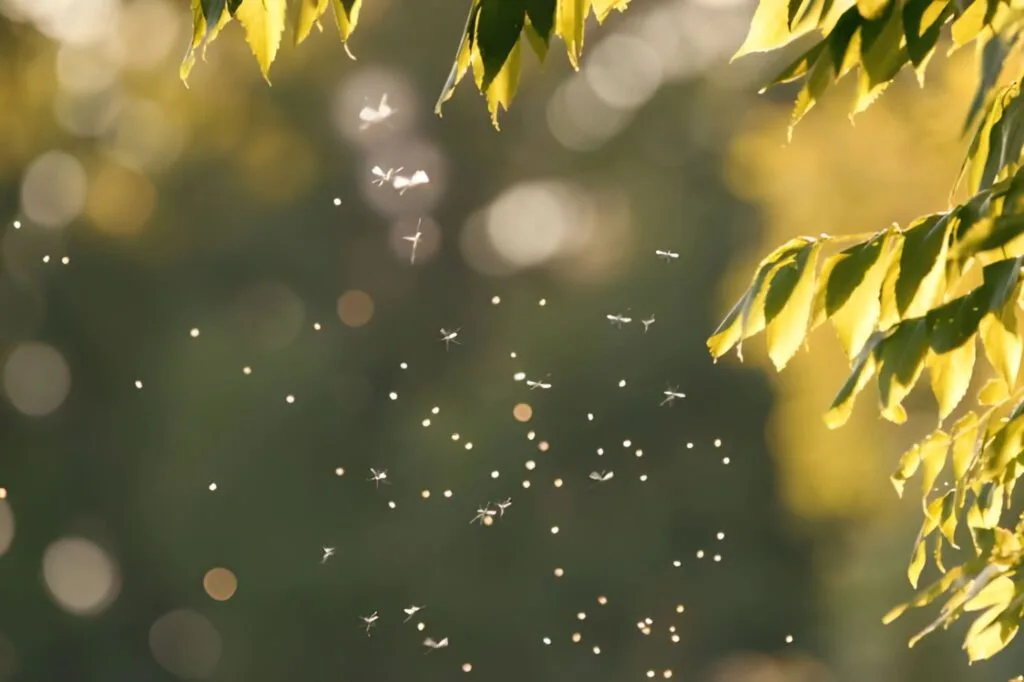
Fungus Gnats Are Common Pests. Tiny flies buzz around your plants. They look a little like small mosquitoes. These are likely fungus gnats. They are very common houseplant pests. The adult gnats do not hurt you. They do not bite people or pets. They are mostly a big nuisance. You see them fly when you water your plant. The larvae are the real danger. They live down in the plant’s soil. Larvae can hurt your plant’s roots. We will explore methods for eliminating gnats in plants. This guide shares many helpful ways.
Why You See Them Now
The Gnats Love Wet Soil. Tiny gnats are drawn to wet places. They thrive in damp potting soil. Too much water makes them very happy. The top layer of soil stays wet. This wet soil is a perfect spot. It is where adult gnats lay their eggs. They also like soil with decaying matter. Dead leaves are a tasty food for their young. Overwatering is the main cause. This creates their perfect home. We must change the soil conditions. This is the main way to stop them.
Understanding the Enemy: The Gnat Life Cycle
The Tiny Egg Stage
Life Begins in the Moist Soil. The adult female gnat is busy.A female may lay hundreds of eggs. Eggs hatch very quickly. It takes only four to six days. The eggs need wet soil to survive. This is why we must dry the soil. A dry soil surface kills the eggs. This stops the gnat problem early.
The Hungry Larvae Stage
Larvae Do the Real Plant Damage. Tiny larvae hatch from the eggs. They look like small, clear worms. They have a distinct black head. These larvae stay in the soil. They are the biggest problem for your plants. Larvae feed on different things. They eat fungi and decaying matter. They also eat the roots of your plants. Young seedlings are hurt very badly. Mature plants can also get weaker. A severe attack can kill the plant. This is the stage we must target. We want to stop the larvae entirely. This is how to get rid of plant gnats most effectively.
The Quiet Pupa Stage
The Larvae Change Into Pupae. The larvae eat and grow bigger. They spend about two weeks feeding. Then they are ready for the next stage. They spin a small cocoon. This happens right in the plant soil. This stage is called the pupa stage. The pupa does not move or feed. It is a time of big change. The insect is becoming an adult fly. This stage lasts about one week. It is a silent part of the life cycle. The pest is still hidden in the soil.
The Annoying Adult Stage
Adult Gnats Emerge from the Soil. The adult gnat leaves its cocoon. It digs its way out of the soil. It comes out as a flying pest. This is the gnat you see flying. Their main goal is to reproduce. They live for about seven to ten days. In this short time, they lay eggs. This starts a brand new cycle. New adults will keep coming out. This is a continuous problem. You will see many generations at once. You must fight all the stages. Sticky traps catch these adult flies. Catching adults helps break the cycle. It means fewer new eggs are laid.
The Core Problem: Why Gnats Love Your Soil
The Big Issue: Overwatering
Overwatering Makes the Soil Damp. Too much water is the main reason. It is the perfect invitation for gnats. When soil stays wet, gnats lay eggs. They like this moist, rich environment. The soil acts like a sponge. It holds water for many days. This is great for the gnat eggs. The larvae also have food and water. They can easily tunnel and feed. You must check the soil moisture. Always let the soil dry out. This simple change is crucial. It stops the gnat problem quickly.
Soil that Stays Too Wet
Poor Soil Drainage Traps Water. Some potting soils are too heavy. They have too much peat moss. Peat moss holds a lot of water. This makes drainage very poor. The soil stays wet for a long time. The gnats thrive in this mixture. Choose a fast-draining soil mix. You can add perlite or sand. This makes the soil much lighter. Water can run out more easily. Proper drainage is very important. Good air flow gets to the roots. This keeps the gnats from coming back. This practice helps your plant grow strong.
Organic Food Sources
Decaying Matter is Gnat Food. Fungus gnat larvae are not picky eaters. They eat dead leaves and fungi. They like all decaying material. This organic matter is their food. Leaves can fall onto the soil. They start to break down and rot. This feeds the gnat population. Old, soggy soil also has fungi. The fungi are another tasty meal. You must clean the plant’s surface. Remove any fallen leaves right away. Clean up any plant debris too. This removes their main food source. Less food means fewer gnats. This is part of the clean-up process.
The Best Defense: Prevention is Easy
Master the Watering Method
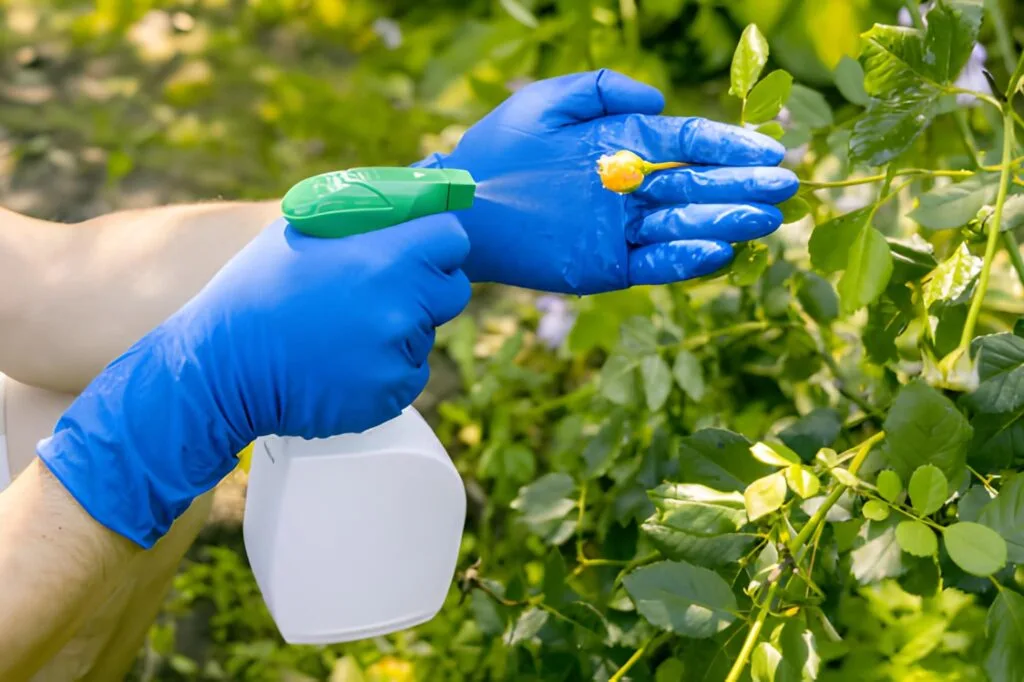
Water Less to Keep Gnats Away. You must change how you water. This is the single best defense method. Let the soil dry out a lot. The top one or two inches should feel dry. Use your finger to check the soil. If it feels wet, wait longer. This dry layer kills the gnat eggs. It also stops new adults from laying. Overwatering is the root cause. Fixing this issue is a great start. Water thoroughly when you do water. But then allow a long dry period. This small change makes a big difference. It is how to get rid of gnats in plants naturally.
Choose Better Pots and Soil
The Right Home for Healthy Plants. The type of pot matters greatly. Plastic pots hold more water. Terracotta pots are much better. Terracotta soaks up extra moisture. This helps the soil dry faster. Ensure your pot has drainage holes. Never let your plant sit in water. Use fresh, sterile potting mix. Old soil may already have eggs. Mix in some perlite for drainage. This helps the water escape quickly. A drier, lighter soil is best. It is less appealing to the gnats. You are building a safe home. This keeps your plants pest-free.
Keeping New Plants Safe
Always Check Plants When You Buy. Gnats often come home with a new plant. They may be hidden in the soil. Check new plants very carefully. Look for small flies or tiny worms. If you see any, do not buy it. It is best to be very cautious. Isolate all new plants at home. Keep them separate from old plants. Do this for a few weeks or so. This stops any spread of gnats. You can easily treat one plant. It is harder to treat an entire room. This isolation step is very smart. It protects your whole collection. This method is important for your home.
How to Get Rid of Gnats: A Step-by-Step Plan
Step One: Stop the Adults
Catching the Flying Adult Gnats. You must deal with the flying adults. They lay the new eggs constantly. Stopping them breaks the life cycle. Yellow sticky traps work very well. Gnats are drawn to the bright yellow. They land on the trap and get stuck. Place these traps right in the pot. You can also place them nearby. They catch many adult female gnats. Fewer females mean fewer new eggs. You can easily see your progress. The traps show you how many you catch. This is a very useful monitoring tool. This is a great way to see how to get rid of gnats on plants.
Step Two: Kill the Larvae in the Soil
Targeting the Harmful Baby Gnats. Larvae do the most damage to plants. You must use a soil treatment. This kills the gnats in the soil. There are several good natural options. Hydrogen peroxide is very effective. Mix one part $3\%$ peroxide. Add four parts water to the mix. Let the topsoil dry first. Then pour the mix into the soil. It will bubble and fizz quickly. This kills the larvae on contact. It then breaks down into oxygen and water. This makes it safe for the plant. Using this helps how to get rid of gnats in plant. This is a powerful, quick solution.
Step Three: Changing the Soil Environment
Creating a Dry, Bad Home for Gnats. The gnats need wet soil to live. You must make the soil unfriendly. A dry top layer is a strong barrier. You can add a top dressing of material. Coarse sand works very well here. Small gravel or pebbles also help. Put a thin half-inch layer on the soil. This layer dries out very fast. It blocks the female gnat. She cannot get to the moist soil below. She cannot lay her eggs on the soil. This prevents a new generation of gnats. This is a key part of prevention. It helps how to get rid of gnats from house plants.
Detailed Treatment Options
Natural and Simple Home Remedies
Simple Items Can Stop the Gnats. Many things in your kitchen can help. These are simple ways to fight the gnats. Diatomaceous Earth is a white powder. It is made from tiny fossil shards. Sprinkle a light layer on the soil. Its sharp edges hurt the small gnats. It kills the adults and the larvae. Use the food-grade kind always. Cinnamon is another natural helper. It is a known natural fungicide. It kills the fungi the larvae eat. Sprinkle a thick layer on the topsoil. This makes the soil less appealing. These natural options are often best. They are safe for your home and pets. This shows how to get rid of gnats indoors plants.
The Power of Beneficial Bacteria (Bti)
Using Nature’s Tiny Pest Killer. Bacillus thuringiensis israelensis is a bacteria. We call it Bti for short. It is a natural thing found in soil. Bti is sold as Mosquito Bits or Dunks. These are made for killing mosquitoes. They also work very well for gnats. Bti kills only fly larvae like gnats. It is safe for humans and pets. It does not hurt beneficial insects. You soak the bits in your water. Then you water the plants with it. The larvae eat the Bti and then they die. The bacteria stops the gnat’s life cycle. You must repeat this for many weeks. This ensures all new larvae are killed. This is a very targeted treatment. This method is great for severe cases.
The Apple Cider Vinegar Trap
A Sticky, Sweet Trap for Adults. You can build a simple trap at home. It catches the annoying adult flies. Gnats love the smell of vinegar. Apple cider vinegar works very well. Pour some vinegar into a small dish. Add a tiny drop of dish soap. The soap breaks the water’s surface tension. The gnats will fly to the sweet smell. They fall into the liquid easily. They cannot escape the soapy water. Cover the dish with plastic wrap. Poke a few small holes in the top. This lets the gnats crawl inside. This trap helps lower the adult numbers. Place this trap near the plants. This is a quick way to control the bugs how to get rid of gnats around house plants.
The Potato Slice Larvae Monitor
A Simple Trick to Check for Worms. Potato slices can help you a lot. They show you how bad the problem is. Gnat larvae love starchy things. They are very attracted to raw potato. Cut a potato into a small piece. Place the cut side down on the soil. Leave it there for a few hours. The larvae will crawl onto the potato. You can lift it up and look closely. If you see many tiny worms, the infestation is bad. Throw the potato slice away safely. You are also removing some larvae. Repeat this trick often. It is a simple way to track progress. It tells you if your treatment works.
Specific Plant Spotlight: The Snake Plant
Caring for the Snake Plant with Gnats. The snake plant is very popular. Its scientific name is Sansevieria. This plant is known to be very tough. However, it can still get gnats easily. Snake plants need little water. They are very prone to rot. Overwatering is the biggest mistake. Wet soil invites the fungus gnats. To help how to get rid of gnats in snake plant, water less. Wait until the soil is very dry. The entire pot should feel light. You can use the top dressing of sand. This keeps the soil dry and clean. The snake plant will be much happier. A dry snake plant is a gnat-free plant.
Advanced Strategy: Repotting
A Fresh Start for Serious Problems. Sometimes an infestation is too much. There are simply too many eggs and larvae. Chemical treatments might not work well. This is when repotting is necessary. You must get rid of all the old soil. The old soil is full of gnats. Gently remove the plant from its pot. Shake off all the old dirt from the roots. You can even rinse the roots gently. Use a $10\%$ bleach solution to clean the pot. A mild soap and water mix also works. Then use fresh, sterile potting soil. This completely removes the source of the problem. This is a big but very effective step. It is the best solution for tough cases.
Chemical Control as a Last Resort
When Other Methods Do Not Work. Most gnat problems do not need chemicals. Natural and cultural methods usually work. But for a very bad problem, you can use them. Look for an insecticide spray. It must be approved for indoor use. Look for active ingredients like pyrethrins. Always read the label carefully first. Follow all the directions exactly. These sprays kill adult gnats quickly. They provide fast temporary relief. Remember they do not kill the eggs or pupae. You must still use a soil treatment too. Chemicals are just one part of the fix. They should never be your only method. Use them with great caution indoors.
A Comprehensive Plan to Win the Fight
Creating a Multi-Step Attack
You Need to Fight All Life Stages. An effective plan has two main parts. You must kill the adults flying around. You must also kill the larvae in the soil. Sticky traps handle the flying adults. A Bti drench handles the soil larvae. A two-part attack works much better. It breaks the gnat life cycle. If you only kill adults, eggs still hatch. If you only kill larvae, adults still lay. Use both methods at the same time. This is the fastest way to succeed. Keep this two-part plan in your mind. This is a very powerful pest control method. It will stop the gnats in your home quickly.
The Importance of Consistency
Keep Up the Treatment for Weeks. The gnat life cycle takes about a month. Eggs and pupae are tough to kill. They are protected in the soil. You must keep treating for the full month. This kills all new generations that hatch. Do not stop when you see fewer flies. New gnats may still be emerging slowly. Treat the soil with Bti weekly. Keep the sticky traps up all the time. Soon you will see no more flies at all. Consistency is the secret to winning. This sustained effort really pays off. It finally ends the gnat infestation. This helps how to get rid of gnats in your house plants for good.
How Soil Barriers Work
Dry Barriers Stop the Egg Laying. Soil barriers are easy and safe. They are a simple layer on the topsoil. Coarse sand or fine gravel is perfect. This layer quickly gets very dry. The female gnat needs wet soil to lay. This dry barrier is not a good spot. She will fly away and lay no eggs. This prevents a new generation of gnats. Remember not to wet the barrier layer. Water your plant from the bottom instead. This keeps the barrier dry and working. It also gives your plant needed water. This simple trick is a great help. It stops the gnat mothers from reproducing.
The Role of Airflow and Humidity
Moving Air Dries the Soil Faster. Gnats love still, moist, humid air. They thrive in damp, wet conditions. Increasing airflow helps fight the gnats. A small fan can be very useful. Point the fan toward your plants. The moving air dries the topsoil fast. This makes the gnat’s home less nice. A drier home is a safer plant. Good air circulation also helps your plant. It lowers the risk of plant diseases. Consider using a dehumidifier. This is true if your room is very damp. Less humidity means fewer happy gnats. This simple change is a strong defense.
Why Bottom Watering Is Recommended
Giving Roots Water, Not the Topsoil. Bottom watering is an excellent method. You place the pot in a water saucer. The plant drinks water from the bottom up. The roots get all the water they need. The top layer of soil stays very dry. This is exactly what we want to achieve. The dry topsoil is gnat repellent. Gnats cannot lay eggs in dry soil. This method helps prevent overwatering. It is a great way to manage moisture. Try this method for all your houseplants. It makes the plants healthier overall. It is a simple but powerful change.
Cleaning Up Plant Debris
Remove All Dead Leaves Quickly. Decaying plant matter is food for larvae. Leaves can fall on the soil surface. They quickly begin to break down. This is a great food source for gnats. It also encourages fungus to grow. Gnats love to eat the tiny fungus. You must keep the soil surface clean. Remove all dead leaves right away. Clean up any spilled potting soil too. Do not leave water sitting in the saucers. A clean environment stops the gnats. Good hygiene is very important always. This small effort makes a big difference.
Focusing on Indoor Environments
The Unique Challenges Indoors
Indoor Pests Have No Natural Enemies. Dealing with pests indoors is different. Houseplants are in a contained space. There are no natural predators there. No birds or spiders will eat the gnats. The life cycle continues easily indoors. Fungus gnats can multiply very fast. The temperature stays warm and steady. This is perfect for their breeding. We have to be the plant’s protector. We must use targeted indoor methods. The focus is on soil control always. This is the only way to stop them. We need a detailed plan for the home.
Isolating the Problem Quickly
Move the Sick Plant Away from Others. If you see gnats, act fast. Only one plant might be infected. Gnats can quickly fly to other pots. The problem will spread throughout your home. Move the infested plant immediately. Put it in a different room or area. This stops the flying adults from spreading. This isolation is a critical first step. It protects all your healthy plants. Treat the isolated plant strongly. Use your two-part attack plan. After a few weeks, check for success. This swift action protects your collection. It helps how to get rid of gnats on my plants without spreading.
The Long-Term Gnat Prevention Plan
A Regular Routine Keeps Them Gone. Getting rid of gnats is one step. Keeping them away is the final goal. You need a regular plant care plan. Only water when the soil is truly dry. Check the topsoil before every watering. Keep your sticky traps in place. They monitor for any new gnats. Keep using Bti in your water sometimes. Do this once a month as a safeguard. Clean up all the plant debris often. Make sure your pots drain well every time. This consistent routine is very effective. It keeps the gnats from coming back. This is the ultimate goal for plant lovers.
Deep Dive into Natural Treatments
Using Garlic to Deter Larvae
The Strong Smell Keeps Gnats Away. Garlic is a very powerful natural deterrent. It contains a strong substance called allicin. This substance is toxic to gnat larvae. You can use garlic in a simple way. Peel a few cloves of fresh garlic. Cut them into two or three pieces. Stick the pieces right into the soil. Make sure they are near the surface. The allicin will seep into the soil. This harms the small gnat larvae. The strong smell may also bother adults. You can also make a garlic spray. Steep chopped garlic in water for a day. Strain the liquid and use it to water. This double action helps your plants.
Chamomile Tea as a Fungicide
A Gentle Brew to Kill the Fungi. Chamomile is a gentle flower. It makes a very calming tea. But it is also a fungicide. Fungicides kill the tiny fungi. These fungi are the larvae’s food. Less food means fewer happy gnats. Brew a strong cup of chamomile tea. Let the tea cool down completely. Use this cooled tea to water your plant. The tea will soak into the soil. It kills the fungi on the topsoil. This removes a key food source. This treatment is very safe for plants. It is a nice way to fight the pests. This works well with other methods.
Coffee Grounds: A Dual-Purpose Fix
Coffee Helps Plants and Fights Gnats. You can reuse your old coffee grounds. They are great for your houseplants. Coffee grounds are a mild fertilizer. They add nutrients to the soil. But they can also help fight gnats. Dry the used grounds very well first. This stops mold from growing on them. Spread a thin layer on the topsoil. This acts as a physical barrier. The gnats cannot lay eggs in it. The grounds can also have a strong smell. This smell can deter the adult gnats. This is a very green and useful trick. It helps your plant grow strong. It keeps the gnats far away too.
Using Matches for Sulphur
Sulphur on Match Heads Kills Gnats. The heads of wooden matches hold sulphur. Sulphur is a known natural element. It has properties that repel pests. It can help kill gnat larvae in soil. Take a few wooden matches carefully. Stick them head-down into the soil. Place them evenly around the plant. When you water, the sulphur seeps down. It enters the top layer of the soil. This harms the delicate gnat larvae. It also makes the soil smell bad. This keeps new adult gnats away too. Remove the old matches after one week. Replace them with some new matches. This is a very low-cost home remedy.
The Science of Biological Control
More Detail on Bacillus thuringiensis israelensis (Bti)
Bti Is a Bacteria that Attacks Flies. Bti is a very special bacteria. This includes the fungus gnat larvae. It is harmless to people and pets. It does not hurt fish or other animals. The larvae must eat the bacteria spores. The spores make a toxic crystal inside. This crystal destroys the gnat’s stomach. The larvae quickly stop eating then die. This is why Bti is so effective. It targets the damaging stage directly. The product is found as bits or dunks. You mix it with water to apply. This is a very science-backed solution.
Introducing Beneficial Nematodes
Tiny Worms that Hunt Gnat Larvae. Nematodes are tiny, microscopic worms. Not all nematodes are bad for plants. Beneficial nematodes are actually helpful. They are natural pest control agents. Steinernema feltiae is the best kind. This type attacks the gnat larvae. The nematode goes into the soil. It finds the gnat larvae and attacks. It enters the larvae and releases bacteria. The bacteria kills the gnat quickly. The nematode then reproduces inside it. This builds up the good nematode number. They give long-term gnat control. You buy them and mix them with water. Then you water your plant with this mix. This is a very living, natural solution.
The Comprehensive Approach to Getting Rid of Gnats
Combining Different Methods
Use a Strategy that Fights All Pests. The best solution uses many methods. You need to attack from all sides. Cultural changes are the foundation. These include proper watering habits. Physical traps handle the flying adults. Biologicals kill the larvae in the soil. Combining these methods is called IPM. IPM means Integrated Pest Management. This is the smartest way to fight bugs. Start with the easiest, safest methods. Move to stronger ones if needed later. A combined attack works faster. It also provides the best results. This ensures how to get rid of plant gnats in the house is successful.
Soil Solarization for Prevention
Using Sunlight to Clean the Potting Mix. Soil solarization cleans the potting soil. This method uses the power of the sun. It kills pests and diseases in the soil. If you use garden soil, this is smart. Moisten the soil slightly with water. Put it in a clear plastic bag securely. Make the soil pile thin and even. Place the bag in direct sunlight. Leave it there for about six weeks. The sun’s heat builds up inside. This heat kills any gnat eggs or larvae. It also kills unwanted fungi and seeds. This makes the soil clean and safe. Use this sterilized soil for repotting. This prevents gnats from the very start.
Why to Avoid Chemical Sprays
Sprays are Just a Quick, Temporary Fix. Chemical sprays are rarely the full answer. They only kill the adult gnats flying. They do not touch the eggs or larvae. The larvae are the real problem in the soil. New adults will keep emerging soon. The problem will quickly return again. Using harsh chemicals indoors is risky. The chemicals stay in the air and on surfaces. They can hurt your pets or your family. Always focus on the soil treatment. This is the place where the battle is won. Save the sprays for only the worst times. Use them only with great caution indoors.
The Full Solution for Houseplants
A Summary of Your Winning Plan. You now have a complete treatment plan. First, stop the overwatering right away. Let the topsoil dry out completely. Second, use yellow sticky traps. These traps catch the adult female gnats. Third, use a strong soil drench. Bti or hydrogen peroxide will kill larvae. Fourth, apply a soil top dressing. Sand or gravel blocks new egg laying. Repeat the soil drench weekly for a month. This ensures all new hatches are killed off. This multi-step process is the key. It provides a full, lasting solution. This plan solves how to get rid of gnats indoors plants.
Final Review of Your Plant Care
Taking Good Care Means No More Gnats. Gnat problems are a sign of wet soil. They tell you something is wrong there. You must change your plant care habits. Focus on the basics of good care first. Proper watering is most important. Good light and air flow are also vital. Healthy plants can fight pests better. Poor health makes plants a gnat target. Use good, clean potting mix always. Check new plants for pests carefully. These simple steps prevent future problems. They keep your houseplants looking great. You will not have to fight gnats again. This is the final secret for a healthy home.
Conclusion: A Pest-Free Home
Detailed Look at Hydrogen Peroxide Application
Mix the Solution Carefully for Safety. The hydrogen peroxide drench is strong. You must mix it the right way. Use $3\%$ hydrogen peroxide only. Always mix it with plain water. The common ratio is one to four. This means one cup of peroxide. Then you add four cups of water. This mix is safe for plant roots. It is gentle on the soil microbes. Pour the mixture slowly over the soil. The solution will fizz right away. This fizzing means it is working. It is killing the gnat larvae there. You must soak the entire top layer. Make sure it reaches all the larvae. Wait for the fizzing to completely stop. This takes about thirty seconds total. This is a very safe and effective drench.
The Science Behind Diatomaceous Earth
Tiny Fossils Cut the Soft Gnat Body. Diatomaceous Earth is a unique powder. It is made from fossilized algae remains. These tiny fossils are called diatoms. They are very sharp at a micro-level. When a gnat walks on the powder, it is harmed. The sharp edges cut the insect’s body. This causes the gnat to dry out quickly. This is how the gnats are killed. It works on both adults and the larvae. You must use the food-grade powder. Do not use the kind for pool filters. That kind is not safe to breathe. Apply it as a very thin, light layer. A thick layer can prevent air flow. This natural powder is a great defense.
Repotting Technique: Cleaning the Roots
Thoroughly Wash the Roots of the Plant. If you decide to repot a plant, be thorough. You must remove all the old soil. The old soil holds eggs and larvae. Gently shake the dirt from the roots first. You may need to wash the roots gently. Use lukewarm water from the faucet. Carefully spray the roots with the water. You want to see the roots completely clean. Be very gentle with the root system. Do not break the fine root hairs. These hairs are needed for water uptake. A clean root system is very important. This ensures no pests move to new soil. It is a critical step in the repotting process.
Repotting Technique: Sterilizing the Pot
New Soil Needs a Very Clean Container. Do not put a clean plant back in a dirty pot. The old pot may hold gnat eggs. It can also have disease spores inside. You must clean the pot very well first. Use hot, soapy water to wash it. Scrub all the inside surfaces well. A $10\%$ bleach solution works well too. Mix one part bleach to nine parts water. Soak the pot for ten minutes in the mix. Rinse the pot completely with clean water. Let the pot air dry completely. The pot is now sterilized and safe. This prevents any re-infestation. This small step is very important.
The Role of Perlite and Sand in Soil Mixes
Adding Ingredients for Better Drainage. A good soil mix is half the battle. Heavy soil holds too much water. You must amend the soil mix. Add perlite or coarse sand to the mix. Perlite is a small, white, porous rock. It looks a lot like popcorn pieces. It creates air pockets in the soil. This helps the water drain out fast. Sand is also good for drainage. It keeps the soil from clumping up. Aim for about one part additive. Mix it with three parts potting soil. This makes a lighter, faster-drying mix. This new mix is very bad for gnats. They want heavy, wet soil, not this one.
How Sticky Traps Target Egg-Laying Females
Catching the Mothers Stops New Babies. The flying adult gnats are annoying. But they do not harm the plants much. The female gnat is the real target. She is the one that lays the new eggs. Yellow sticky traps catch these females. They stop the next generation right now. If she is stuck, she cannot lay eggs. This reduces the gnat population fast. Place the traps very close to the soil. This is where the females rest and lay. The traps act as a simple lure. The bright yellow color attracts them. Change the traps when they are full. This is a crucial part of the fight.
Making and Using the Apple Cider Vinegar Trap
The Sweet Smell Lures the Adult Gnats. Making this trap is very easy to do. Get a small, shallow dish or cup. Pour some apple cider vinegar inside it. The strong, sweet smell attracts gnats. Add just one drop of dish soap. The soap removes the surface tension. The gnats will fall in and cannot fly out. They drown quickly in the liquid mix. Cover the dish with plastic wrap if you wish. Poke a few small holes in the top. This keeps pets or children safe. Place the trap near the worst plants. This helps capture the flying adults. It is a simple, budget-friendly solution. You can make many traps easily.
The Best Time to Apply Bti
Treat the Soil When Larvae Are Active. The Bti treatment only kills larvae. It does not kill the pupae or adults. You must apply it when larvae are hungry. The larvae need to eat the bacteria. It is best to treat the soil weekly. Do this for a total of four weeks. This covers the full life cycle. It kills new larvae as they hatch out. First, soak the bits in your water. Let them steep for thirty minutes. This releases the helpful bacteria. Then use this water to drench the soil. The bacteria must get to the root zone. This ensures maximum effectiveness always.
Managing Plants with Specific Needs (Like Succulents)
Succulents Need Very Different Watering. Some plants are extra prone to gnats. Succulents and cacti are in this group. They need soil that is very, very dry. They easily get root rot from water. The overwatering attracts the fungus gnats. To save them, you must stop watering fast. Wait until the soil is completely dry. Use a pot with huge drainage holes. Mix your soil with lots of sand and grit. You can use bottom watering always. This keeps the soil surface totally dry. These steps are a great gnat prevention. Your succulents will thrive on dry soil. This specific care stops all the pests.
Dealing with Seed Starting Mix
Seedlings Are Very Easy Gnat Targets. Starting seeds is a fun garden project. But seedlings are very weak plants. Gnat larvae love to eat their tiny roots. The seedlings often die from the damage. Seed starting mix stays very wet. This is ideal for gnat eggs. To prevent this, change your watering. Water your seedlings from the bottom only. Let the topsoil dry out completely. You can also use Bti water now. This kills any larvae before they can eat. A layer of fine sand on the top helps. It stops the female gnats from laying eggs. Protecting seedlings is very important work.
When to Re-Pot the Entire Collection
Sometimes a Mass Repotting Is Needed. If the gnat problem is everywhere, a mass repotting is needed. The infestation has gone too far then. All the soil in the house might have eggs. You must change every single pot’s soil. This is a lot of work to complete. But it is the fastest full solution. Buy a large amount of fresh soil. Sterilize all your pots carefully first. Repot every plant one by one slowly. Throw out all the old, infested soil safely. This total soil change eliminates gnats. It is a fresh start for your plants. This effort will bring great reward.
Identifying Severe Root Damage
Gnat Damage Can Look Like Overwatering. Severe gnat damage is easy to confuse. It can look just like overwatering trouble. The leaves will start to turn yellow. They may start to wilt or drop off. The plant’s growth will slow way down. The larvae are eating the plant roots. The plant cannot take up water well. This leads to the wilting and yellowing. To check, lift the plant from its pot. Look at the root ball very closely. If you see tiny worms, the damage is bad. You need to act very quickly now. Repotting may be the very best choice. A severe infestation kills the roots.
The Difference Between Gnats and Fruit Flies
They Look Alike, But They Are Different. Fungus gnats and fruit flies look similar. They are both tiny, flying, annoying pests. But they are attracted to different things. Fruit flies like ripe fruit and sweet drinks. They fly in circles near the kitchen counters. Fungus gnats like wet, decaying soil. They fly around your houseplants always. Their bodies also look a bit different. Gnats are dark and fly less quickly. Fruit flies are lighter and fly faster. A vinegar trap works for both pests. But to kill gnats, you need soil treatment. Knowing the pest is the first step.
Using Cinnamon as a Strong Barrier
Cinnamon Powder Stops Fungi Growth. Cinnamon is a very strong natural powder. It has amazing anti-fungal properties. The gnats eat fungi in the wet soil. Cinnamon stops this food from growing there. Sprinkle a very generous layer. Cover the entire topsoil surface well. The cinnamon will create a barrier. It makes the soil less appealing to gnats. You can use it before you water too. It helps keep the soil surface clean. It also gives your plant a nice smell. This is a very pleasant home remedy. It is safe and works well with other plans.
The Best Use for Neem Oil Spray
Neem Oil Helps the Leaves Too. While the drench is for the soil, the spray helps too. Neem oil spray can protect the leaves. It creates a thin, oily coating. This makes the leaf surface distasteful. Pests will not want to land or feed there. It can also deter the adult gnats. They might not land on the soil surface. Mix the oil with soap and water well. Spray the top and bottom of all leaves. Wipe down the leaves with a soft cloth. This removes dust and helps the oil work. Do this once every two weeks for a bit. It is a very good part of plant care.
The Role of Predators: Introducing Carnivorous Plants
Plants that Eat the Annoying Adult Gnats. Some plants actually eat insects. These are called carnivorous plants. They can help control the adult gnats. The Venus Flytrap is very well known. It snaps shut on the flying gnat. Sundews have sticky, dewy leaves. The gnats get stuck on the leaf surface. These plants need bright light to live. They also need very specific water. They must be watered with distilled water. This is because they hate tap water. If you like unique plants, try them. They are a fun and natural pest helper. They eat the adults flying around them.
The Value of Regular Monitoring
Always Check Plants to Catch Gnats Early. Regular checking is very important. It is key to preventing big problems later. Check your plants every single week. Look for tiny flies near the soil. Watch the soil surface very closely. Look for any tiny larvae there. Put up a sticky trap in each room. The traps will show you any new pests. If you catch one gnat, start treating now. Early action is easy and very fast. Waiting makes the problem much harder. A small problem is very simple to fix. A huge infestation takes much longer. Be a good plant detective always.
Watering: The Top-Down vs. Bottom-Up Debate
Both Ways Have Good and Bad Points. Most people water from the top down. This is the simplest way to water. But it keeps the topsoil wet too long. This is bad for fungus gnat prevention. Bottom watering is often better. It keeps the topsoil nice and dry. But a top drench is still needed sometimes. This washes away built-up salts in the soil. Try to do bottom watering mostly. Use a full top drench once a month. This flushes the soil clean well. The best method is always a balance. Water smart to fight the tiny gnats.
Ensuring Good Air Flow for Prevention
The Breeze Dries the Soil and Stops Gnats. Good air movement is a simple fix. Gnats like still, humid, damp air. You can make the air move for them. Place a small fan near the plants. Let it run for a few hours daily. The moving air dries the topsoil fast. This makes the gnat home less inviting. It also helps the plant breathe better. Avoid crowding your plants too close. Give them space to get good air flow. Good air flow is very helpful. It is a quick and easy solution. It helps keep your plants very healthy.
Using Sand or Gravel as a Permanent Barrier
A Simple Layer Stops the Gnat Mother. The sand or gravel barrier is very strong. It is a permanent fix for the topsoil. Use coarse sand or fine aquarium gravel. Place a one-inch layer on the soil. This layer dries out quickly. The female gnat cannot reach the moist soil. She cannot lay her eggs on this layer. It is the end of the breeding cycle then. Do not stir this layer into the soil. Keep it separate and very dry. Water from the bottom to keep it dry. This is a highly recommended tactic. It is a one-time fix that works well.
The Importance of Sterile Potting Mix
New Soil Must Not Bring New Problems. Always use a good, sterile potting mix. Cheap, old soil can have gnat eggs. It may also have other pests in it. Buy bags of soil from a reliable store. Store the soil in a sealed container. Do not leave it open in the garage. Gnats can fly into the open bag easily. If you make your own compost mix, be careful. You must sterilize it with heat first. Only clean soil should touch your plant. This stops a problem before it starts. It is a very smart preventative step.
Final Thoughts on Winning the Battle
Patience and Effort Will Defeat the Gnats. The fight against fungus gnats takes time. The full life cycle is about four weeks. You must be patient and very consistent. Do not give up after only one week. Keep applying the Bti and traps. Keep the soil much drier always. Soon you will see no more adult gnats. The problem will slowly disappear then. Your plants will recover their health. You will feel proud of your hard work. This whole experience makes you smarter. You are a better plant parent now.
Summary of the Best Natural Methods
Natural Ways Are Safe and Effective Too. Natural methods are always the best choice. They are safe for your family and pets. They do not harm the good soil life. Remember the best natural solutions here. The hydrogen peroxide soil drench is great. Diatomaceous Earth powder is very good. Beneficial nematodes are tiny hunters. Yellow sticky traps catch all the adults. And remember to water much less often. These natural tools will help you win. They make your home a safer place.
Final Check on Watering for Prevention
Watering is the Most Powerful Tool. I must say this again very clearly. Your watering habit is everything. It is the key to gnat prevention always. Overwatering is the root of the problem. Fungus gnats must have wet soil. A dry soil is a gnat-free soil. Let the topsoil dry out completely. Do this before every single watering. A dry layer one inch deep is best. This simple change is very powerful. It controls the gnats fully and simply. Master this skill and you will win.
A Quick Look at Chemical Larvicides
Some Chemicals Target the Larvae Only. While most sprays kill adults, some target larvae. Look for an insecticide larvicide product. These are applied as a soil drench usually. They must be safe for houseplants to use. The label must say it is for gnats. Always follow all the instructions well. Do not overuse these chemical drenches. They can harm the good microbes in soil. Bti is usually much safer to use. Chemical use should be a last resort. Use them only if all else has failed.
The Power of Isolation for Treatment
Isolate All Plants with Flying Gnats. The moment you see gnats, you must isolate. Move the plant to a different room or area. This prevents the adults from spreading eggs. The flying adults are looking for a new home. They want a new pot of wet soil. Isolation cuts off their travel path. This is a very simple, zero-cost step. It protects your entire collection of plants. Treat the isolated plant strongly then. Keep it separate until all gnats are gone. This is a key part of the total cure.
How to Monitor the Infestation Level
Potato Slices Show the Larvae Numbers. You can use the potato slice trick again. It helps you see the gnat population. Cut a slice one-half inch thick. Place it on the soil for two days. Lift it up and check the underside. If you see many larvae, the problem is bad. If you see very few, the treatment works. This is a simple monitoring technique. It gives you a real-time progress report. Use this to guide your next steps. It tells you when to stop treating.
Final Thoughts on the Long-Term War
The Fight Against Gnats Is Always Active. Getting rid of gnats is a process. It is a long-term gardening task. You must stay consistent with your care. Always monitor for new problems starting. The gnats will try to come back again. They often come in with new soil or plants. Be ready with your simple plan always. Proper care is the best prevention there is. You now have all the knowledge needed. You can keep your plants happy and healthy.
The Plant Parent’s Deep Knowledge Corner
Understanding Soil Moisture Wicking
How Water Moves Up in the Soil. Soil moisture moves by a process called wicking. Water in the soil moves up slowly. It moves from wet areas to dry areas. This is due to capillary action. When you bottom water, the soil wicks it up. The water is drawn up to the plant roots. The top layer of soil remains drier then. This is why bottom watering works so well. It is a simple science in your plant pot. This method defeats the gnats naturally. Understanding this helps you water better.
The Best Environment for Beneficial Nematodes
Nematodes Need Moist, Warm Soil to Work. Beneficial nematodes are living things. They need certain conditions to thrive. The soil should be warm and also moist. Do not let the soil dry out fully now. The Bti method needs dry soil. Nematodes work best in moist soil. You must choose one treatment method. Do not use both at the same time. The soil must be moist for the nematodes. This lets them move around easily. They can then hunt the gnat larvae well. The soil should not be too soggy. Always follow the specific product directions.
The Role of Plant Stress in Infestations
Weak Plants Cannot Fight Off Pests. A plant that is stressed is a gnat target. Poor plant health attracts more pests. Stress comes from many different things. Not enough light can stress the plant. Too much fertilizer also hurts it. Bad temperatures can be a big problem. A weak plant cannot defend itself well. The larvae will do more harm to it. Keep your plant in a good location. Give it the right amount of light. Only fertilize when it is growing fast. A healthy plant is very pest resistant. This is another key part of prevention.
The Simple Power of Covering Drainage Holes
Covering Holes Stops Gnats From Entering. Gnats can enter the pot from below. They can fly through the drainage holes easily. They can lay eggs in the wet soil bottom. You can stop this with a simple cover. Use a small piece of window screen. Place it over the drainage hole securely. This blocks the gnats from entering. Water can still easily drain right out. You can also use fine landscaping mesh. This barrier is a physical block. This is a very smart preventative step. It stops a hidden point of entry.
Understanding the Life Span of Bti
Bti Stays Effective for Only a Short Time. The Bti bacteria does not live forever. It is an active ingredient in the water. It stays in the soil for about one to two weeks. After that, it starts to break down quickly. This is why you must reapply it. You must drench the soil every week. You need to kill the newly hatched larvae. They hatch from eggs laid earlier. The weekly treatment is very important. It keeps the protection very high. Keep treating for a full four weeks. This covers the entire gnat life cycle.
The Benefits of Using Terracotta Pots
Terracotta Pots Help Soil Stay Drier. Terracotta is a type of clay pot. This clay is very porous and breathable. The pot walls draw moisture out quickly. They help the soil to dry out faster. This is great for gnat prevention always. Plastic pots hold the moisture inside. This is a very bad situation for gnats. Terracotta is a natural gnat deterrent. It also helps plant roots to breathe better. You may need to water more often though. The clay wicks away the water quickly. This is a good trade-off for no gnats.
FAQS
1. What is the fastest home remedy to kill fungus gnat larvae in the soil?
The fastest home method is a hydrogen peroxide drench. Mix one part 3% hydrogen peroxide with four parts water (a 1:4 ratio). Allow the topsoil to dry completely, then pour the mixture over the soil. The fizzing action quickly kills the larvae on contact.
2. How long does it take to completely get rid of fungus gnats from my houseplants?
You must treat for the entire gnat life cycle, which is about three to four weeks (28 days). Consistent application of a larvicide (like Bti or peroxide) is needed to kill new larvae as they continuously hatch from previously laid eggs. Do not stop treatment just because you stop seeing adult gnats.
3. Are yellow sticky traps enough to eliminate a gnat infestation?
No. Sticky traps are great for monitoring and catching the flying adult gnats (the egg-layers). However, they do not kill the damaging larvae (the tiny worms) in the soil that harm your plant’s roots. You must combine the sticky traps with a targeted soil treatment (like Bti or peroxide) to fully eliminate the problem.
4. Why do I keep getting gnats? Is overwatering the main cause?
Yes, overwatering is the primary cause. Fungus gnats require wet, moist soil to lay their eggs and for their larvae to thrive. The key prevention method is to break this cycle by allowing the top one to two inches of soil to dry out completely between waterings.
5. How do I use Bti (Bacillus thuringiensis israelensis) to control the gnats?
Bti is a natural bacteria that kills only the gnat larvae when they ingest it. You use Bti products (like Mosquito Bits) by soaking them in your watering can for at least 30 minutes, then watering your plants with that solution. This solution kills the larvae in the soil, effectively breaking the life cycle.
6. Does putting a layer of sand or gravel on the soil actually work?
Yes, a half-inch layer of coarse sand or fine gravel acts as a physical and environmental barrier. This layer dries out instantly, preventing the adult female gnats from reaching the moist soil below to lay their eggs. To maintain the barrier, water your plant from the bottom.
7. Can I use apple cider vinegar traps to get rid of the pests?
Apple cider vinegar traps are effective for luring and catching flying adult gnats, helping to reduce the overall population. However, they only treat the symptom (flying adults), not the source (larvae in the soil). Use this method alongside a proper soil treatment.
8. How do I safely get rid of gnats in a Snake Plant or other succulents?
The best method for plants like the Snake Plant (Sansevieria) is to drastically reduce watering and ensure the soil is fast-draining. These plants are prone to rot and only need water when the soil is completely dry, which is the natural defense against the gnats that rely on moisture.
9. Are natural supplements like cinnamon or coffee grounds effective against gnats?
Cinnamon is a natural anti-fungal agent that kills the fungi the larvae eat, helping to starve them. Dry coffee grounds can act as a mild barrier. These methods are helpful but work best as supplements to primary soil treatments like Bti or peroxide.
10. When should I repot my plant to get rid of a severe gnat problem?
Repotting is needed if the infestation is very severe, persistent, or if the larvae have caused significant root damage. When repotting, you must remove all of the old, infested soil from the roots, sterilize the pot, and use fresh, sterile potting mix to ensure all eggs and larvae are completely gone.