
Introducing the Marvel of Blooming Succulents
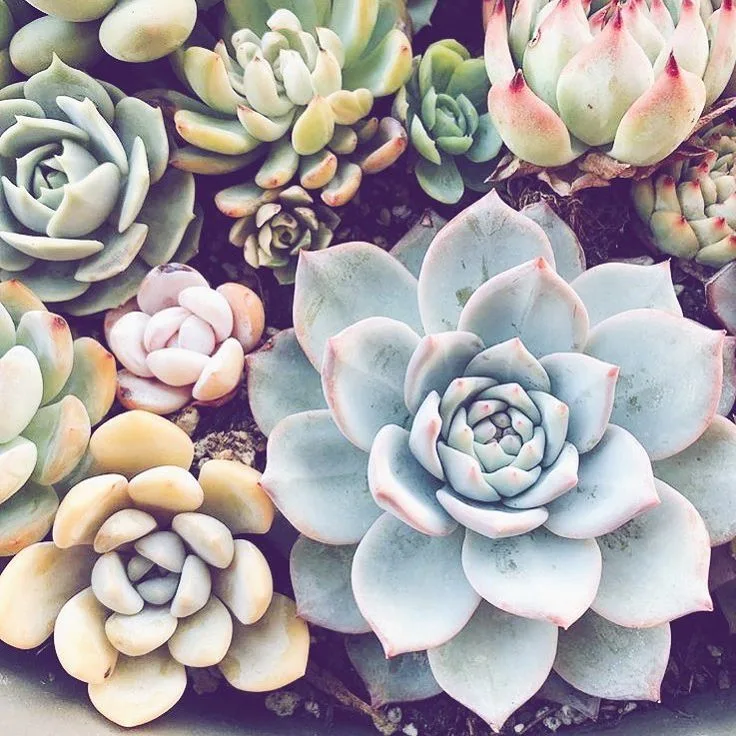
Many people think of succulent plants that bloom as only green or grey. They imagine tough, desert-like leaves and stems. They do not often think about bright, beautiful flowers. However, these sturdy plants hide a wonderful secret. When they are happy and healthy, they can produce some of the most striking flowers in the plant kingdom. This hidden talent is why so many gardeners love them. It is exciting to see a simple green plant suddenly explode with vibrant color.
Answering the Big Question About Blooms
The most common question people ask is, “do succulent plants bloom?” The simple answer is yes, they absolutely do. Almost all types of succulents have the ability to flower. The challenge is that their blooms can be quite rare. They might only happen after many years of perfect care. Sometimes they only flower once in the plant’s whole life. Seeing the bloom means you have done a great job taking care of your plant. This makes the flowering event feel like a very special gift.
Understanding the Succulent Bloom Cycle
The Basics of Succulent Flowering
The process of flowering in these plants is very interesting. It often begins with a tall stalk. This stalk is called a flower spike. It grows from the center or the side of the plant. This structure will hold the buds that turn into flowers. The bloom shows the plant has stored enough energy. It has saved up resources for this important reproductive task. The succulent is ready to make seeds and new baby plants.
What to Do With the Flower Spike
When you see the stalk appear, you might ask, “what to do with succulent plant bloom spike?” This is a great question for new succulent owners. The best thing to do is to simply enjoy it for now. Let the flowers open, and watch them change over time. Once the flowers are completely finished, the stalk will turn brown. At that point, you can cut the spike off near the base of the plant. Use clean scissors or a sharp knife to make a clean cut.
The Myth of Succulent Death After Bloom
A common worry for gardeners is the idea that the plant will die after flowering. They ask, “do a succulents plant die after they bloom?” This happens only with a certain group of plants called monocarpic succulents. The word monocarpic means “one fruit.” This means they put all their energy into the single big bloom. After they flower and make seeds, the main plant dies. But most succulents are polycarpic, meaning they bloom many times. Echeveria and Sedum types will usually not die after their flower show.
Popular Blooming Succulent Varieties
The Joy of Succulent Blooming Plants
Many different species are classified as succulent blooming plants. Each one has a unique flower shape and color. Some flowers are small and star-shaped. Others are large, bright, and showy. Learning the names of these plants makes gardening more fun. It helps you find the perfect flowering succulent for your home. You can start a collection based on the blooms themselves.
Recognizing the Zebra Plant Succulent Bloom
One easy-to-grow plant is the Zebra Plant. Its leaves have white stripes that look like a zebra’s coat. The zebra plant succulent bloom is usually a simple flower. It grows on a thin stalk. The flowers are yellow and tube-shaped. They might look small next to the bold leaves. Still, they are a welcome sight and a sign of good care. This plant is a favorite among indoor gardeners.
Looking at the Pickle Plant Succulent Bloom
The pickle plant succulent bloom is another interesting one. This plant has long, finger-like leaves that look a bit warty. These leaves give the plant its funny name. The flowers are small and yellow or pale orange. They grow right out of the tips of the leaves. It is a cute and cheerful sight when the flowers open up. This plant is also very easy to care for indoors.
Identifying the Saucer Plant Succulent Bloom
The saucer plant succulent bloom belongs to the Aeonium family. These plants often look like little green rosettes. The rosette shape is like a saucer. Their flowers are often yellow and grow on a tall, pyramid-shaped spike. The Aeonium is often one of the monocarpic plants mentioned before. This means the rosette that blooms will die. But it usually produces many babies, or offsets, before it flowers.
The Wonderful Ice Plant Succulents Bloom
Ice plant succulents bloom in many different colors. These plants are often used as ground cover outdoors. They are very tough and handle cold well. The flowers are bright and daisy-like. They come in shades of pink, purple, red, and yellow. They can cover a whole garden in color. The ‘ice’ part of their name comes from the tiny, clear bumps on the leaves. These bumps sparkle like ice crystals in the sun.
A Closer Look at the Dyckia Naked Lady Bloom
Some succulents are truly dramatic when they flower. The dyckia naked lady succulent plant photos of bloom show a very striking flower. The Dyckia plant is related to pineapples and is tough. It has spiky, stiff leaves. The flower is on a tall stalk. It has brightly colored petals that are yellow or orange. The tall, bare stem gives it the name “Naked Lady.” It is a stunning sight in a garden.
The Heart Succulent Blooming Plant
The heart succulent blooming plant is one of the most romantic kinds. It is also known as the Hoya Kerrii. It is often sold as a single, heart-shaped leaf for holidays like Valentine’s Day. The plant itself is a vining succulent. It makes clusters of waxy, star-shaped flowers. The flowers are tiny but very detailed. They often have a lovely scent, especially at night. It is a slow grower but worth the wait.
The Showy Large Base Succulent
Some flowers have a very strong structure. We see this with the flowering succulent plant that blooms with large base. This often refers to certain Agave or Aloe plants. Their flower stalks are very thick and strong. The base of the spike where it joins the plant is very wide. This strong stalk supports hundreds of flowers. It is a big structure that shows a lot of power. This is the plant’s big effort to reproduce.
The Succulent Stick Plant with Bird-Like Flowers
Another fun example is the succulent stick plant blooms bird like flowers. This refers to a type of Euphorbia. It has skinny, stick-like stems instead of wide leaves. The flowers are a bright orange-red. They are small and shaped a bit like a little bird in flight. It is a fascinating plant because the flowers are so different from its stems. They provide a surprising splash of color.
Bringing Blooms Indoors: Succulent House Plants
The Appeal of Blooming Succulent House Plants
Not all succulents are kept outside in the sun. Many people enjoy keeping them in their homes as blooming succulent house plants. They are perfect for windowsills and desks. They are low-maintenance, which means they are easy to care for. When they bloom inside, it is a sign that the indoor conditions are just right. It adds a special touch of nature and color to any room. This is a goal for many indoor gardeners.
Finding Succulents with Tiny Purple Blooms
Sometimes the flowers are small, but many. One interesting type is the group of house plants succulent tiny purple blooms. These small, colorful clusters can be very beautiful. The tiny flowers can look like little jewels sitting on the plant. The Kalanchoe and some Crassula types are known for this. They bring a delicate kind of beauty indoors. They add a soft, elegant color to a sunny spot.
The Best Environment for Indoor Succulents
To get a bloom indoors, you need to mimic the desert. This means giving the plant lots of light. A south-facing window is usually the best spot for them. They also need a period of cooler temperatures in the winter. This rest time is very important. It helps the plant save up energy for the big spring flower show. Giving them a break can trigger the next bloom cycle.
Encouraging Succulent Blooming Plants
If you want to see your succulent blooming plants flower, follow a few simple steps. The biggest key is bright light. More light means more energy for the plant. Another factor is the right amount of water. You should let the soil dry out completely between waterings. This is the secret to a happy, healthy succulent. Do not overwater them, as this will lead to root rot.
The Essential Care for Blooming Succulents
Providing the Right Conditions for Success
Taking care of these plants is simple but specific. They need conditions like those in their native homes. Succulents are from dry places, so they do not like wet feet. They need special soil that drains water quickly. A mix made for cacti and succulents works perfectly. This kind of soil prevents the roots from sitting in water. This care helps lead to healthy succulent plants blooming.
Understanding Watering and Algae Bloom
One problem that can happen is an overgrowth of green stuff in the soil. This is called algae. We must be careful when watering succulent plants with algae bloom. Algae often grows when the soil stays too wet for too long. If you see this, it is a sign you are watering too often. Let the soil dry out more. You can also scrape the algae layer off the top. A little layer of small gravel on top of the soil helps prevent it.
The Beauty of Succulent Plants Blooming
The moment you see the first bud form is very exciting. It is proof that you have provided great care. Succulent plants blooming is a joyful sight for any gardener. The colors and shapes are often a surprise. The flowers can last for days or even weeks. It adds a whole new dimension to your plant collection. It shows that even the toughest plants have a soft, beautiful side.
Dealing with Blooming Succulent Plant Flowers
Once the flowers have appeared, you can simply enjoy them. The blooming succulent plant flowers do not need much from you. They are doing their job, which is to look pretty. You should continue your normal care routine. Do not water them any more than usual. The plant is focused on its beautiful display. Let nature take its course for a while.
Watching the Succulent Plant Blooming Flowers
When a plant shows succulent plant blooming flowers, it is an event. Some flowers open in the morning and close at night. Others stay open for days on end. It is fun to watch the flowers change. Some even change color as they age. This makes the blooming process a truly dynamic thing. It is a slow, quiet show happening right on your windowsill.
A Rainbow of Succulent Colors and Seasons
Enjoying Summer Blooming Succulent Plants
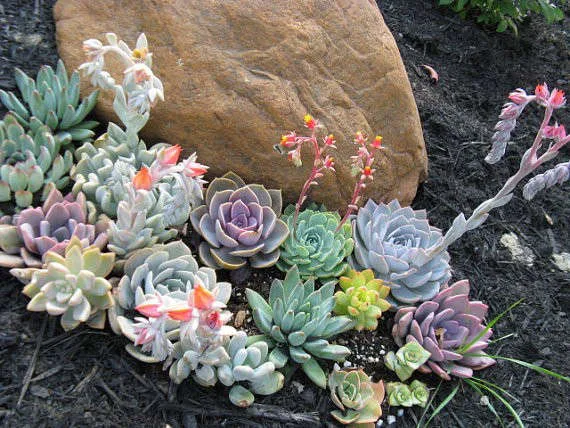
Not all succulents bloom at the same time. Some wait for the heat and long days. These are the summer blooming succulent plants. They love the long, bright sunny days of July and August. These plants use the strong summer light to create energy. This energy fuels their stunning flower display. Knowing when your plant likes to bloom helps you prepare for the show.
Finding Yellow and Orange Blooms
The color of the flower is often a clue about the plant’s family. Some people want a specific color to match their décor. They look for a list of succulent plants with yellow and orange blooms. These colors are very cheerful and bright. Many Aloes, Crassulas, and some Echeverias have flowers in these warm tones. They look like tiny sunsets in your garden.
Seeing the Succulent Plants Ink Bloom Cluster
The word “ink” in succulent plants ink bloom cluster may be a misspelling of “pink.” However, some blooms are such a deep purple they look like ink. Regardless of the intended color, the word “cluster” is key. Many succulents produce flowers in tight, thick bunches. This makes for a very impressive, rich display of color. These dense clusters are a wonderful contrast to the simple leaves.
The Overall Display of Succulent Blooms
Whether they are single or in groups, the flowers are beautiful. The sight of blooming succulent plants flowers is always a treat. It is the reward for all your patient care. The flowers attract small insects and hummingbirds outside. Inside, they just attract our attention. They are a sign of health and happiness in the plant world.
A General Call to Bloom Succulent Plants
The goal of every succulent owner is to get them to flower. We want to bloom succulent plants and see their full potential. This involves a lot of patience and good observation skills. Checking the plant often helps you see the tiny changes. When you see a new spike forming, you know you have succeeded. It is a very satisfying moment for any gardener.
Unique and Surprising Succulent Flowers
The General Beauty of a Blooming Succulent Plant
A single blooming succulent plant can be a great conversation starter. It is proof that these desert dwellers are full of surprises. They store water in their leaves and stems to survive dry times. But they also store energy for this one beautiful act. The flower is the grand finale to a whole season of careful growth. It shows the plant is thriving, not just surviving.
The Wonder of Night Blooming Succulent Plant
Not all flowers open during the day. Some are called the night blooming succulent plant types. They save their show for the cool, dark evening hours. These flowers are often white or pale yellow. They release a strong, sweet scent to attract night-time insects. Epiphyllum or Queen of the Night is one famous example. It is a magical experience to watch a flower open at midnight.
Finding Succulent Plant Blooms
The simple presence of succulent plant blooms changes the look of the plant entirely. The flower might be a different color from the leaves. It might be very tall or close to the ground. Every bloom is unique to its species. These flowers remind us that every plant has a purpose. Their purpose is to reproduce and create new life.
Succulent Plant with Blooms That Stink
Some succulents have a very interesting way to attract bugs. They produce a succulent plant with blooms that stink. This is usually done to attract flies, not bees. The smell is often like rotting meat or sewage. The flies think it is a dead animal and come to lay eggs. This helps the plant spread its pollen. Stapelia and Carralluma are well-known stinky bloomers. It is best to keep these plants outside while they flower.
Deep Dive into Succulent Health and Growth
Why We Care So Much About Succulent Flowers
The reason we love seeing a flower is simple. It shows us the plant is happy. We know that we have given it the best care possible. The flowers are the highest sign of plant health. They are much more than just a pretty decoration. They tell a story of careful gardening and patience. We wait for them because they are special and rare.
The Role of Dormancy in Flower Production
Most succulents need a rest period to bloom. This is called dormancy. During the cool winter months, they slow down their growth. They need less water and no fertilizer. This quiet time is essential for energy storage. It allows the plant to get ready for the big flower show in the spring or summer. If they do not get a rest, they may never bloom.
Providing the Right Soil and Nutrients
The best soil for these plants is porous and sandy. It must have very good drainage. You can add grit, perlite, or coarse sand to potting mix. This makes the soil light and airy. They do not need a lot of fertilizer. A little bit of weak, balanced food in the spring can help. Too much food can make the plant grow tall and weak. This might prevent a healthy bloom.
Managing Pests on Succulent Plants
Pests can hurt the plant and stop it from flowering. Mealybugs and scale are common enemies. They suck the sap out of the leaves and stems. They hide in the cracks and crevices of the plant. You should check your plants often. If you find pests, wipe them off with a cotton swab dipped in rubbing alcohol. Keeping the plant clean is key to its health.
The Importance of Good Air Flow
Good air movement is very important for all indoor plants. Stuffy, still air can cause problems. It can lead to fungal diseases and mold. Make sure your succulents are not crowded together. Having a gentle fan running nearby can help. Good air flow keeps the leaves dry. This helps prevent many common succulent problems.
Protecting Plants from Overwatering
Overwatering is the number one cause of death for succulents. Too much water causes the roots to rot. A rotten root cannot feed the plant. This will stop any chance of the plant flowering. Always check the soil deep down before you water. Wait until the soil is completely dry before watering again. When you water, soak the soil well. Then let it drain completely.
Succulent Care in Different Seasons
Succulents need different care as the year changes. In the spring, they start growing again. This is the time to start watering and feeding them. In the summer, they grow the fastest. They need the most water during this time. In the fall, they slow down again. In the winter, they rest and need very little water. Adjusting your care by the season is very important.
Repotting for Optimal Health and Bloom
Succulents do not need to be repotted often. They like to be a little bit root-bound. This means their roots are snug in the pot. However, after a few years, the soil loses its nutrients. You should repot your plant every two or three years. Choose a pot that is only slightly larger than the old one. This fresh soil will give the plant new energy.
Giving Succulents Enough Light to Thrive
Light is the food for a plant. Succulents need six hours of bright light every day. They will not flower without enough light. If you keep them indoors, they need to be right in the sunniest window. If the light is not strong enough, the plant will stretch out. This is called etiolation. A stretched-out plant is weak and will not bloom.
How Cold Temperatures Affect Flowering
Many succulents need a period of cold to set their flowers. This is called a chilling period. The temperature should drop to around $40$ to $55$ degrees Fahrenheit. This should happen for a few weeks in the winter. This temperature change tells the plant that winter is over. It signals that it is time to start making buds for the spring.
Fertilizing Lightly for Flower Spikes
While succulents do not need much food, a little boost can help. Use a fertilizer that is low in nitrogen. Nitrogen encourages green leafy growth. We want to encourage flowers. A phosphorus-heavy fertilizer is better for blooms. Apply it once in the spring when you see new growth. Do not feed them during the winter.
The Right Potting Material for Blooms
The pot you choose matters a lot. Terracotta or clay pots are often the best choice. These pots are porous. This means they let water evaporate through the sides. This helps the soil dry out faster. Plastic or glazed pots hold water longer. This can increase the risk of root rot. Good drainage is key to a happy, blooming succulent.
Pruning and Tidying Up the Plant
Succulents do not need a lot of pruning. But you should remove dead or yellow leaves. This helps the plant focus its energy on new growth. It also removes places where pests like to hide. A clean plant is a healthy plant. Use clean shears to snip off any dead parts near the base.
Understanding the Plant’s Natural Habitat
To care for your plant, it helps to know where it comes from. Most succulents come from deserts or dry, rocky areas. They are used to intense sun, low water, and fast-draining soil. We must try to copy these tough conditions in our homes or gardens. This is the best way to get a natural, beautiful bloom.
The Benefit of Outdoor Time for Succulents
If you live in a warm climate, move your succulents outside for the summer. The natural sunlight is much stronger than indoor light. This extra light gives the plant a huge energy boost. Remember to slowly move them into the sun. Too much sun too fast can burn their leaves. A little time outside can trigger a bloom later on.
The Role of Patience in Succulent Gardening
Patience is the most important tool for a succulent owner. These plants grow slowly. Their blooms are often a surprise that takes years to arrive. Do not get discouraged if your plant does not flower right away. Keep up the good care, and the reward will come. The anticipation makes the final flower show even better.
Different Flower Shapes and Their Meanings
Succulent flowers come in many shapes. Some are bell-shaped, like those on Echeveria. Others are star-shaped, like Haworthia. The shape is designed to attract a specific pollinator. Bell shapes are often for hummingbirds. Flat, open shapes are for bees and butterflies. This shows a link between the plant and nature.
How Age Affects the Chance of Flowering
A very young succulent is usually not ready to bloom. They need time to mature and build up energy. Most succulents need to be a few years old before they can flower. Give your young plants time to grow large and strong. A healthy, mature plant is much more likely to produce a beautiful flower spike.
The Connection Between Health and Flower Color
The color of a healthy flower is usually very bright and rich. A dull or faded flower might be a sign of a problem. It could mean the plant is not getting enough light. Or it might mean it is running low on nutrients. Always check the whole plant if the bloom looks pale. Health shows in the vibrancy of the flower.
Dealing with Spent Flower Heads
Once the flowers have finished their show, they become “spent.” They turn brown and dry out. Removing these old flower heads is called deadheading. Deadheading can encourage the plant to produce more flowers. It also keeps the plant looking neat and tidy. Use clean tools and cut the dead flower stem close to the plant.
The Joy of Collecting Blooming Varieties
Once you see one bloom, you will want more. Collecting different kinds of blooming succulent plants is a fun hobby. You can find plants that bloom in different colors and seasons. You can have a whole year of flower surprises. This makes your collection an ever-changing show of beauty. It adds a special excitement to gardening.
Advanced Succulent Care and Bloom Secrets

Understanding Light Duration and Intensity
It is not just about how bright the light is. The number of hours of light is also very important. Succulents need long days to start flowering. This is why many bloom in the spring and summer. The intensity of the light is also key. A bright window is good. Direct morning sun is great. The more light, the more likely you are to see a flower spike.
The Secret of Cold Stress for Agave
Some large succulents, like Agave, need a lot of stress to bloom. This stress can be from very cold temperatures. They might need a very dry, cold winter to trigger a flower. This is the plant’s way of saying, “I must reproduce now!” These plants are often monocarpic. Their spectacular flower is the grand finale of their life.
Using Grow Lights for Indoor Blooms
If you do not have a sunny window, you can use a grow light. Grow lights help you control the light for your plant. They can provide the strong, long-lasting light that a succulent needs to bloom. Look for full-spectrum LED lights. These lights are very energy-efficient. They can make a big difference in the winter months.
The Importance of Good Drainage Holes
Every pot should have at least one hole in the bottom. This is called a drainage hole. Water must be able to escape easily. If water sits at the bottom, the roots will rot. Always check the pot before you buy it. If there is no hole, you can drill one. Or, you can choose a different pot for your plant.
The Benefits of Using a Humidifier
While succulents like dry soil, they can still enjoy a little humidity. Too much dry air, especially in winter, can harm them. Running a small humidifier near your plants can help. Do not place it too close, though. The leaves should not get wet. A little moisture in the air is often enough to keep them happy.
Recognizing the Signs of Underwatering
It is easy to overwater, but underwatering can also cause problems. A plant that is too dry will stop growing. Its leaves will look wrinkled and flat. It will not have the energy to bloom. If you see these signs, give the plant a good, deep soak. The leaves should plump up again within a few days.
The Magic of Natural Pollination
If your blooming plant is outside, insects will pollinate it. This means they carry pollen from one flower to another. This leads to the making of seeds. You can collect these seeds to grow new plants. If your plant is indoors, you can try to pollinate it yourself. Use a tiny paintbrush to move the pollen.
The Sweet Smell of Some Succulent Flowers
Not all blooms are stinky. Many have a lovely, sweet smell. Hoya and some types of Aloe have very pleasant scents. The sweet smell is meant to attract moths or other gentle insects. Pay attention when your plant flowers. You might be surprised by a lovely perfume in your home.
Propagating from the Flower Spike
In some cases, the flower spike itself can make new plants. After the flowers fade, tiny baby plants might form on the stalk. You can cut off the spike and lay it on top of soil. The babies will grow roots and become new plants. This is a very neat way to make more of your favorite succulent.
Dealing with Overgrowth and Crowding
When succulents get too big, they can become crowded. The leaves block the light from getting to the center. This can stop the plant from blooming. It is a good idea to remove the small offsets or babies. This gives the main plant more room to breathe. It helps to keep the plant healthy and ready to flower.
The Unique Look of Monocarpic Rosettes
Monocarpic rosettes are very beautiful before they bloom. Their leaves are often perfectly formed. When they finally bloom, it is a huge show. The flower spike is often massive. It is a spectacular way for the plant to end its life. Remember to save the offsets before the main plant dies.
The Best Time to Apply Pesticides
If you have a pest problem, do not spray when the plant is flowering. The chemicals can harm the delicate flowers. They can also hurt the good bugs that visit the flowers. The best time to apply any pest treatment is before or after the bloom. Keep the plant healthy so it does not need chemicals.
The Role of Different Colors in Pollination
Flower colors are like signs for bugs and birds. Red flowers attract hummingbirds. Yellow and blue flowers attract bees. White flowers attract moths at night. The plant chooses its color to get the right help. This is a clever and colorful survival plan.
Understanding Succulent Flower Longevity
How long a flower lasts depends on the type of plant. Some flowers only last for one day. Others can stay open for several weeks. Enjoy them while they last. Some plants will send up new spikes after the first one is cut. This gives you an even longer flower show.
Creating a Colorful Display with Blooms
You can plan your succulent garden to have color all year. Choose plants that bloom in different seasons. Plant a mix of spring, summer, and winter bloomers. This way, there is always something interesting to look at. A mix of colors and textures is always the most beautiful.
The Importance of the Right Pot Size
Do not put a small succulent in a very big pot. The extra soil will hold too much water. This will lead to root rot very quickly. Choose a pot that is only one inch or so wider than the plant itself. A snug fit is best for these tough plants.
Preventing Sunburn on Succulent Leaves
Even though they love sun, they can still get burned. If you move a plant from inside to outside, do it slowly. Let it sit in the shade for a few days first. Then, move it to a spot with morning sun. Gradually move it into full sun over a week or two. This prevents the leaves from getting brown spots.
Watching for New Succulent Offsets
Many succulents create new baby plants called offsets. These grow from the base of the mother plant. These babies will become new blooming succulent plants someday. You can gently pull them off and plant them in their own pots. This is an easy way to grow your collection for free.
The General Health of the Succulent Plant
A healthy plant is a blooming plant. If your succulent is not flowering, look at its overall health. Are the leaves plump? Is the color bright? Is it growing? If the plant is struggling, it will use all its energy to survive. It will not have any left over for a flower. Focus on good, basic care first.
The Magic of Seeing a Plant Reproduce
Seeing a plant bloom is watching nature’s magic at work. It is the plant’s way of making the next generation. It is a cycle of life that is very important. To be a part of this process, even in a small way, is a privilege. It is a great reason to love gardening.
Final Thoughts on Blooming Succulent Plants
The world of succulents is full of surprises. They are tough, beautiful, and sometimes very colorful. With the right care and a lot of patience, you will see a stunning bloom. Enjoy every part of the journey. Every flower is a victory for the plant and for the gardener.